


NASA updates launch window to send Artemis I toward the moon
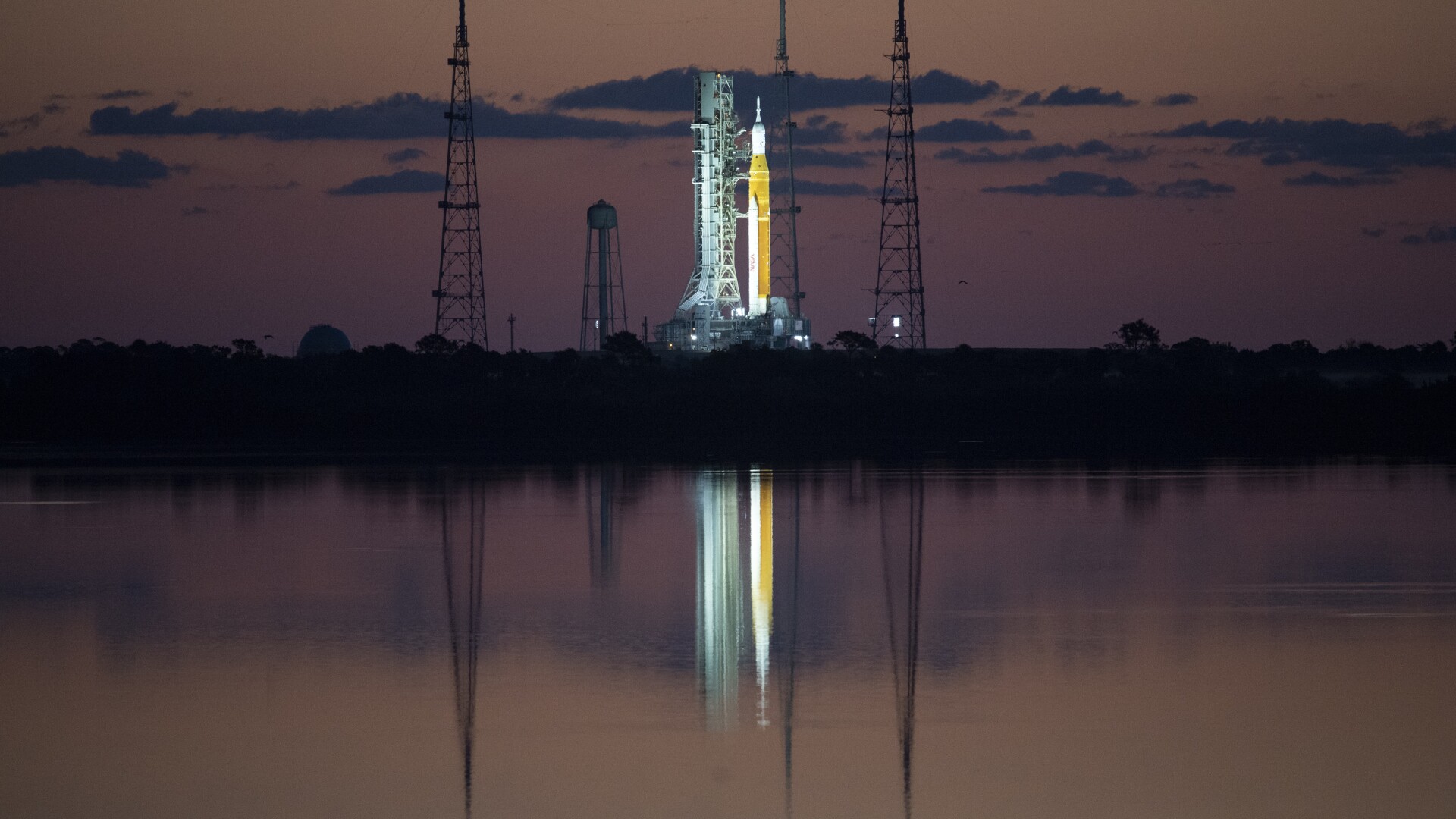
As scientists fix a hydrogen leak, NASA is moving forward with a possible launch date later this month for Artemis I.
NASA will try again to fire Artemis I into space on September 27. That launch window starts at 11:37 a.m. ET and lasts 70 minutes. As a backup window, NASA is reviewing using Oct. 2. It previously had September 23 open as a possible launch window.
NASA scrubbed its September 3 launch window due to a hydrogen leak. Crews installed new seals to prevent the liquid hydrogen from leaking. They will test the new seals no earlier than September 21.
Engine problems forced Artemis I to miss its first launch window in late August.
Artemis I is the first of several missions as part of the Artemis program, which NASA hopes will prepare humanity to go farther than the moon.
The next Artemis mission isn’t scheduled until 2024. While Artemis I will be unmanned, Artemis II will send four astronauts on a flyby of the moon. Artemis III is expected to include a crewed mission to the moon’s surface.
“This week, teams will conduct tests at ambient conditions to ensure there is a tight bond between the two plates before testing again during the cryogenic tanking demonstration, and begin preparations for the test,” NASA said. “During the demonstration, launch controllers will load supercold liquid oxygen and liquid hydrogen into the core stage and interim cryogenic propulsion stage of the SLS rocket.”
.Page-below > .RichTextModule {display:none;} .Page-below .Link {font-size: 12px; padding: 5px 10px;border: 1px solid #005687;border-radius: 4px;font-family: “proxima-nova”, sans-serif; }
