


Treasury secretary says she was wrong about path of inflation
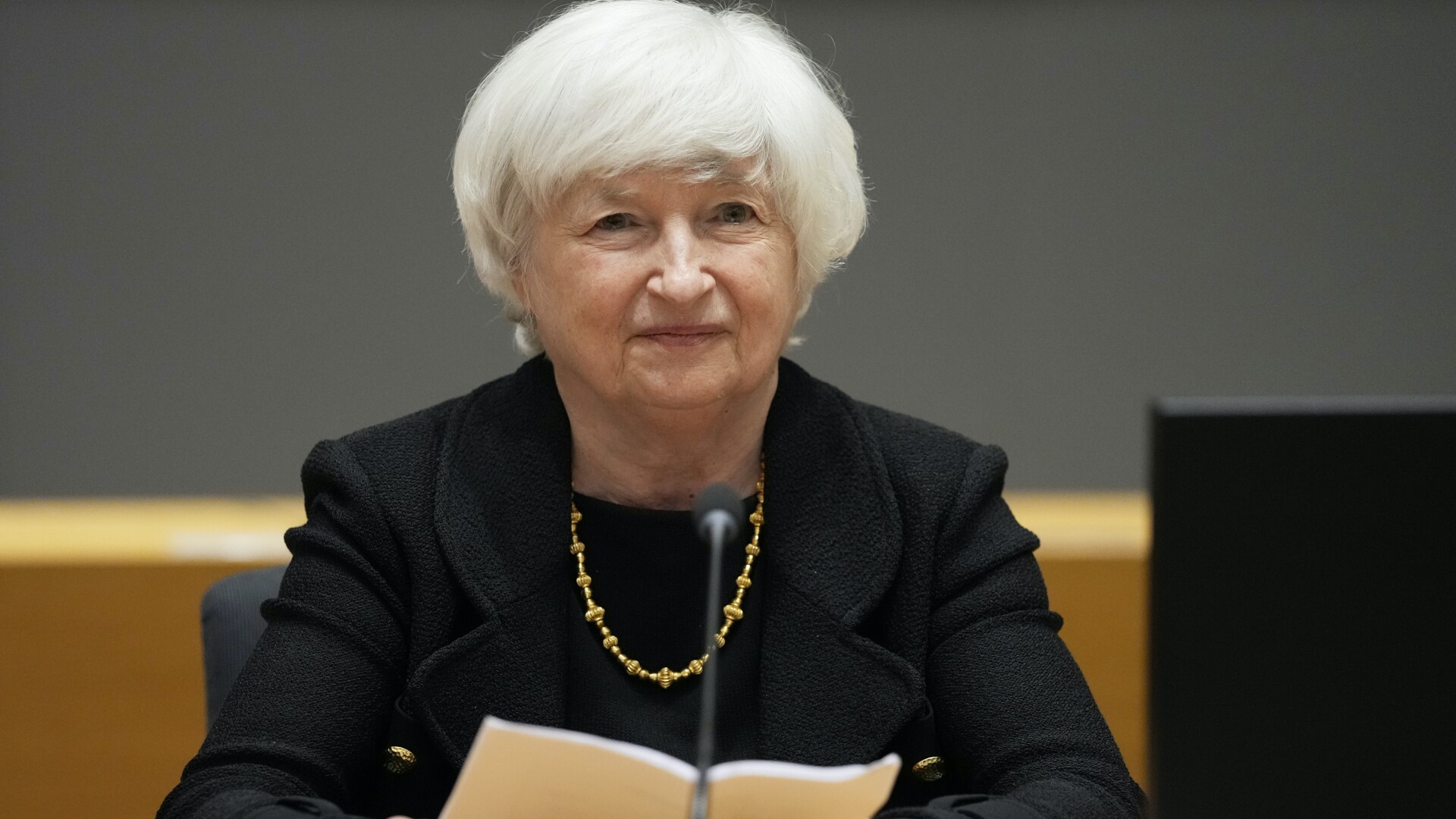
After saying last year that inflation only posed a “small risk” to the U.S. economy, Treasury Secretary Janet Yellen told CNN she was wrong about inflation’s path.
According to the Bureau of Labor Statistics, the price of goods increased by over 8% in the last year.
“I think I was wrong then about the path that inflation would take. As I mentioned, there have been unanticipated and large shocks to the economy that have boosted energy and food prices, and supply bottlenecks that have affected our economy badly that I didn’t at the time didn’t fully understand,” she said.
Yellen cited the war in Ukraine, new COVID-19 variants and China’s pandemic lockdowns as “shocks to the economy.”
“The shocks to the economy have continued, but inflation is the No. 1 concern for President Biden,” she said. “He met today with Chair Powell, indicated that he shares the fed’s priority in lowering inflation and that he believes strongly and is supportive of the independence of the fed to take the steps that are necessary.”
Although the inflation rate is high, job numbers in the U.S. remain strong.
“We have enjoyed a historic economic recovery,” she said. “It’s been tremendously strong. And it’s brought our economy back to full employment, creating 8.3 million jobs since President Biden took office. Layoffs have declined to very low levels. The unemployment rate is almost as low as it’s ever been during the post-war period at 3.6%. The labor market is arguably the strongest we have seen it, and now we’re in a period of transition. We need to fight inflation.”
The average hourly rate for nonfarm work rose 5.5%, which shows that incomes have not kept pace with inflation.
.Page-below > .RichTextModule {display:none;} .Page-below .Link {font-size: 12px; padding: 5px 10px;border: 1px solid #005687;border-radius: 4px;font-family: “proxima-nova”, sans-serif; }
