


Biden signs EO requiring project labor agreements on large federal construction projects
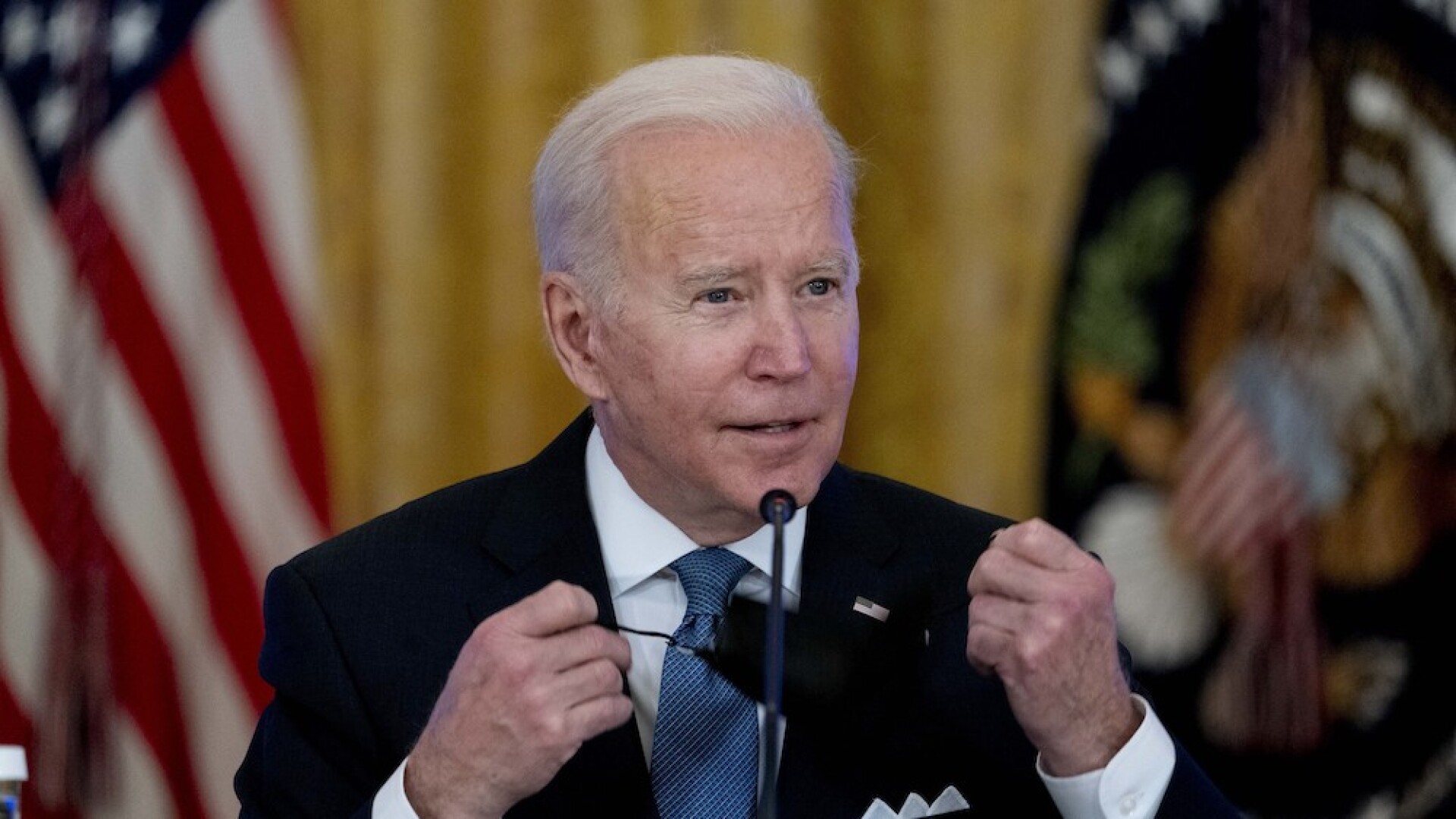
President Joe Biden on Friday signed an executive order in Upper Marlboro, Maryland, that aims to improve working conditions for nearly 200,000 construction workers on federal contracts.
The order Biden signed Friday will require the use of project labor agreements on federal construction projects of $35 million or more.
Project labor agreements are collectively-bargained contracts between builders and labor organizations that establish terms and conditions for employment. Essentially, the Biden Administration is requiring federal construction projects to hire union workers on major construction projects.
The White House says the order Biden will sign will streamline “coordination challenges” on large-scale projects, which will lead to projects being completed quicker, saving the government money. It also says the order will raise quality standards on federal projects by employing only highly-skilled and well-trained workers.
Biden signed the order just months after Congress passed a bipartisan infrastructure spending bill — a move that will undoubtedly spark dozens of large-scale construction projects across the county.
The bill opened up $1 trillion in funding to repair roads and bridges, replace lead plumbing, expand high-speed wireless internet access and expand the U.S.’s network of electric vehicle charging stations.
.Page-below > .RichTextModule {display:none;} .Page-below .Link {font-size: 12px; padding: 5px 10px;border: 1px solid #005687;border-radius: 4px;font-family: “proxima-nova”, sans-serif; }
