


NASA says International Space Station will remain operational until 2030
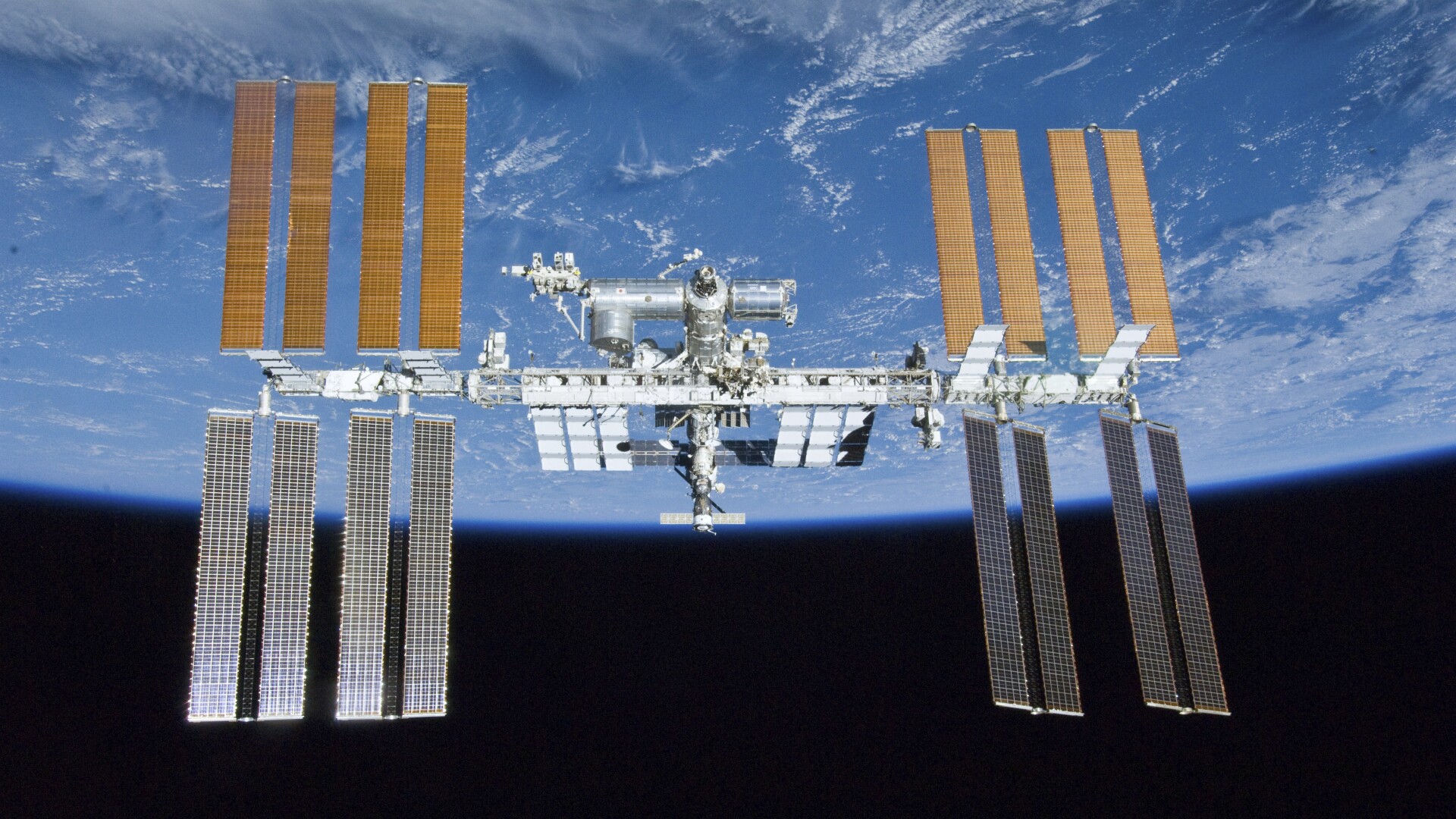
NASA says operations on the International Space Station (ISS) have been extended to 2030.
After that, projects like the International Space Station will come from the private sector.
“The private sector is technically and financially capable of developing and operating commercial low-Earth orbit destinations, with NASA’s assistance. We look forward to sharing our lessons learned and operations experience with the private sector to help them develop safe, reliable, and cost-effective destinations in space,” said Phil McAlister, director of commercial space at NASA Headquarters.
Over the next decade, NASA says astronauts on the ISS will continue to perform important experiments.
“This third decade is one of results, building on our successful global partnership to verify exploration and human research technologies to support deep space exploration, continue to return medical and environmental benefits to humanity, and lay the groundwork for a commercial future in low-Earth orbit,” said Robyn Gatens, director of the International Space Station at NASA Headquarters.
NASA expects to begin deorbiting the ISS in 2031.
“Eventually, after performing maneuvers to line up the final target ground track and debris footprint over the South Pacific Oceanic Uninhabited Area (SPOUA), the area around Point Nemo,” NASA said in a report for Congress.
Construction on the International Space Station began in December 1998. The first astronauts to live on the ISS arrived about two years later.
.Page-below > .RichTextModule {display:none;} .Page-below .Link {font-size: 12px; padding: 5px 10px;border: 1px solid #005687;border-radius: 4px;font-family: “proxima-nova”, sans-serif; }
