


Buyer beware: How to spot counterfeit toys or games
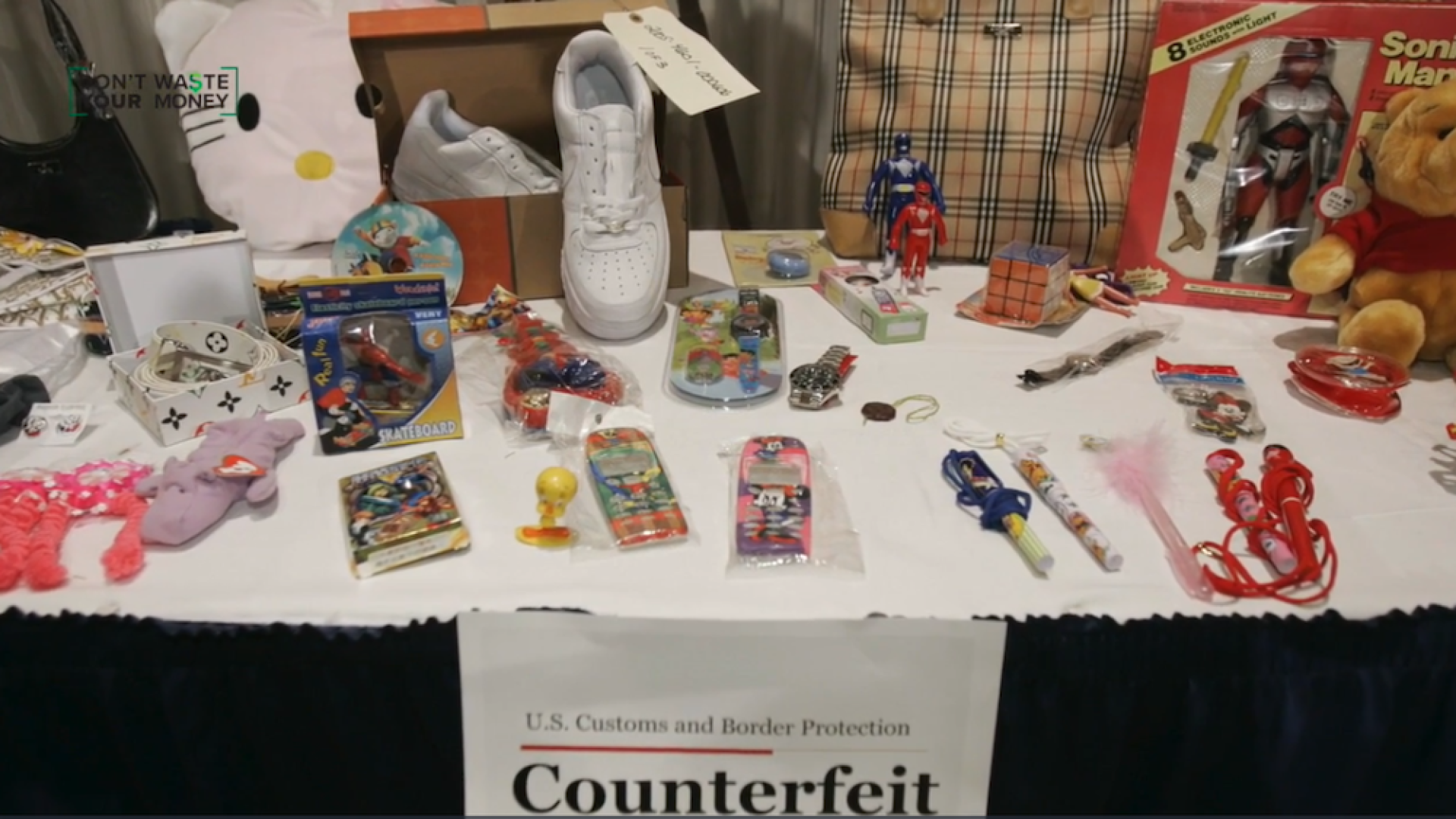
Just about everything is in short supply.
So why not buy a nice knock-off toy, if the toy or gadget your young one wants is sold out? Or a cheaper version, that you suspect might not be the real thing?
Many parents are facing that dilemma this year.
As your favorite Hot Wheel, LOL Doll, or Mario Kart race track set sits stuck in a shipping container on the US coast, the reality sets in: your child may not get the toy they want for Christmas this year.
So the internet hunt begins, and that’s where you could be lured by a cheap and potentially dangerous copycat toy, especially in online auctions and independent retailer websites.
Warning signs a toy is not the real thing
But you’re not the only one out there hunting.
Nikki Flemming with the US Consumer Product Safety Commission says her agency is constantly working with Customs and Border Protection in an effort to pull dangerous counterfeits.
“The CPSC is actually is always looking all year long to keep consumers safe, but especially during your holiday time.” Flemming said.
However, she reminds us that there is a certain level of due diligence on our part.
“Consumers should start with a seller they know and trust. Also, if the price is too good to be true, it could be counterfeit,” she said.
“Also scrutinize the product packaging,” Flemming said.
The CPSC says warning signs of a counterfeit toy include:
- The packaging looks different from what you find on Amazon and at stores like Target.
- You find misspellings or grammatical mistakes in the product description, or on the package.
- The manufacturer’s information is not clearly printed on the box, or there is no manufacturer listed.
- The item is in stock, and the price is suspiciously low.
So what if it is a cheap imitation? You might think there’s no harm in keeping it, but that’s not the case.
Flemming says many copycat toys are poorly made, contain sharp parts, or have been painted with lead based paint.
A sharp metal edge could put your child in the emergency room on Christmas Day.
“CPSC latest toy related data shows about one hundred and fifty thousand hospital emergency room treated injuries to children under the age of 14 and nine toy related deaths in 2020,” Fleming said.
Just recently the CPSC and Customs agents uncovered a major shipment of toys covered in dangerous levels of lead. But that could be just the tip of the iceburg, they suspect.
To protect yourself, read online reviews — both pros and cons — and try to buy from major store, not an unknown seller.
Bottom line: sometimes that internet search for the almost perfect toy can result in much more than simply wasting your money.
