


UN statement would urge end to Taliban offensive
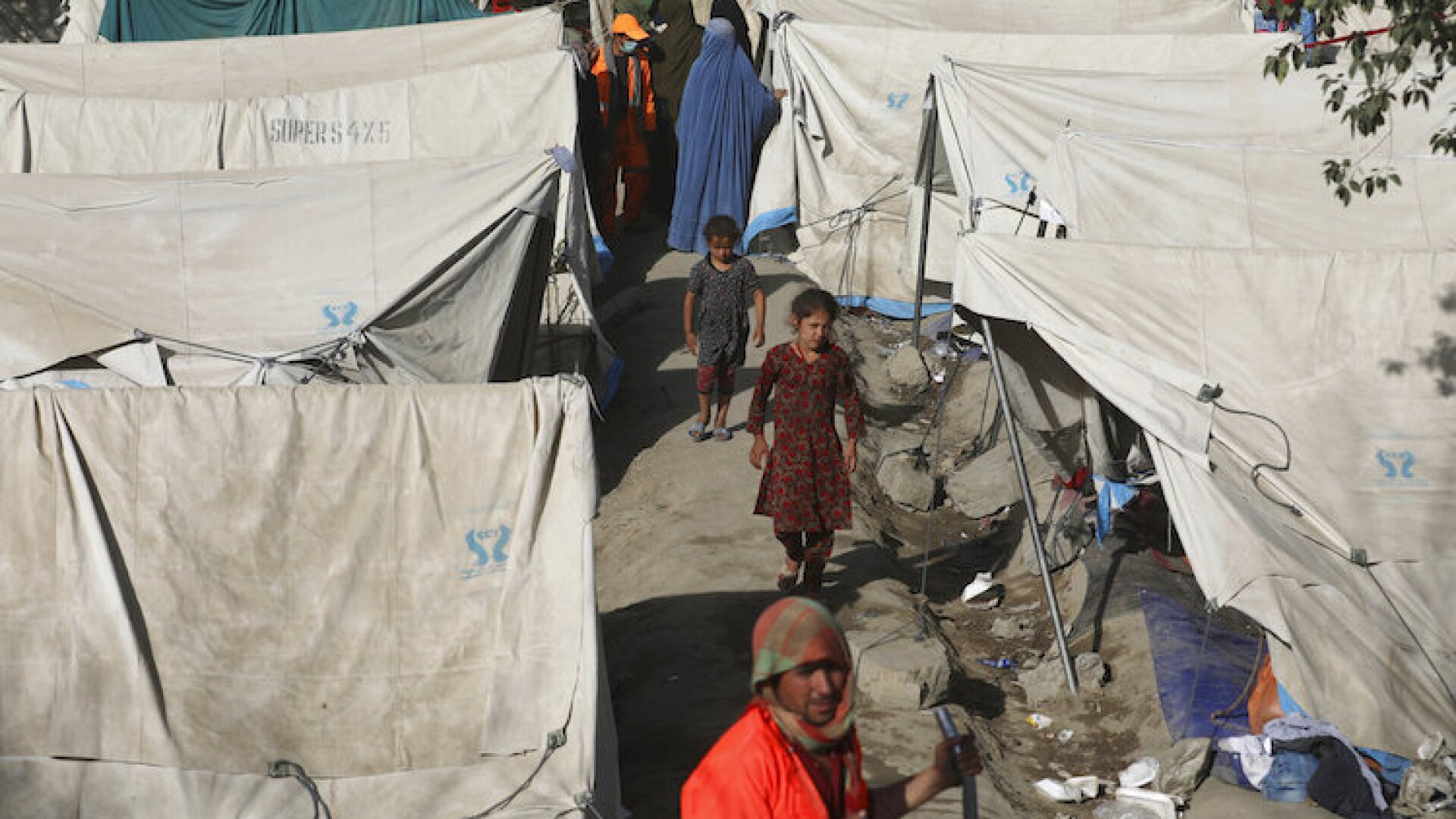
UNITED NATIONS — Security Council members are considering a proposed statement that would urge an immediate end to the Taliban offensive and warn that the U.N.’s most powerful body will not support any government in Afghanistan imposed by military force or restoration of the Taliban’s Islamic Emirate that ruled the country from 1996 to 2001.
The proposed presidential statement, a step below a resolution, would also condemn the Taliban’s attacks on cities and towns across Afghanistan “in the strongest terms” and reaffirm that there is no military solution to the conflict in Afghanistan.
The draft statement, obtained Friday by The Associated Press, urges the Afghan government and the Taliban “to engage without delay,” with equal participation of women, and make “immediate and sustained progress toward achieving an inclusive, just durable and realistic political settlement” to their long conflict.
Council diplomats, speaking on condition of anonymity because consultations have been private, said some of the 15 council members have not yet commented on the proposed statement, drafted by Norway and Estonia, so any action is unlikely until next week.
The draft would express the council’s “deep concern” at the Taliban’s military offensive, “defying its own stated commitments to reduce violence and cease hostilities” and would urge “an immediate halt to the offensive and an end to violence.”
It would also express the council’s “alarm” at the terrorist threat to Afghanistan and the region from the continuing presence of al-Qaida, the Islamic State extremist group and other international terrorist organizations and their affiliates.
