


NCAA President: Need to get ‘better handle on the pandemic’ for college sports to happen this fall
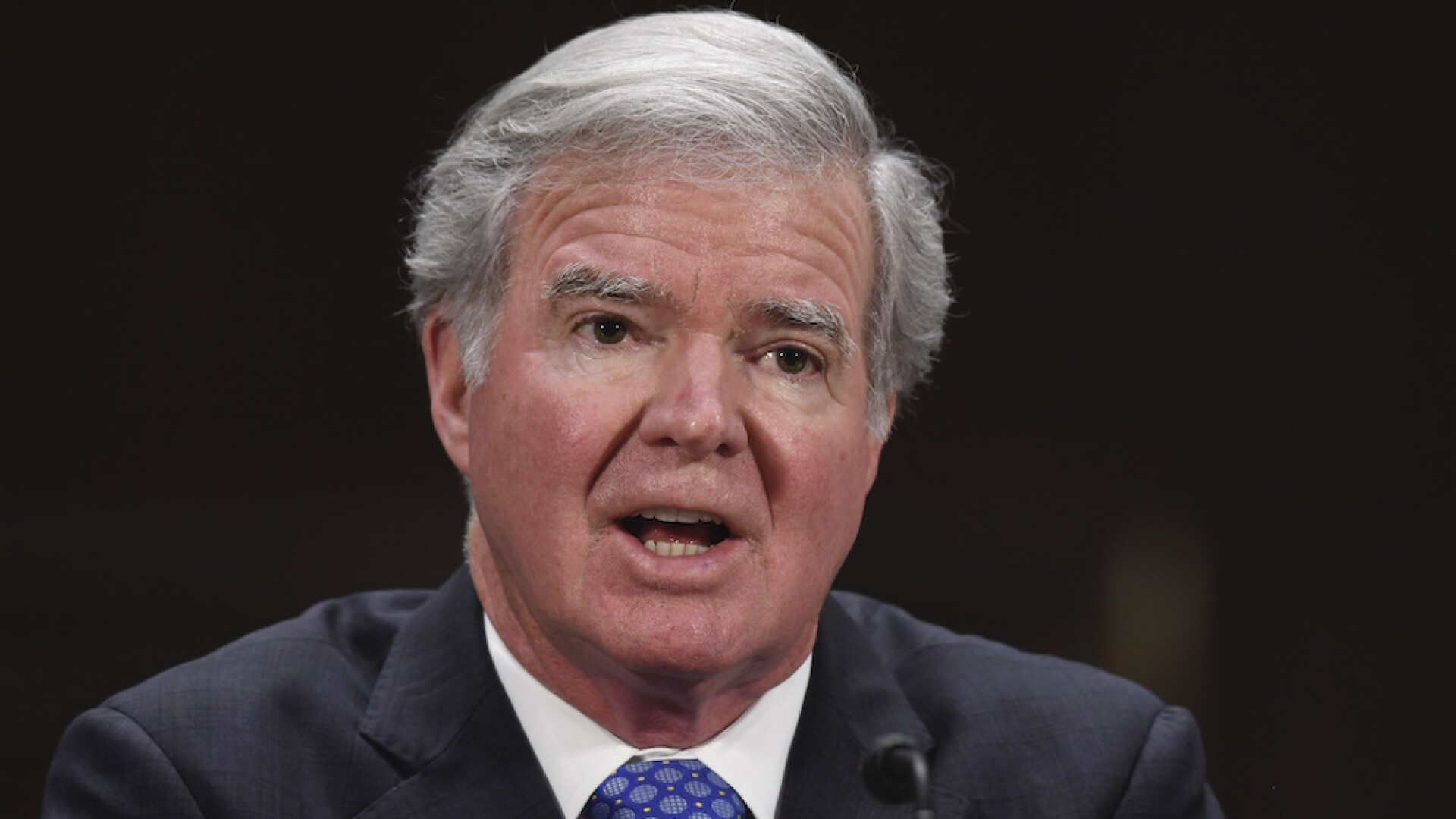
The NCAA released a set of guidelines member schools should follow as athletic teams prepare for fall sports — but in releasing the guidelines, President Mark Emmert seemed less than optimistic about the return of college athletics in the coming weeks.
“Today, sadly, the data point in the wrong direction,” Emmert said. “If there is to be college sports in the fall, we need to get a much better handle on the pandemic.”
The NCAA’s new guidelines suggest that all athletes should wear face coverings or masks “during training, competition and outside of athletics.”
The guidelines also say athletes conduct “self-health” checks every day and add that if an athlete is experiencing shortness of breath, cough, high temperature or 10 other symptoms, that they contact health care experts before entering a team facility.
Finally, the NCAA listed a series of testing strategies for low-contact, medium-contact and high-contact sports. For high-contact sports, like football, the NCAA recommends that all athletes and “inner bubble personnel” — like coaches and other staff members — be tested weekly.
The guidelines suggest that schools should be able to process COVID-19 tests within 72 hours. If that’s not possible, the league suggests canceling or postponing events.
College football rosters can often exceed more than 100 students. At the moment, many states have a days-long lag time when it comes to receiving COVID-19 test results.
Several member conferences, including the Big Ten and the Pac-12 have already announced that their schools will limit play to within thier conferences for the 2020 season. Other conferences, like the Ivy League, have already announced that fall sports have been canceled.
The first college football games are scheduled to kick off on Aug. 29.
College sports have been on hold since March when college basketball tournaments were abruptly canceled in the hopes of limiting the spread of the virus. Shortly after, the NCAA also canceled all spring sports.
