


IRS working to extend stimulus payments to underserved communities
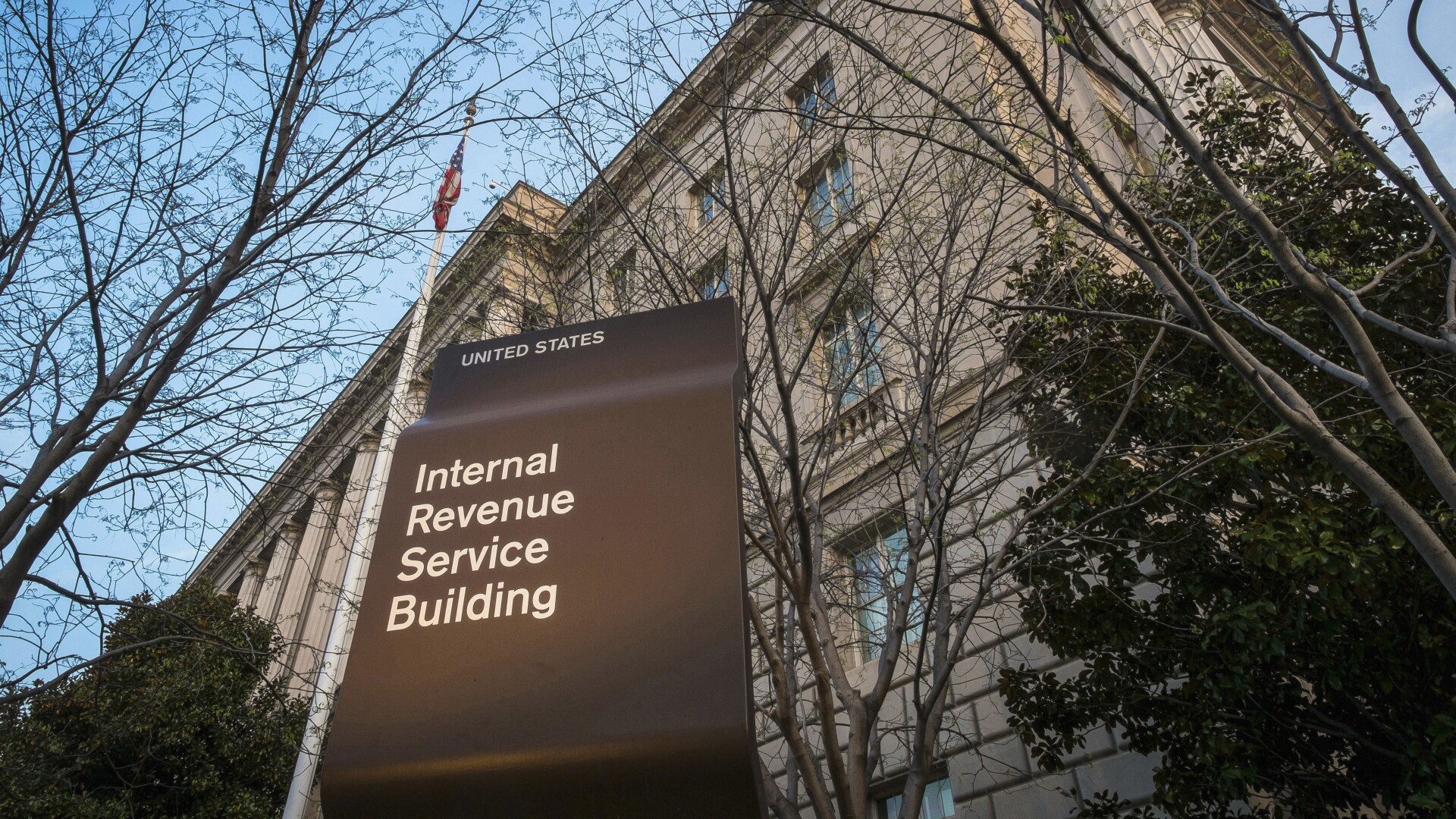
The IRS said on Tuesday it has revamped a section of its website to make it easier for Spanish-speaking and homeless Americans to obtain a stimulus check amid the spread of COVID-19.
The IRS section for non-tax filers, which is used by those who do not need to submit a tax return and those who do not receive government benefits, allows access to $1,200 checks for all qualifying Americans.
Those who file an income tax return, and those who are on government benefits, will automatically receive a stimulus check, if they meet income guidelines.
On Tuesday, the IRS launched a Spanish version of the site. The IRS also said the non-filer site can now accept returns from homeless Americans.
“The IRS is working hard to find new ways for people who don’t have a filing requirement to receive their Economic Impact Payment,” said IRS Commissioner Chuck Rettig. “The Non-Filers tool is an easy way people can register for these payments. I appreciate the work of the Free File Alliance to quickly develop a Spanish-language version of this tool to reach additional people. This is part of a wider effort to reach underserved communities.”
As a reminder, here is who is eligible for a stimulus check:
- $2,400 – Couples earning less than $150,000 a year (couples earning $150,000 – $198,000 will receive a prorated check).
- $1,200 – Individuals earning less than $75,000 a year (individuals earning $75,000 – $99,000 will receive a prorated check).
- $1,200 – Heads of households earning less than $112,500 (heads of households earning $112,500 – $136,000 will receive a prorated check).
- $500 – Each dependent child age 16 or under as of Dec. 31, 2019 (for qualifying individuals and couples).
Justin Boggs is a writer for the E.W. Scripps National Desk. Follow him on Twitter @jjboggs or on Facebook
