


Additional 37 million Americans receive stimulus check
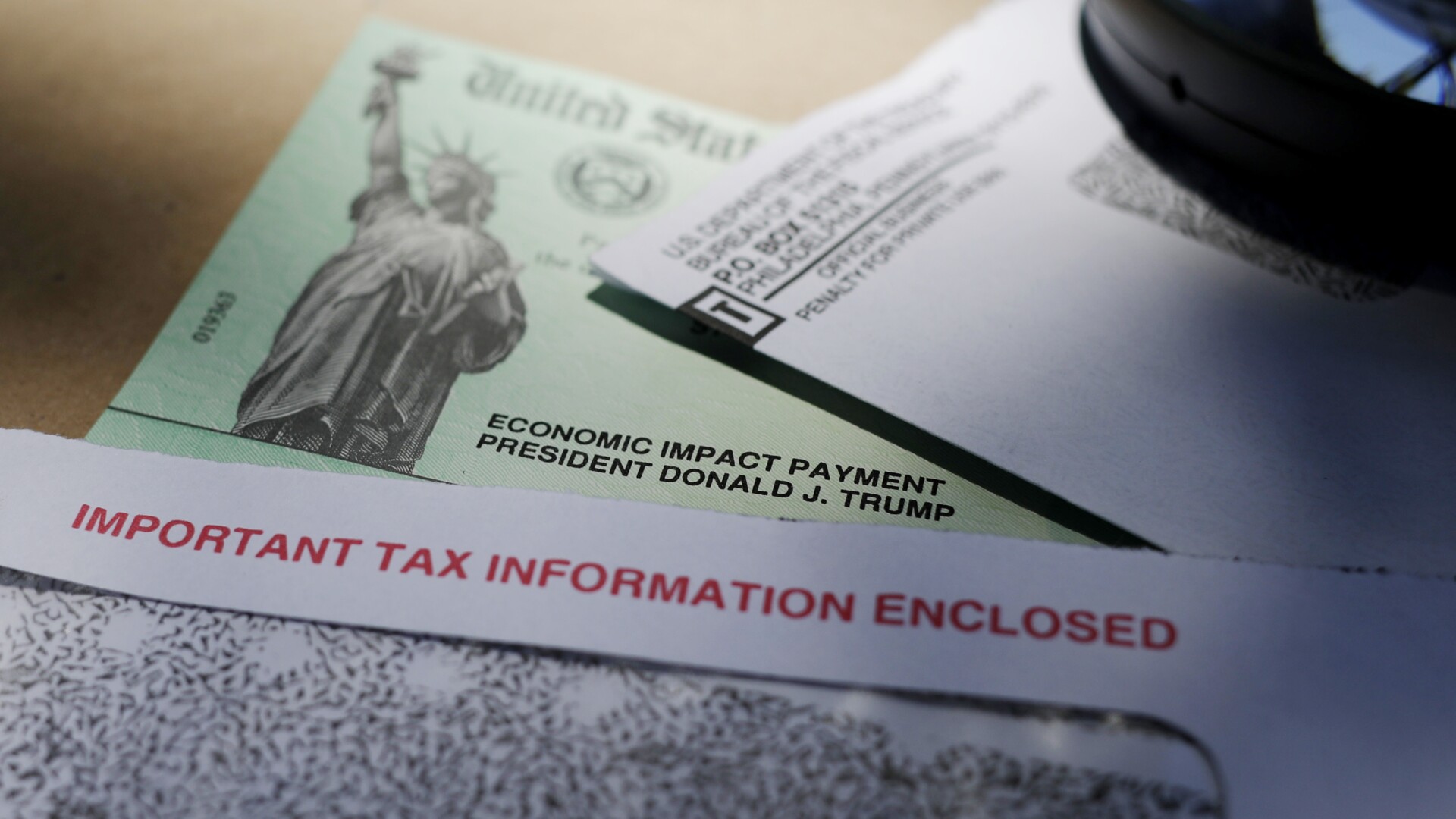
The IRS announced on Wednesday that it is distributing an additional 37 million economic stimulus checks this week, upping the total number distributed to Americans to 127 million.
The IRS said that like the first batch of 90 million payments, this disbursement was primarily sent to those who filed 2019 or 2020 tax returns, or those who typically don’t file a tax return but previous used the IRS’ non-filer tool.
Out of the 37 million payments sent out this week, 17 million were via direct deposit, another 15 were million were paper checks, and 5 million were prepaid debit cards. The paper checks and debit cards began processing last Friday.
Many government beneficiaries, such as those receiving Social Security retirement, Survivor or disability benefits (SSDI), Railroad Retirement benefits, Supplemental Security Income (SSI) or Veterans Affairs benefits are eligible for a stimulus check without being required to file a tax return. Those on government benefits have complained about not receiving their payments fast enough.
Others have complained of only receiving half of their expected payment.
The IRS says that additional payments will continue being sent over the coming weeks.
Americans can check the status of their stimulus payment by going to the “Get My Payment” site on the IRS’ website.
Americans making up to $75,000 a year will get a direct payment of $1,400 (couples making up to $150,000 a year will get $2,800). Heads of households making up to $112,500 annually also will receive the full $1,400.
Those making $75,000 to $80,000 ($150,000 to $160,000 for couples) will get a prorated check. Those making over $80,000 ($160,000 for couples) will not receive a check.
The IRS will use “adjusted gross income” to determine income eligibility for payments. If you have not filed a 2020 tax return, the IRS will use 2019 tax information to determine eligibility.
Contact Justin Boggs on Twitter @jjboggs or on Facebook.
.Page-below > .RichTextModule {display:none;} .Page-below .Link {font-size: 12px; padding: 5px 10px;border: 1px solid #005687;border-radius: 4px;font-family: “proxima-nova”, sans-serif; }
