


Antarctica’s sea ice reaches record lows as world heats up
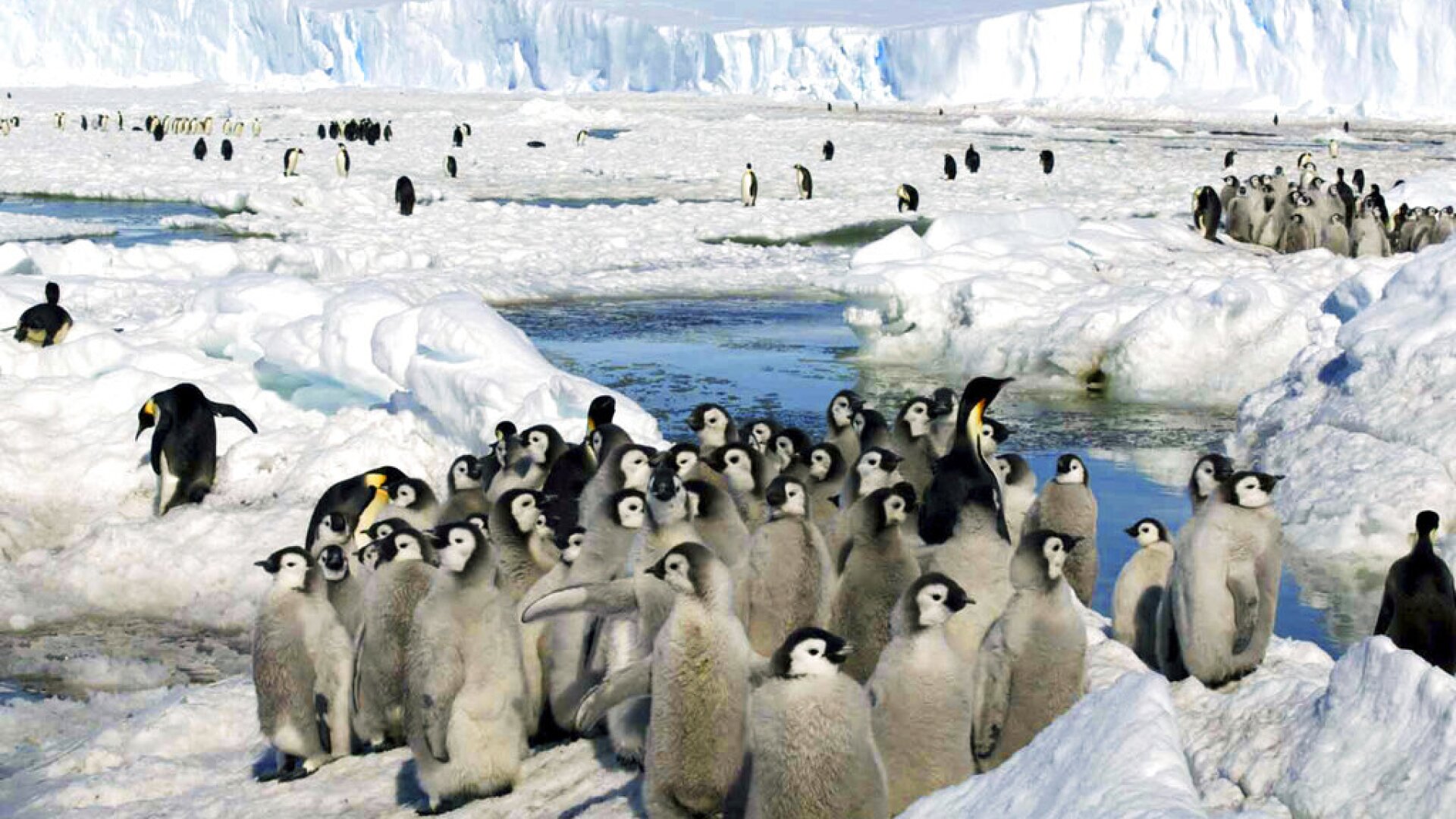
Antarctica’s sea ice level reached a record low in June, according to a new report from the National Oceanic and Atmospheric Administration.
The continent’s sea ice coverage was a record low at 4.68 million square miles, 471,000 square miles below average.
The first half of 2022 ranked No. 6 for warmest on record globally, NOAA said. All 10 of the hottest Junes on record have occurred since 2010.
The report comes as England recorded its warmest temperature on record this week. The temperature reached 40 Celsuis (104 Fahrenheit) for the first time in U.K. history on Tuesday.
The heat in the U.K. and shrinking ice in Antarctica both seem to indicate the world is warming.
“We hoped we wouldn’t get to this situation but for the first time ever we are forecasting greater than 40°C in the UK,” said climate attribution scientist at the Met Office Dr. Nikos Christidis. “In a recent study we found that the likelihood of extremely hot days in the UK has been increasing and will continue to do so during the course of the century, with the most extreme temperatures expected to be observed in the southeast of England.”
.Page-below > .RichTextModule {display:none;} .Page-below .Link {font-size: 12px; padding: 5px 10px;border: 1px solid #005687;border-radius: 4px;font-family: “proxima-nova”, sans-serif; }
