


Canada peels away restrictions for travelers
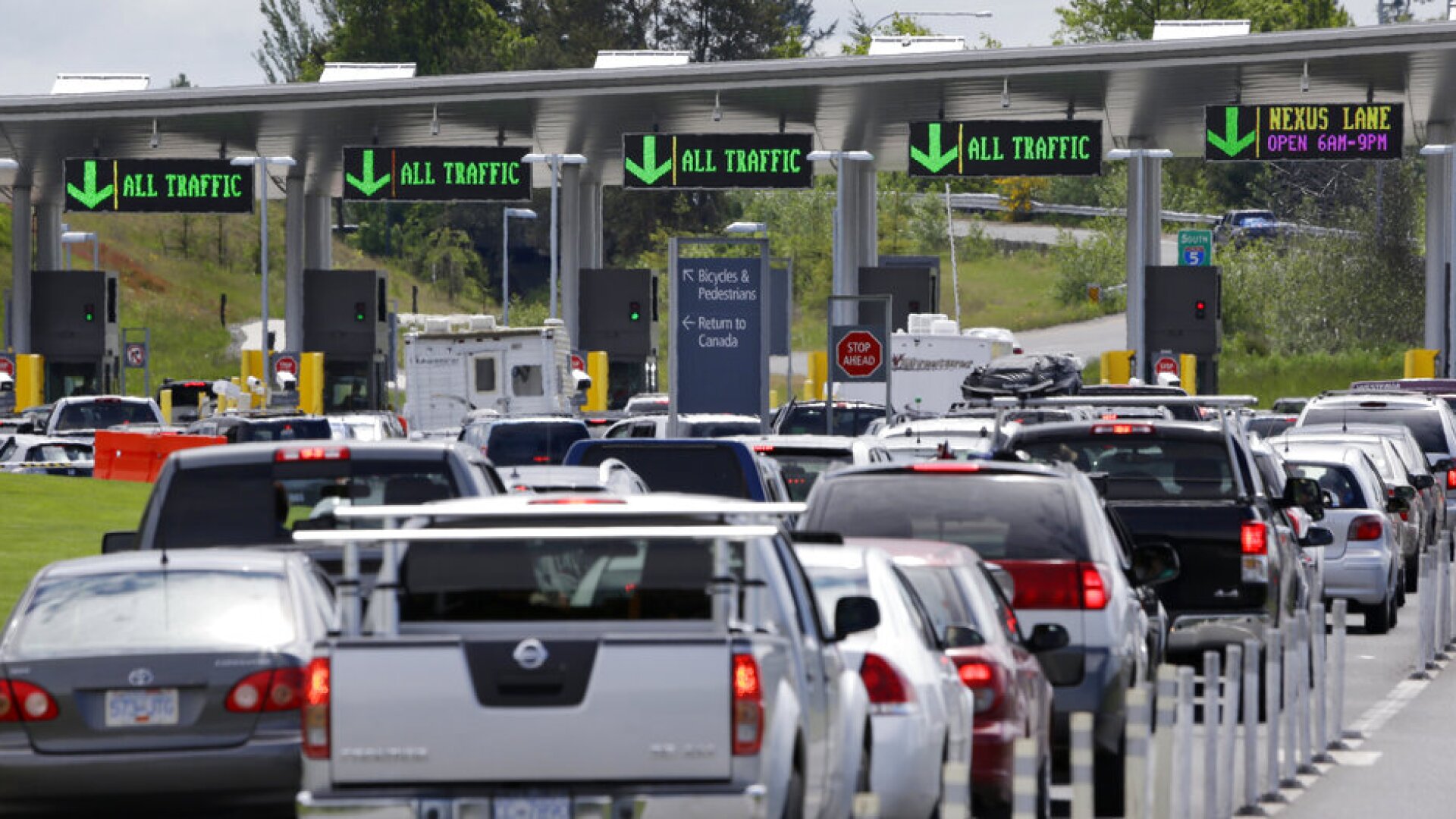
As the effects of the COVID-19 pandemic begin to wane, the Canadian government has been peeling away some of the precautions at its borders.
The latest changes took effect Monday as the Canadian government lifted a requirement that fully vaccinated travelers must declare a quarantine plan before arriving. Prior to Monday, those entering Canada were required to submit the address where they planned to stay and plans in case they became ill with COVID-19.
The Canadian government also lifted a requirement that unvaccinated or partially vaccinated children ages 5-11 who enter Canada must get tested for COVID-19. Those age 12 and older who are not fully vaccinated are still required to submit a COVID-19 test before entering Canada.
The Canadian government also previously required that those entering Canada mask in public spaces, monitor and report signs of symptoms, quarantine if another traveler in the same group shows signs of COVID-19 and maintain a list of close contacts and locations visited for 14 days.
The government still requires travelers who are fully vaccinated to submit proof of vaccination through a mobile app. Those who are not fully vaccinated are required to undergo a 14-day quarantine.
.Page-below > .RichTextModule {display:none;} .Page-below .Link {font-size: 12px; padding: 5px 10px;border: 1px solid #005687;border-radius: 4px;font-family: “proxima-nova”, sans-serif; }
