


CDC: Bacteria found along Gulf Coast could cause rare disease
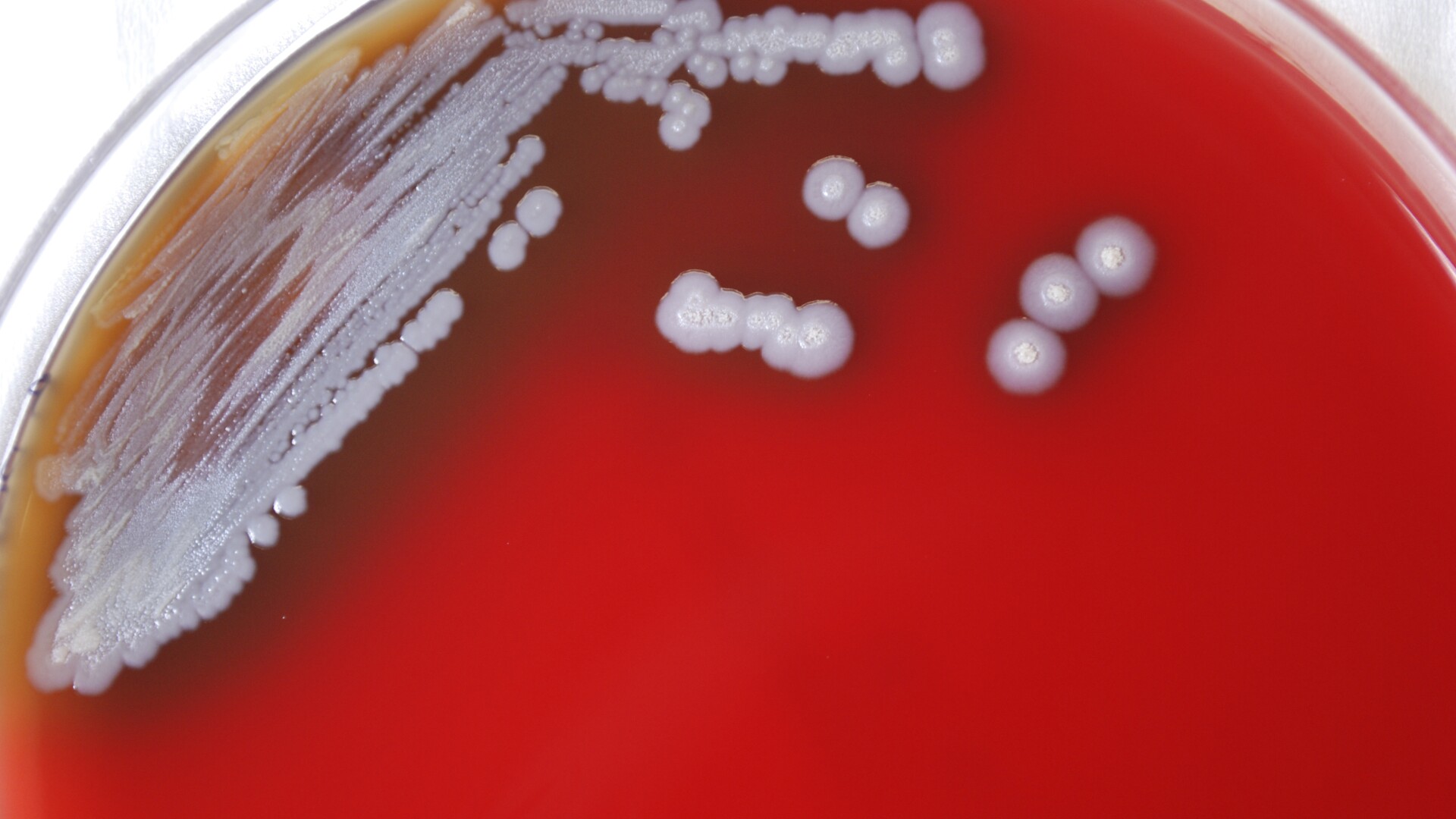
A bacteria that causes a rare and serious disease was found in Mississippi’s Gulf Coast region for the first time, according to the Centers for Disease Control and Prevention (CDC).
The agency says the bacteria, B. pseudomallei, was found in samples of water and soil from the area.
Experts don’t know how long the bacteria has been in the environment or where else it could be found in the U.S. However, they say other Gulf Coast states have similar environmental conditions that would allow the bacteria to thrive.
The CDC says the bacteria can lead to melioidosis, which causes a wide range of symptoms including fever, cough and joint pain. The agency says the disease is fatal in up to 50% of cases worldwide.
The CDC is alerting clinicians throughout the country about its findings and reminding them to be alert about the symptoms of melioidosis. However, the agency believes the overall risk of contracting the disease is very low.
People can protect themselves from the bacteria by wearing waterproof gloves and boots while working directly with soil, the CDC says.
.Page-below > .RichTextModule {display:none;} .Page-below .Link {font-size: 12px; padding: 5px 10px;border: 1px solid #005687;border-radius: 4px;font-family: “proxima-nova”, sans-serif; }
