


Coronavirus vaccine experts vow to keep process transparent
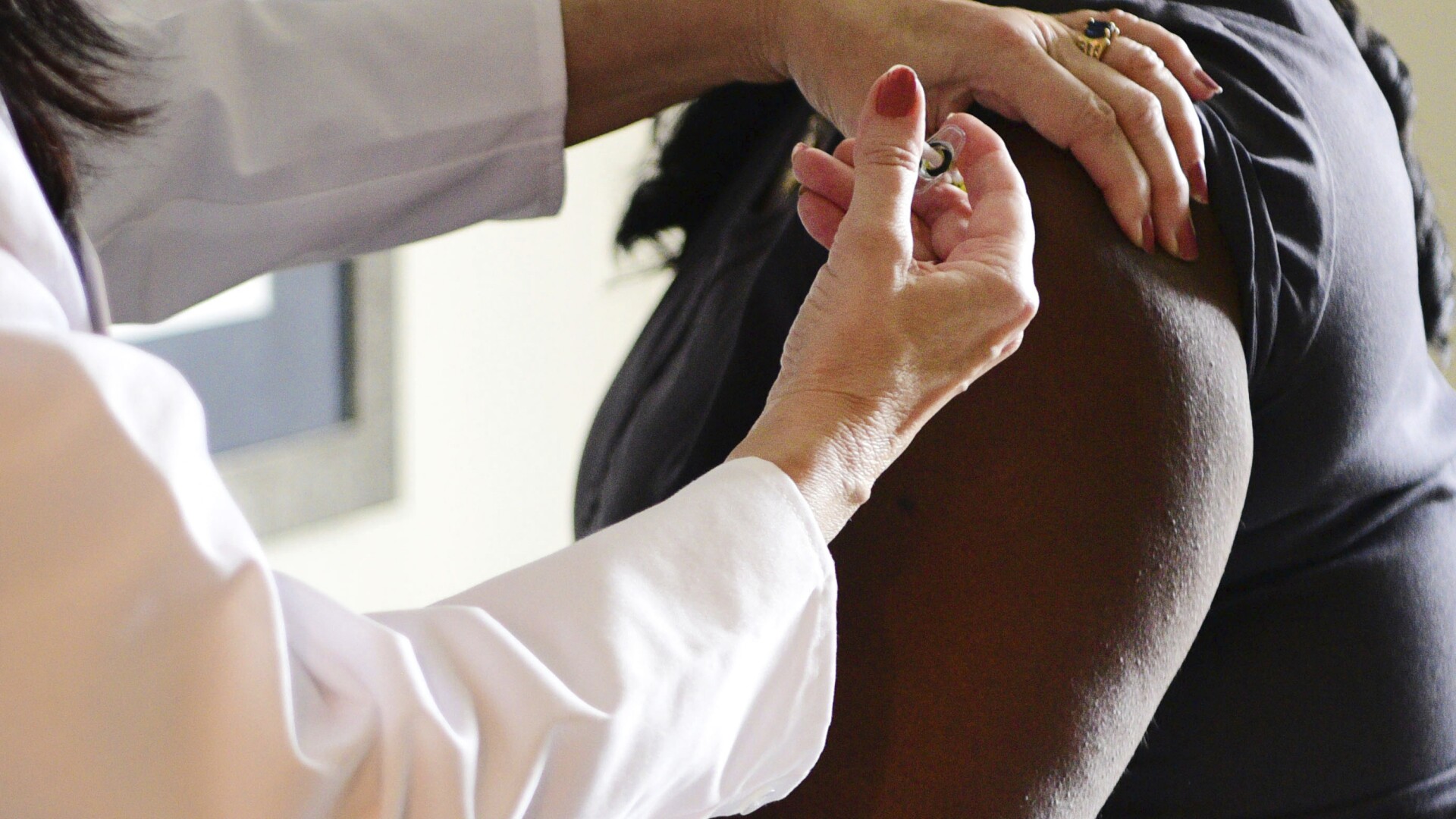
Those in charge of the race for a COVID-19 vaccine are trying to keep the process transparent.
“Those checks aren’t just critical to the development of a safe and effective vaccine, although they are, they are also essential to maintaining and inspiring the public trust,” said Ana Mari Cauce, President of the University of Washington.
Johns Hopkins and the University of Washington hosted a virtual symposium. Dr Anthony Fauci took part, as did the head of Operation Warp Speed, the public and private partnership overseeing COVID vaccine therapies.
He’s vowed to resign if political pressure impacts a vaccine being safe and effective.
“We expect them to read that or have a first look at their efficacy outcome within the next several weeks,” said Dr. Moncef Slaoui, Chief Advisor for Operation Warp Speed. “Nobody can really say when, but the expectation would be that this would happen between the month of November and December.”
There are detailed plans and protocols at some 25 manufacturing sites across the U.S.
Independent experts with decades of experience in Ebola, Zika and HIV gave perspective on COVID-19 vaccine trials.
“We use 30,000 and if you actually calculate how many is needed for efficacy, most companies would do it around 15,000, but we fortunately have the funding to be able to do larger trials,” said Dr. Larry Corey, a vaccine and infectious disease expert.
The experts promised that phase-3 trial data would be publicly vetted during a broadcasted advisory committee meeting.
You can see the full symposium on Johns Hopkins University’s YouTube page right now.
