


Government program that deals with paying for COVID vaccine injuries seldom pay claims
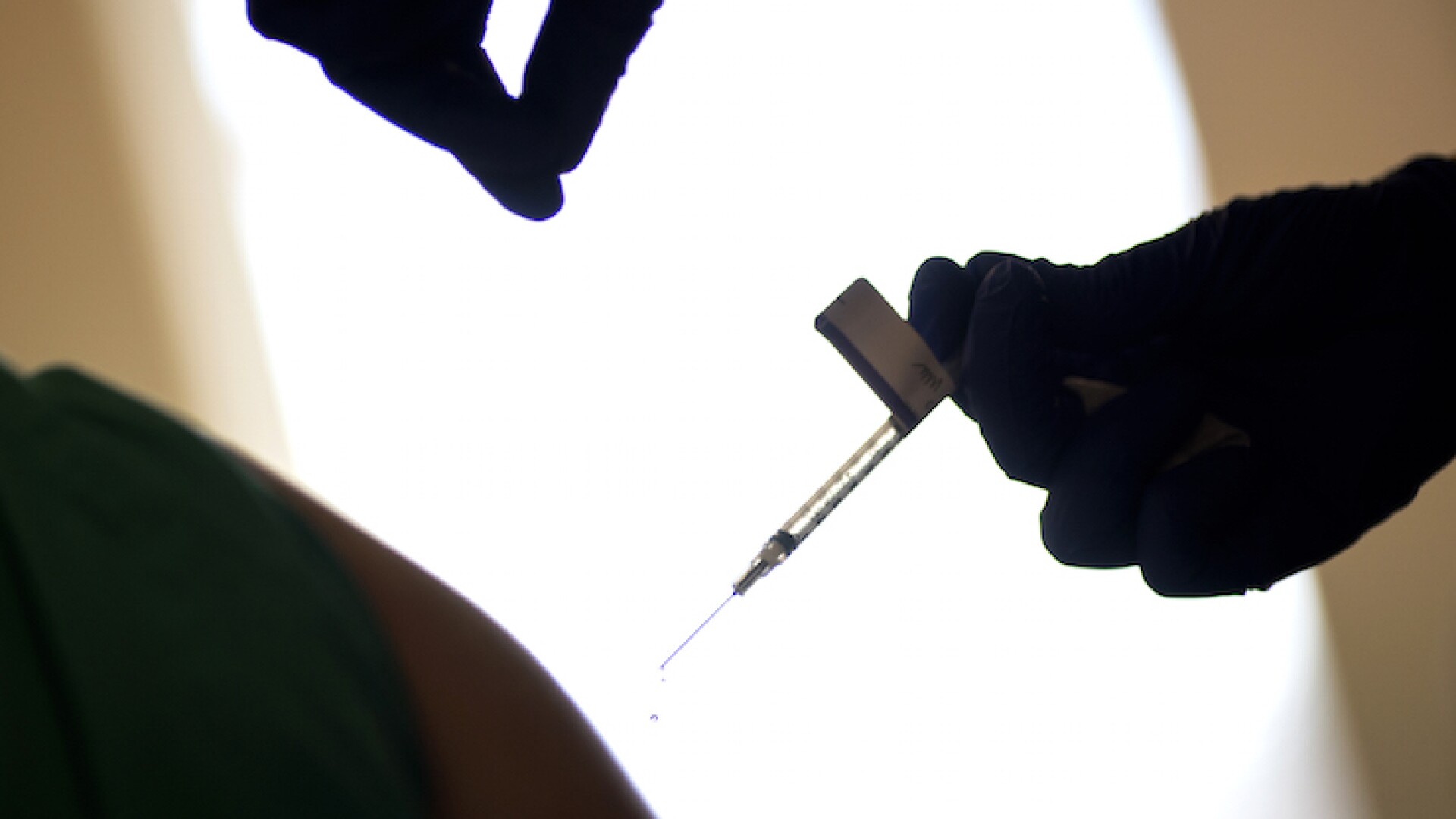
Though most people who protect themselves with a coronavirus vaccine will never develop serious side effects, such rare cases are barred from federal court and instead steered to an obscure program with a record of seldom paying claims.
The Countermeasures Injury Compensation Program, which was set up specifically to deal with vaccines under an emergency authorization, has just four employees and few hallmarks of an ordinary court.
A law professor who has studied the program calls it a “black hole,” paying fewer than 1 in 10 claims in its 15-year history.
According to the Associated Press, decisions are made in secret, claimants can’t appeal, and most payments in death cases are capped at $370,376.
AP reported that most of the claims happened when Americans were given the H1N1 swine flu vaccine, and only 29 out of 499 people were awarded money.
Although the National Institutes of Health is reportedly planning to study the reactions, 1 million Americans have already been vaccinated. According to the Centers for Disease Control and Prevention, six Americans as of Dec. 18 were identified as having a strong allergic reaction to the Pfizer/BioNTech vaccine.
According to the CDC, two people in the U.K. reported having a strong allergic reaction as well.
The CDC says people may still get vaccinated even if they have a history of severe allergic reactions not related to vaccines, like allergies to food, pet, or latex.
