


Great Barrier Reef withstands stress, blooms to highest levels in decades
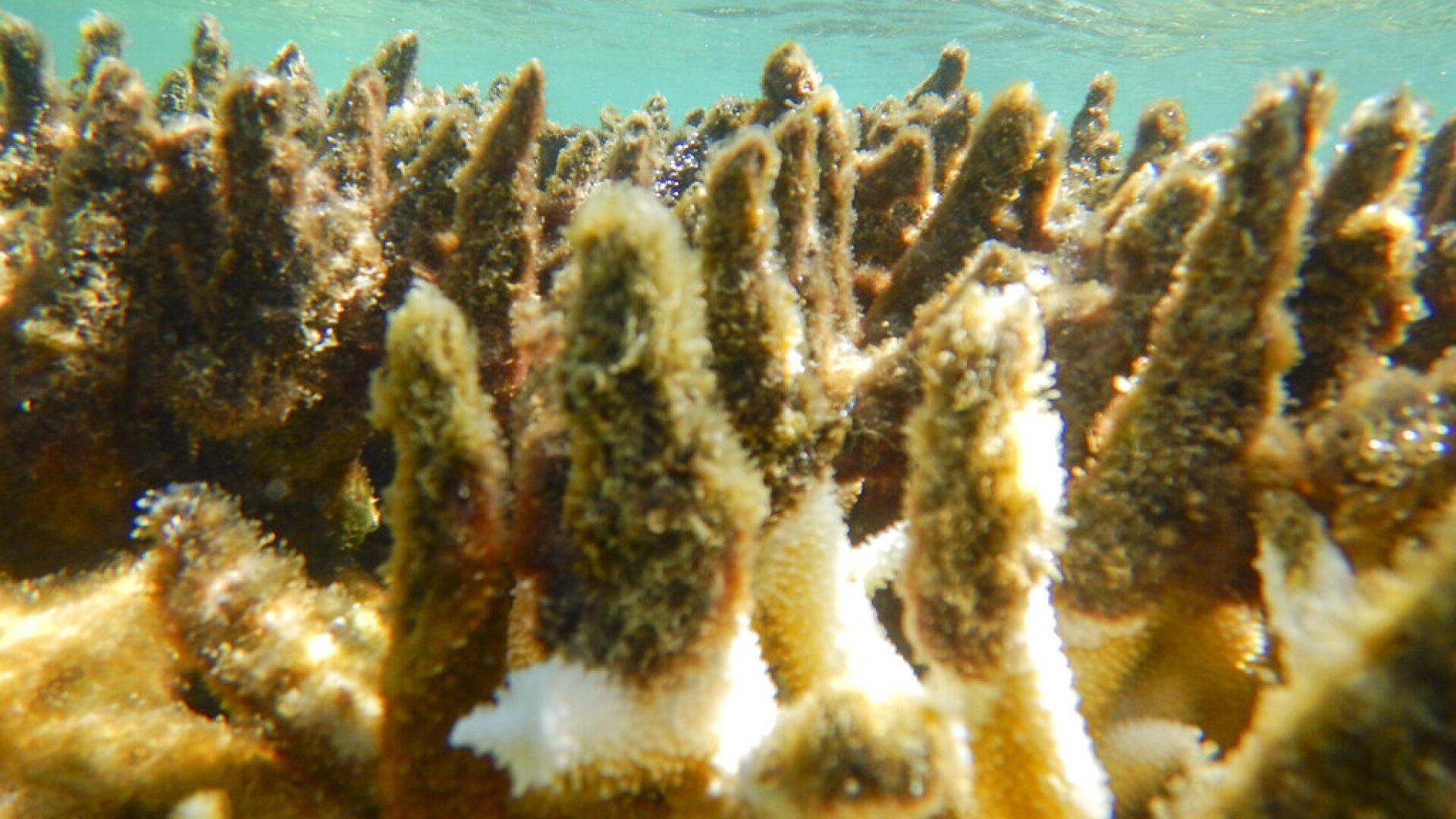
Despite climate change’s potential impact, the Great Barrier Reef had its highest coral coverage in 36 years from August 2021 through May 2022, the Australian Institute of Marine Science reported Thursday.
The group noted gains in the central and northern sections of the reef were partially offset by losses in its southern portions.
“A third of the gain in coral cover we recorded in the south in 2020/21 was lost last year due to ongoing crown-of-thorns starfish outbreaks,” said Australian Institute of Marine Science CEO Paul Hardisty. “This shows how vulnerable the Reef is to the continued acute and severe disturbances that are occurring more often, and are longer-lasting.”
Amid the increase in coral, Hardisty noted that the reef encountered another mass bleaching event earlier this year. Bleaching is corals’ response to stressful conditions, which could cause them to turn white and potentially die.
“The increasing frequency of warming ocean temperatures and the extent of mass bleaching events highlights the critical threat climate change poses to all reefs, particularly while crown-of-thorns starfish outbreaks and tropical cyclones are also occurring,” said Australian Institute of Marine Science team leader Mark Emslie. “Future disturbance can reverse the observed recovery in a short amount of time.”
Hardisty noted that the Great Barrier Reef can “still recover in periods free of intense disturbances.”
.Page-below > .RichTextModule {display:none;} .Page-below .Link {font-size: 12px; padding: 5px 10px;border: 1px solid #005687;border-radius: 4px;font-family: “proxima-nova”, sans-serif; }
