


How donating your unwanted items can sometimes do more harm than good
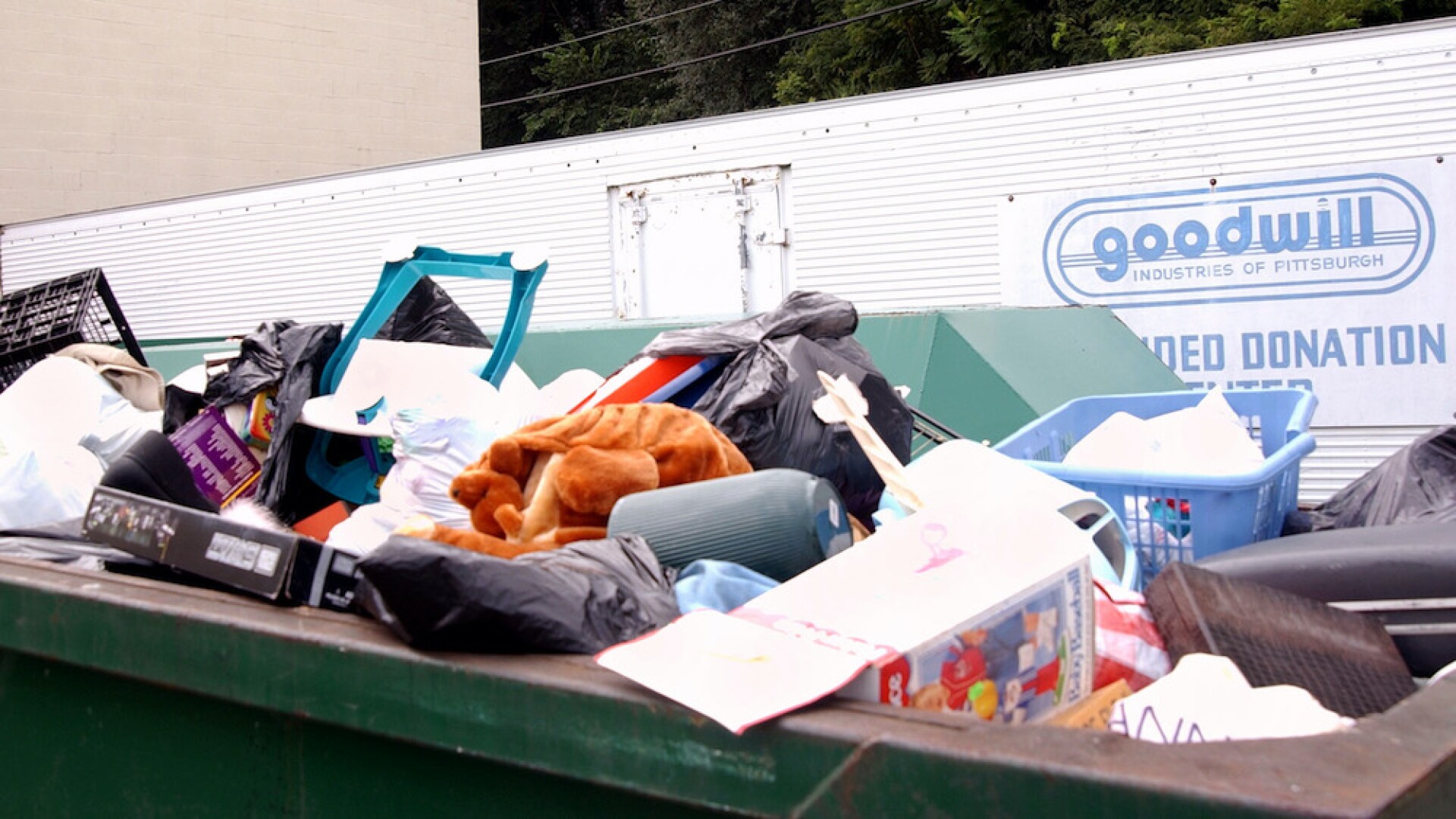
Many people take time to clean out their closets during the holidays. But donating all that unwanted stuff isn’t necessarily helpful.
A recent study shows Australian charities spent $13 million to get rid of unwanted clothing donations.
Meanwhile, in America, food banks report that 15% of their donations are unusable, leaving them to spend their own money to dump.
“Food banks are interested in providing nutritious foods, but sometimes people donate things that are not very healthy, and there’s a debate within that community about how to deal with non-nutrition donations.” said Kaitlin Daniels of the Olin Business School at Washington University.
Many of those items end up in landfills. The EPA reports that the U.S. generates 16 million tons of textile waste each year.
Before bagging up unwanted items, experts recommend checking out charity websites to see if the donation is needed.
“A lot of nonprofits are trying to advertise what they want, either through guidance like Goodwill, saying what kinds of items they accept and don’t accept,” Daniels said. “Some nonprofits even have wish lists on Amazon that you can check out, because the best solution is prevention.”
Experts say cash donations are always appreciated — and those donations can turn into a tax break.
.Page-below > .RichTextModule {display:none;} .Page-below .Link {font-size: 12px; padding: 5px 10px;border: 1px solid #005687;border-radius: 4px;font-family: “proxima-nova”, sans-serif; }
