


Louisiana board votes to pardon Homer Plessy, whose case led to SCOTUS’ ‘separate but equal’ ruling
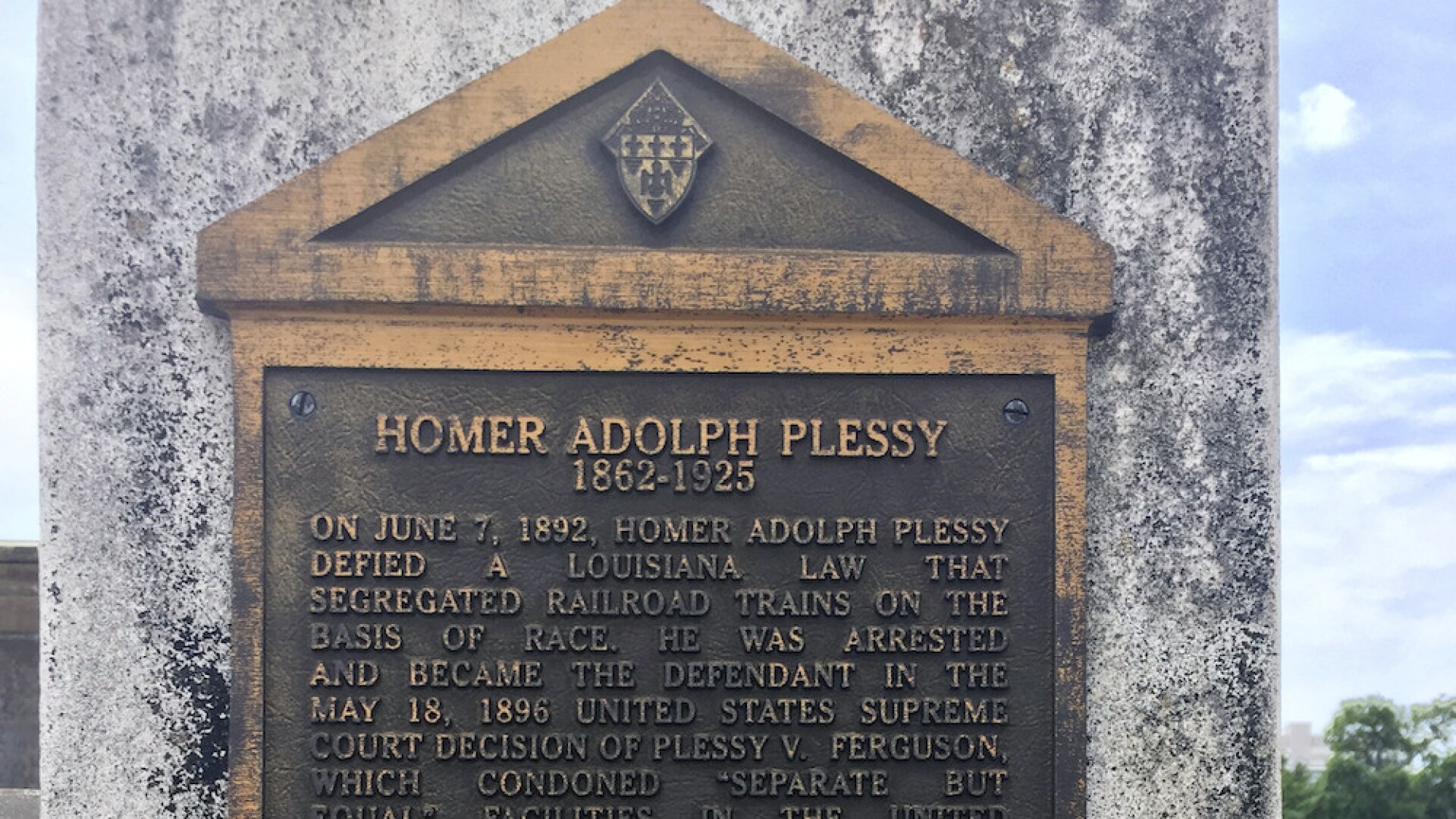
NEW ORLEANS — A Louisiana board has voted to posthumously pardon Homer Plessy, the namesake of the U.S. Supreme Court’s 1896 “separate but equal” ruling affirming state segregation laws.
The state Board of Pardon voted unanimously on Friday to clear the Creole man’s record of a conviction for refusing to leave a whites-only train car in New Orleans.
The decision now goes to Gov. John Bel Edwards, who has the final say over the pardon.
Plessy was arrested for a violation of the “Separate Car Act” in 1892. His case was appealed all the way to the Supreme Court, which ruled his conviction constitutional four years later in the landmark case “Plessy v. Ferguson.”
In issuing the court’s opinion, Justice Henry Billings Brown wrote that segregation was legal if “separate but equal” accommodations were provided for Black people. The opinion allowed Jim Crow laws to stand throughout the country for half a century.
The statute was lifted in 1954 when the Supreme Court ruled in Brown v. the Board of Education that racial segregation was inherently unequal.
.Page-below > .RichTextModule {display:none;} .Page-below .Link {font-size: 12px; padding: 5px 10px;border: 1px solid #005687;border-radius: 4px;font-family: “proxima-nova”, sans-serif; }
