


New evidence shows Amazon rainforest is near “tipping point”
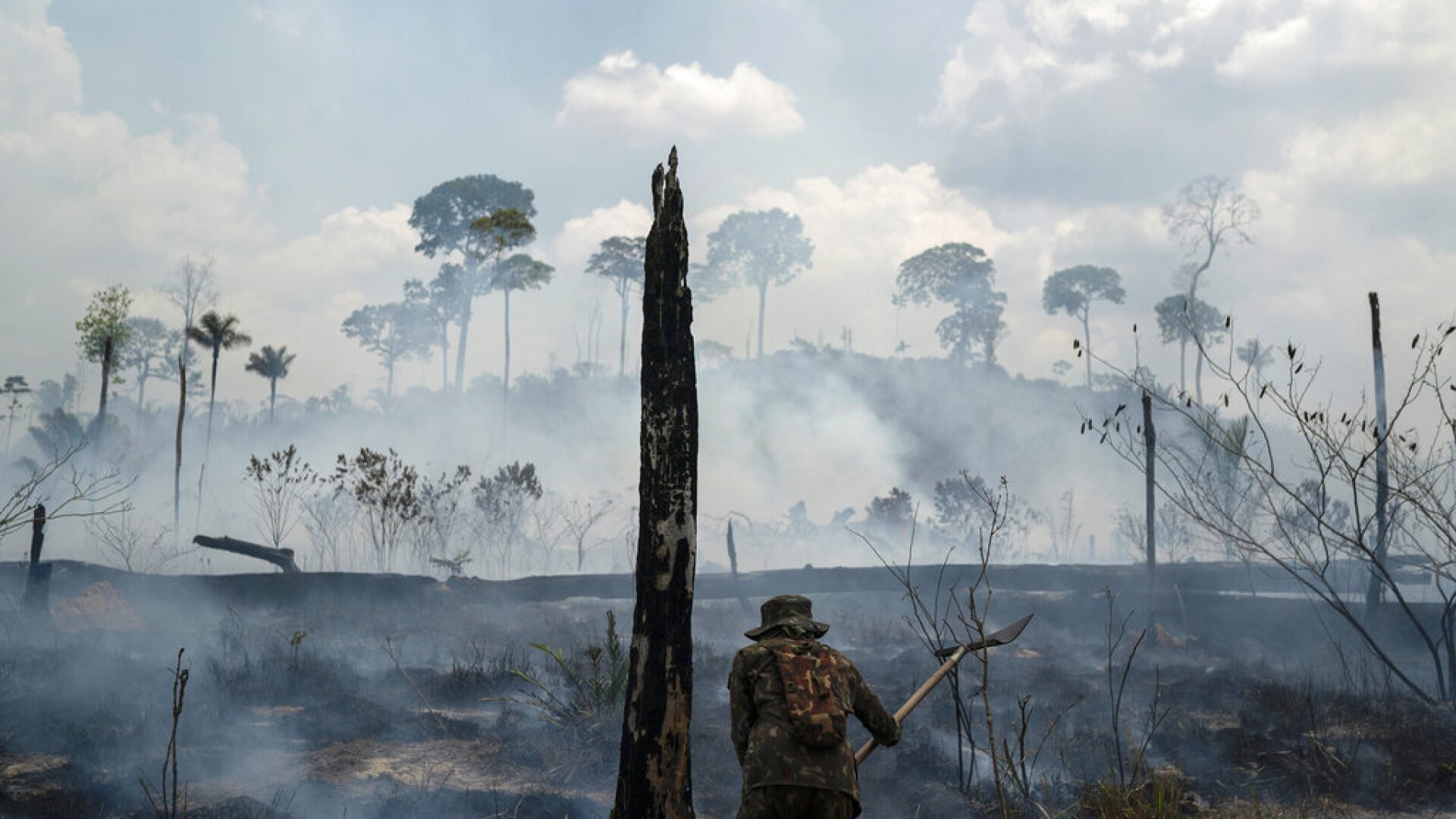
Scientists warn that the Amazon rainforest is near its “tipping point” as more trees die.
A study published in the journal Nature Climate Change, more than three-quarters of the Amazon has lost resilience since the early 2000s.
Resilience is defined as how much disturbance an ecosystem can withstand without changing its processes and structures.
According to the study, vegetation in the Amazon is drier and takes longer to regenerate after a disturbance.
Areas with less rainfall and regions that are closer to human activity are losing resilience even faster than other parts of the rainforest.
Researchers fear that half of the Amazon could turn into a savanna in just decades and that this could accelerate climate change.
Because the rainforest is losing trees and taking longer to regenerate, it will become more difficult, and maybe impossible, for the world to limit its temperature rise to 2.7 degrees Fahrenheit.
The loss of the rainforest won’t just affect the earth’s temperature.
Experts say that food sources for millions of people could shrink.
We could also see more storms, worse wildfires and nearly a foot of sea-level rise in coastal communities.
Researchers involved in the study say that reducing deforestation will protect the rainforest and also restore resilience.
