


NIH to investigate coronavirus spread among children
The National Institutes of Health said on Monday it is beginning a study of children to determine why few children are developing COVID-19 symptoms.
The study will examine what percentage of children infected with the coronavirus develop symptoms. The study will also look at whether infection rates differ among children who have asthma or other allergic conditions versus children who do not.
The study will enroll 6,000 people from 2,000 families and monitor them for six months. The study will include healthy children and those who have asthma, allergies.
Dr. Anthony Fauci, director of the National Institutes of Health’s National Institute of Allergy and Infectious Diseases, said that the study will answer some key questions about coronavirus spread among families.
“One interesting feature of this novel coronavirus pandemic is that very few children have become sick with COVID-19 compared to adults,” said Dr. Fauci. “Is this because children are resistant to infection with SARS-CoV-2, or because they are infected but do not develop symptoms?”
This could be a key question on whether schools are able to reopen in the fall. Health officials have expressed concerns that children can act as carriers of the virus despite usual not displaying serious symptoms.
The NIH said that preliminary evidence suggests that having an allergic condition oddly may reduce a person’s susceptibility to infection and severe COVID-19 disease.
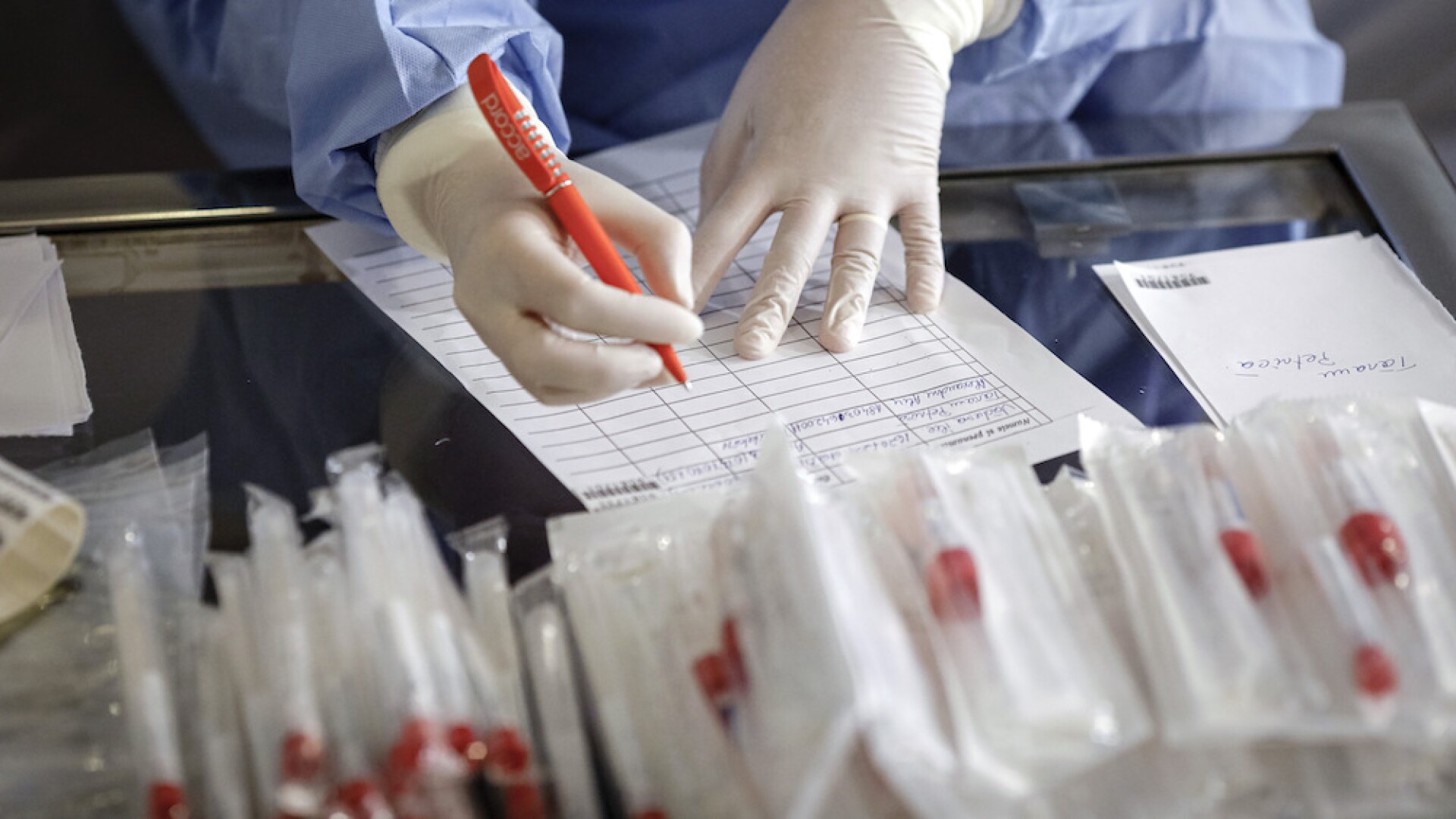
The study will require participants to mail a nasal swab of children and their caregivers every two weeks. The caregiver will also fill out a questionnaire on symptoms, social distancing practices and exposure to people who are sick.
Justin Boggs is a writer for the E.W. Scripps National Desk.Follow him on Twitter @jjboggs or on Facebook .
