


NOAA: Path to recovery of ozone layer hits ‘significant milestone’
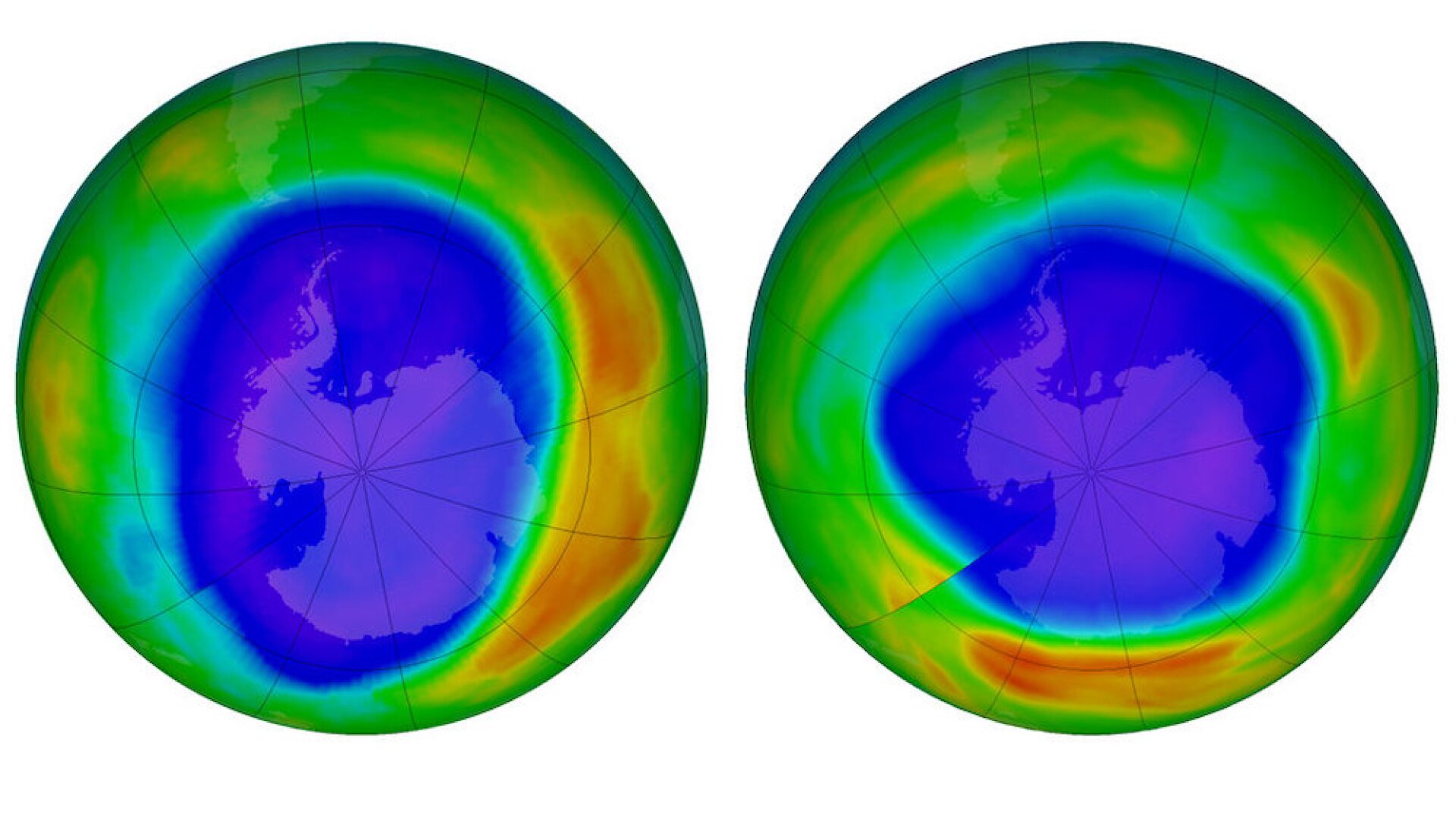
Not all hope is lost when it comes to Earth’s ozone layer.
For years, environmentalists feared that irreparable damage had been inflicted on the ozone layer, which protects Earth from the sun’s harmful rays.
Well, new research from the National Oceanic and Atmospheric Administration (NOAA) can put some fears to rest as the agency announced that the path to the recovery of the ozone layer had passed a significant milestone.
“An annual analysis tracking the decline of ozone-depleting chemicals shows the levels of these harmful chemicals have significantly dropped, reaching a milestone in the recovery of the ozone layer,” the agency said.
In the 1980s, scientists discovered that man-made chemicals were damaging the ozone layer, the agency said.
According to the BBC, in 1987, world leaders came together to ban ozone-depleting chemicals.
Now, 34 years later, the agency said the ozone layer has healed by 50%.
“It’s great to see this progress,” said Stephen Montzka, senior scientist for NOAA’s Global Monitoring Laboratory, in a press release. “At the same time, it’s a bit humbling to realize that science is still a long way from being able to claim that the issue of ozone depletion is behind us.”
Concentrations over Antarctica have also declined, but at a slower pace, decreasing by 26% from peak values in the 1990s, the agency said.
The agency said projections of the Antarctic ozone layer recovering could happen “sometime around 2070.”
