


One of the largest ozone holes ever recorded just closed — but COVID-19 probably isn’t the cause
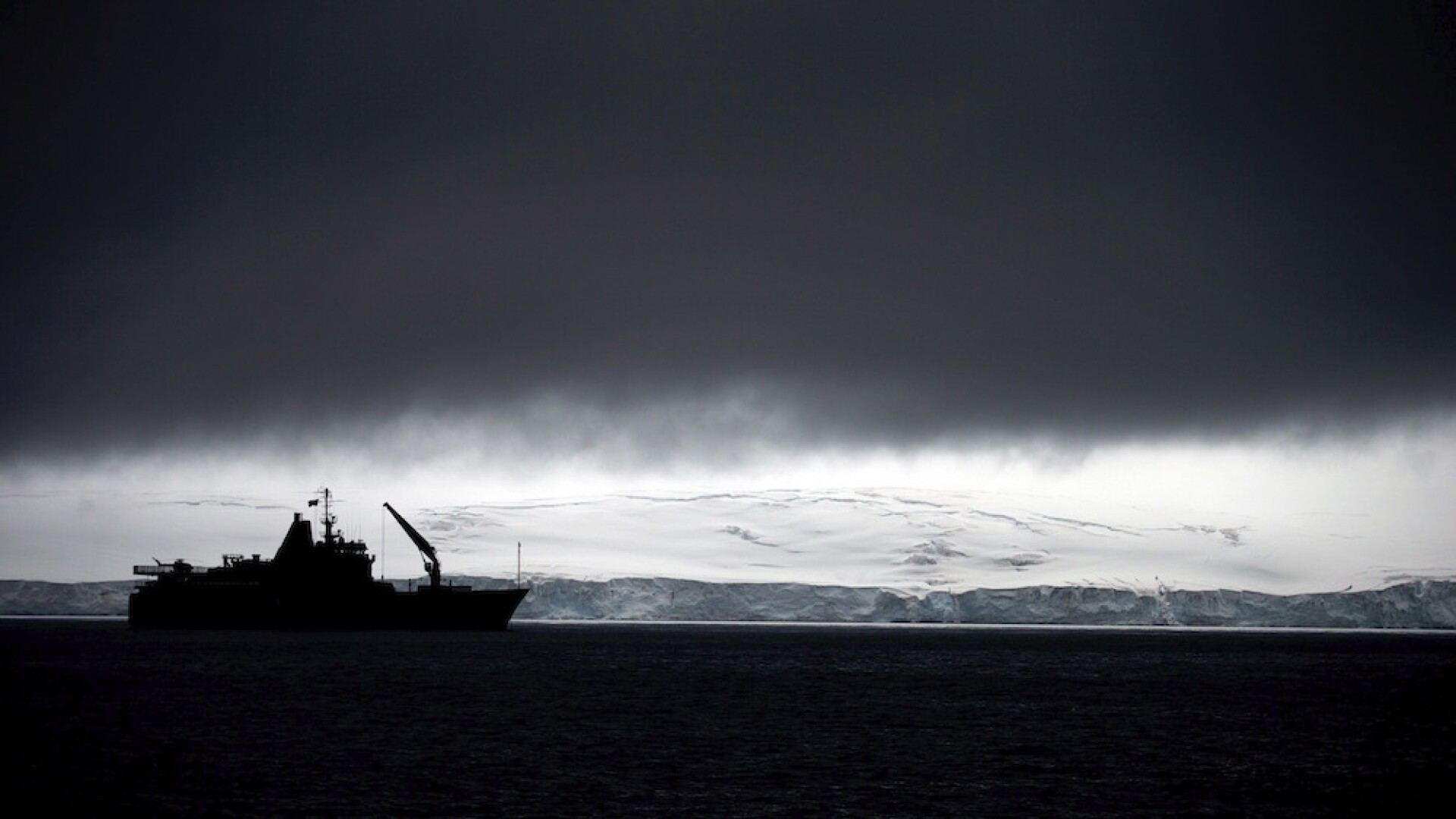
Scientists say a giant ozone hole, one of the largest ever recorded, has closed just weeks after it formed over the Arctic. And while pollution levels are down worldwide amid the coronavirus pandemic, scientists say shutdowns likely had little, if anything, to do with the hole’s disappearance.
According to CNN, scientists with the Copernicus’ Atmospheric Monitoring Service (CAMS) have been monitoring the ozone hole since it was discovered in March. The group reported that ozone levels in the Arctic were “nearly depleted.” CNN reports that the last time ozone levels that low had been detected in the Arctic was nearly a decade ago.
But last week, CAMS reported that the “unprecedented 2020 northern hemisphere #OzoneHole has come to an end.” The group said that a strong polar vortex had kept ozone gas from entering the atmosphere has slackened.
“Actually, COVID19 and the associated lockdowns probably had nothing to do with this,” the group tweeted Sunday.
Ozone gas (O3) exists about 11 miles above the Earth’s atmosphere in the stratosphere. That layer protects the planet from harmful ultraviolet radiation from the sun. Without ozone, the UV rays enter the Earth’s atmosphere and become trapped due to the greenhouse effect.
The unprecedented 2020 northern hemisphere #OzoneHole has come to an end. The #PolarVortex split, allowing #ozone-rich air into the Arctic, closely matching last week’s forecast from the #CopernicusAtmosphere Monitoring Service.
More on the NH Ozone hole➡️https://t.co/Nf6AfjaYRipic.twitter.com/qVPu70ycn4
— Copernicus ECMWF (@CopernicusECMWF) April 23, 2020
