


Plane crashes in eastern Russia, 28 people feared dead
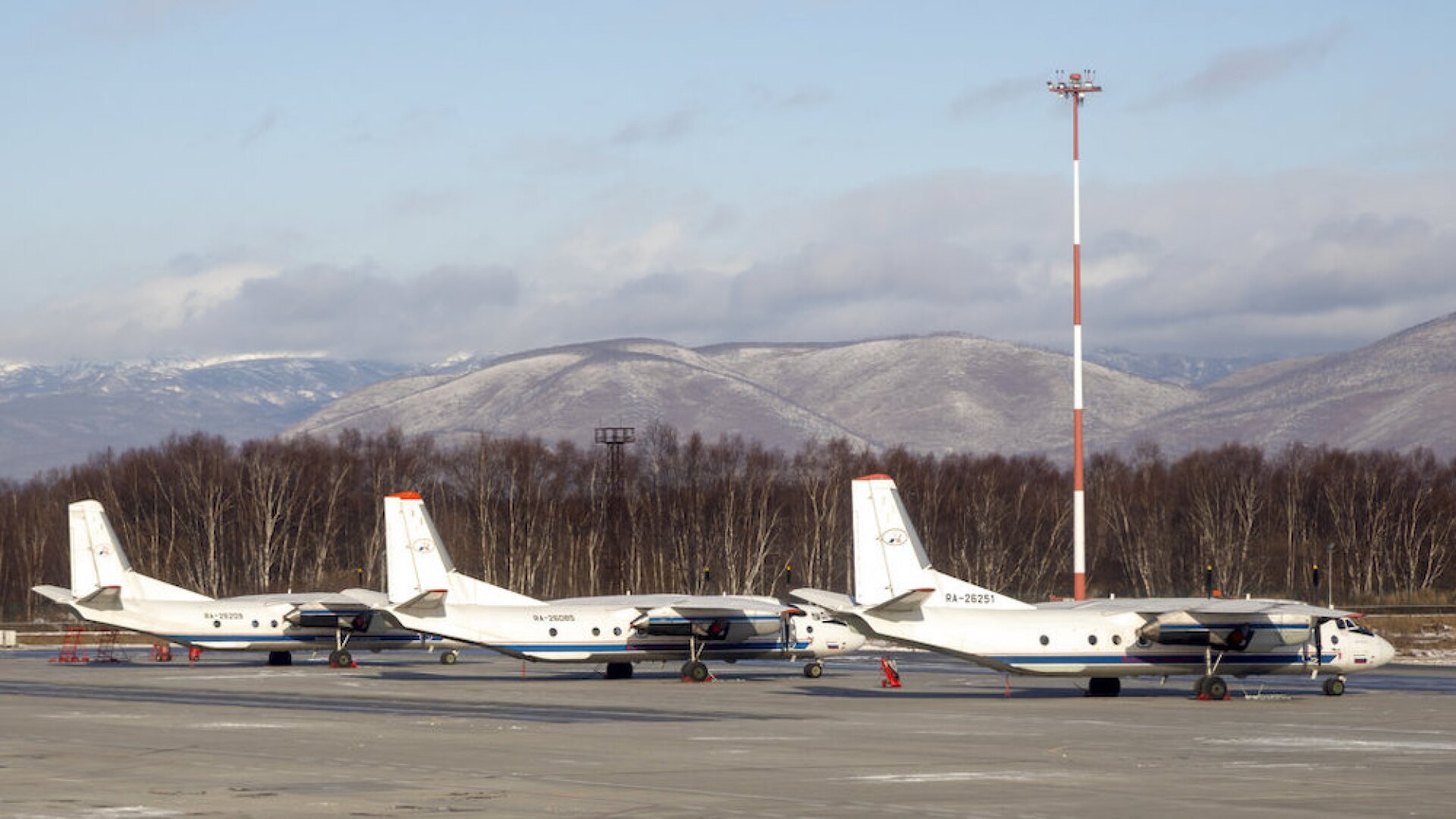
MOSCOW — Officials say wreckage from a plane carrying 28 people that went missing was found a few miles from the airport in Russia’s Far East where it was supposed to land.
Everyone aboard was feared dead.
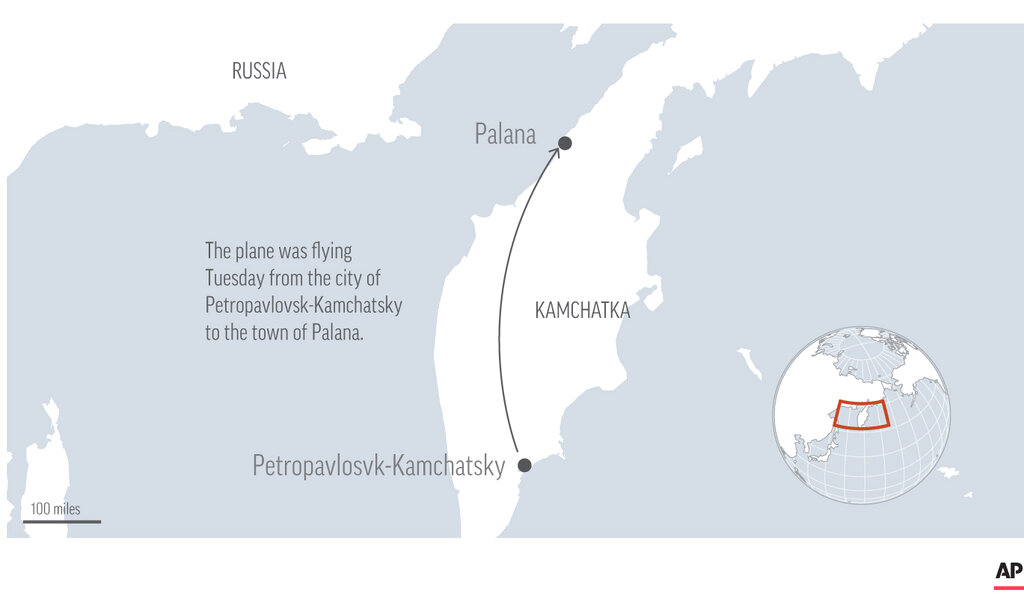
Officials said the Antonov An-26 plane was on approach Tuesday for a landing in bad weather when it missed a scheduled communication and disappeared from radar.
It was heading to the airport in the town of Palana.
Russia’s state aviation agency said that parts of the plane were found about 3 miles from the airport’s runway, near the coast line.
Sergei Gorb, deputy director of Kamchatka Aviation Enterprise, said that the plane “practically crashed into a sea cliff,” which wasn’t supposed to be in its landing trajectory.
Russia’s Pacific Fleet told news agencies that part of the fuselage was found on the side of a mountain and another part was floating in the Okhotsk Sea.
According to Reuters, the mayor of Palana, Olga Mokhireva, was aboard the plane.
Reuters also reports that the aircraft was a Soviet-era plane, a model that has been involved in “dozens of deadly crashes” in the last 50 years.
.Page-below > .RichTextModule {display:none;} .Page-below .Link {font-size: 12px; padding: 5px 10px;border: 1px solid #005687;border-radius: 4px;font-family: “proxima-nova”, sans-serif; }
