


Scientists: Grizzlies expand turf but still need protection
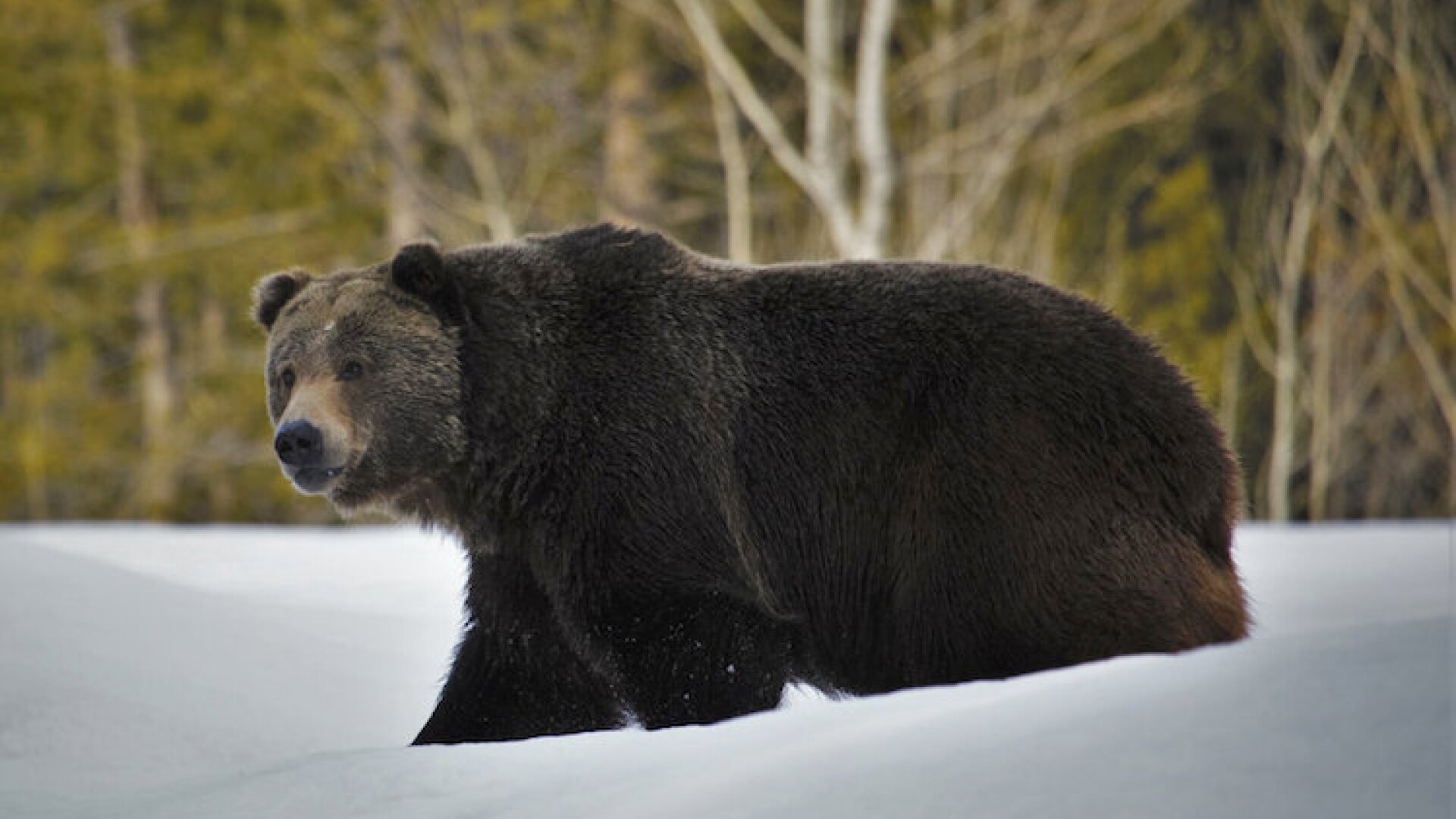
BILLINGS, Mont. (AP) — Grizzly bears are slowly expanding the turf they roam in the northern Rocky Mountains but scientists say they need continued protection.
They have also concluded that no other areas of the country would be suitable for the fearsome animals.
The Fish and Wildlife Service on Wednesday released its first assessment in nearly a decade on the status of grizzly bears in the contiguous U.S.
The bruins are shielded from hunting as a threatened species except for in Alaska.
Grizzly populations grew over the last 10 years in the Yellowstone region and around Glacier National Park.
According to The Associated Press, there are more than 700 grizzlies in the Yellowstone region of Wyoming, Montana, and Idaho. There are more than 1,000 bears at Glacier National Park in Montana.
Scientists are focusing on bolstering existing populations and not on reintroducing bears elsewhere.
