


Thousands of Amazon warehouse employees to vote on whether to form retailer’s first US union
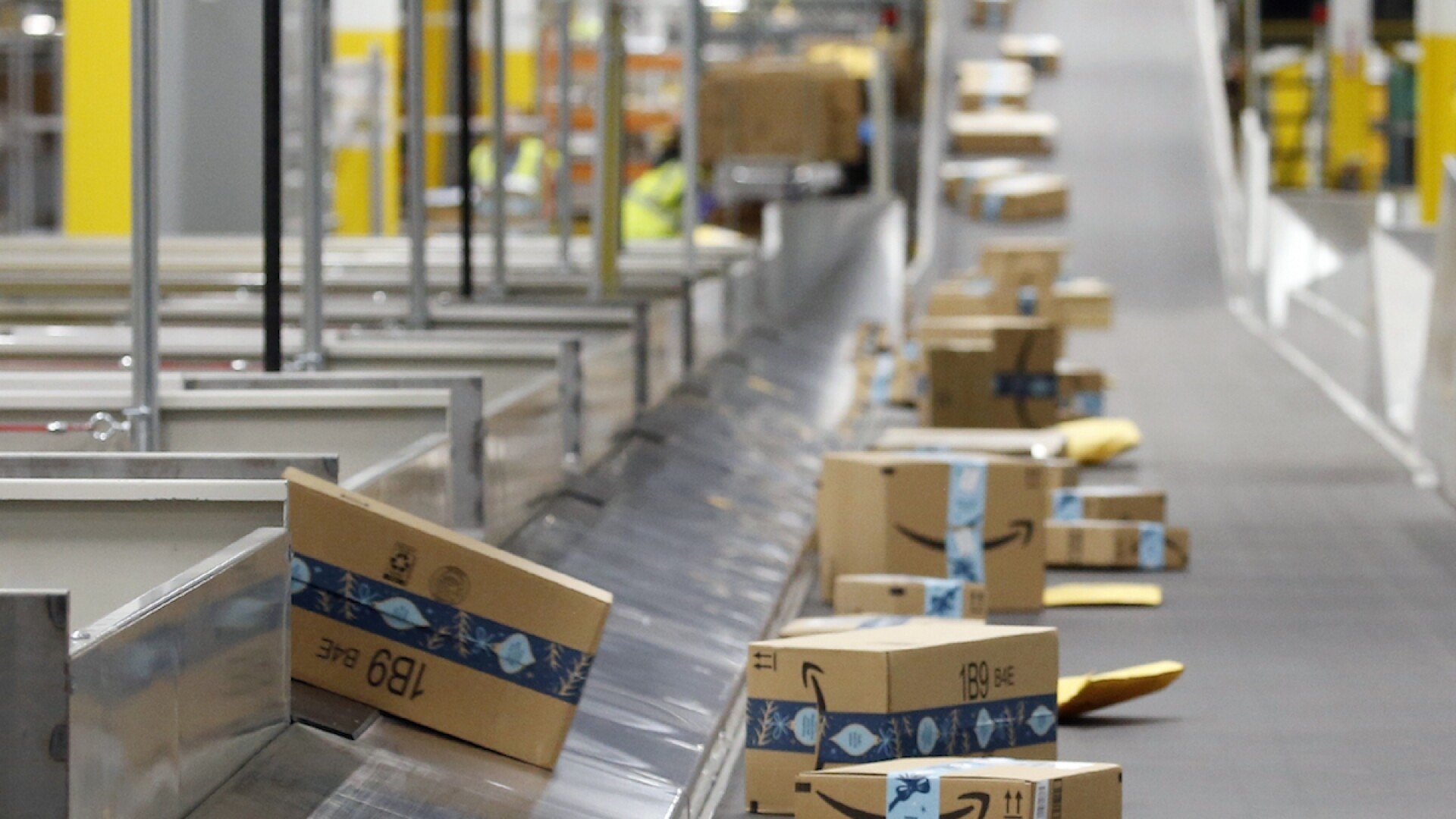
Thousands of workers at an Amazon facility in Alabama will begin voting in February on whether to unionize. If the effort succeeds, it would be the first U.S.-based union for the online retailer.
About 6,000 warehouse workers are eligible to participate in the vote starting Feb. 8, according to the National Labor Relations Board. Voting will remain open until March 29.
The workers are voting on whether to become part of the Retail, Wholesale and Department Store Union. Workers at the Alabama facility first filed a notice in November about holding an election, according to NPR.
Amazon has hired hundreds of thousands of workers around the world to keep up with surges in demand during the coronavirus pandemic. Online shopping and delivery services have seen spikes since stay-at-home orders and other health recommendations have kept people away from in-person retail locations.
The surge in popularity has also come with increased scrutiny of working conditions. CNN reports that a number of warehouse workers at Amazon have spoken out about safety concerns since the start of the pandemic.
Union supporters say having a union at Amazon would give them the ability to collectively bargain over working conditions, safety standards, training, breaks, pay and benefits.
Those eligible to vote include part-time, full-time and seasonal employees. The vote will be conducted by mail-in ballot rather than in-person because of the coronavirus pandemic.
