


U.S. Doctors test blood thinners on COVID-19 patients
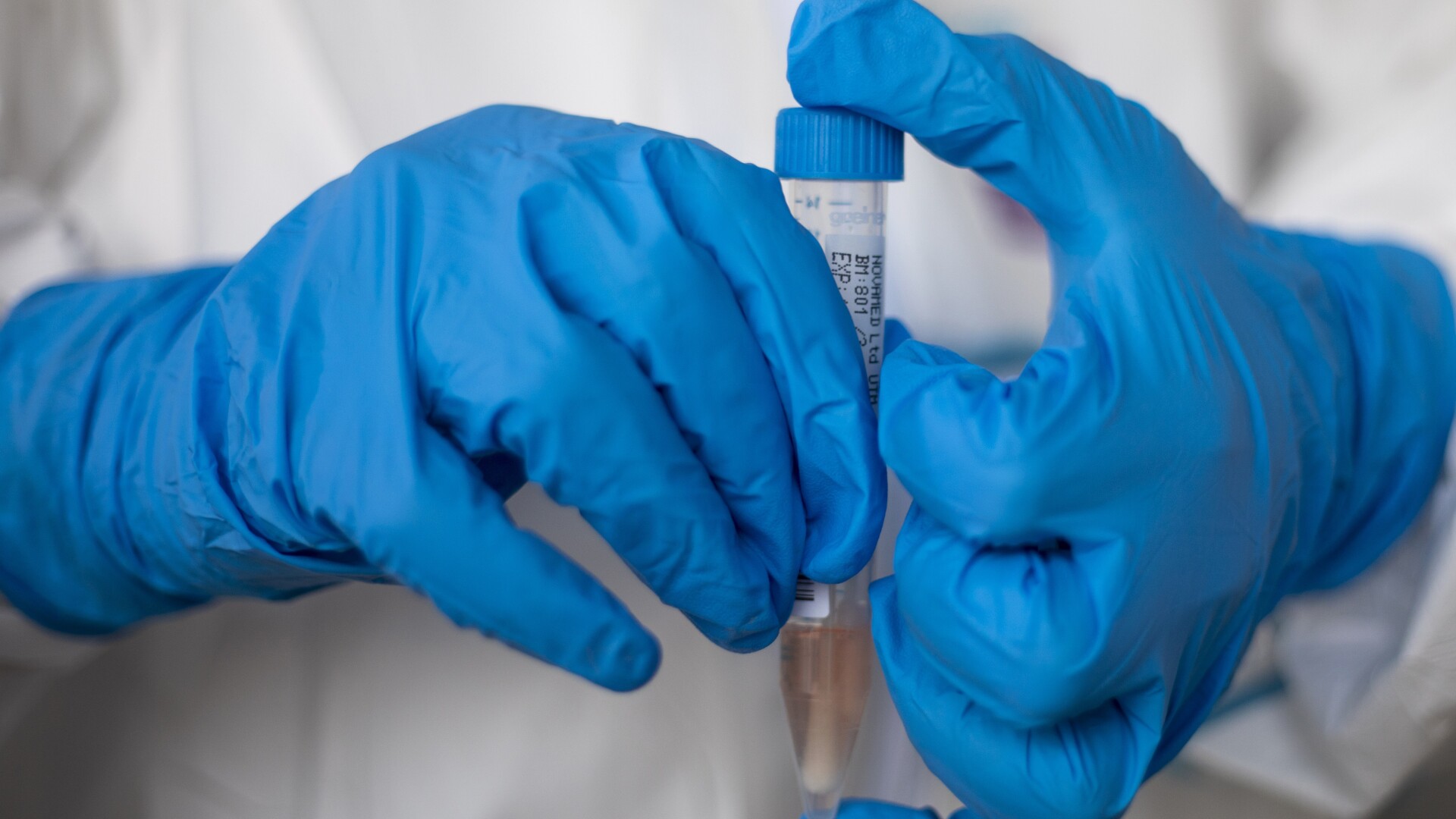
WASHINGTON — U.S. health officials have started two new studies to test various blood thinners to try to prevent strokes, heart attacks, blood clots and other complications in COVID-19 patients.
Doctors increasingly are finding blood clots throughout the bodies of many people who died from COVID-19 along with signs of damage they do to kidneys, lungs, blood vessels, the heart and other organs.
National Heart, Lung and Blood Institute Director Gary Gibbons says that hospitals have been giving seriously ill patients anti-clotting drugs to try to prevent this, but “quite frankly, we didn’t know how best to treat it” in terms of which drugs or doses to use and at what stage of illness.
The National Institutes of Health will coordinate a study in hospitalized patients comparing low and regular doses of the blood thinner heparin. The study will involve more than 100 sites around the world participating in a research effort with various governments, drug companies, universities and others to speed coronavirus therapies.
A second study in COVID-19 patients not sick enough to need hospitalization will test various strategies against placebo pills: baby aspirin or low or regular doses of the anti-clotting drug apixaban, sold as Eliquis in the United States. The goal there is preventing blood clots or hospitalization.
A third study starting later will test blood thinners for people who have recovered and no longer test positive for the coronavirus. Evidence is building that they may remain at higher risk for blood clots.
