


UK to infect healthy volunteers with coronavirus in vaccine research trial
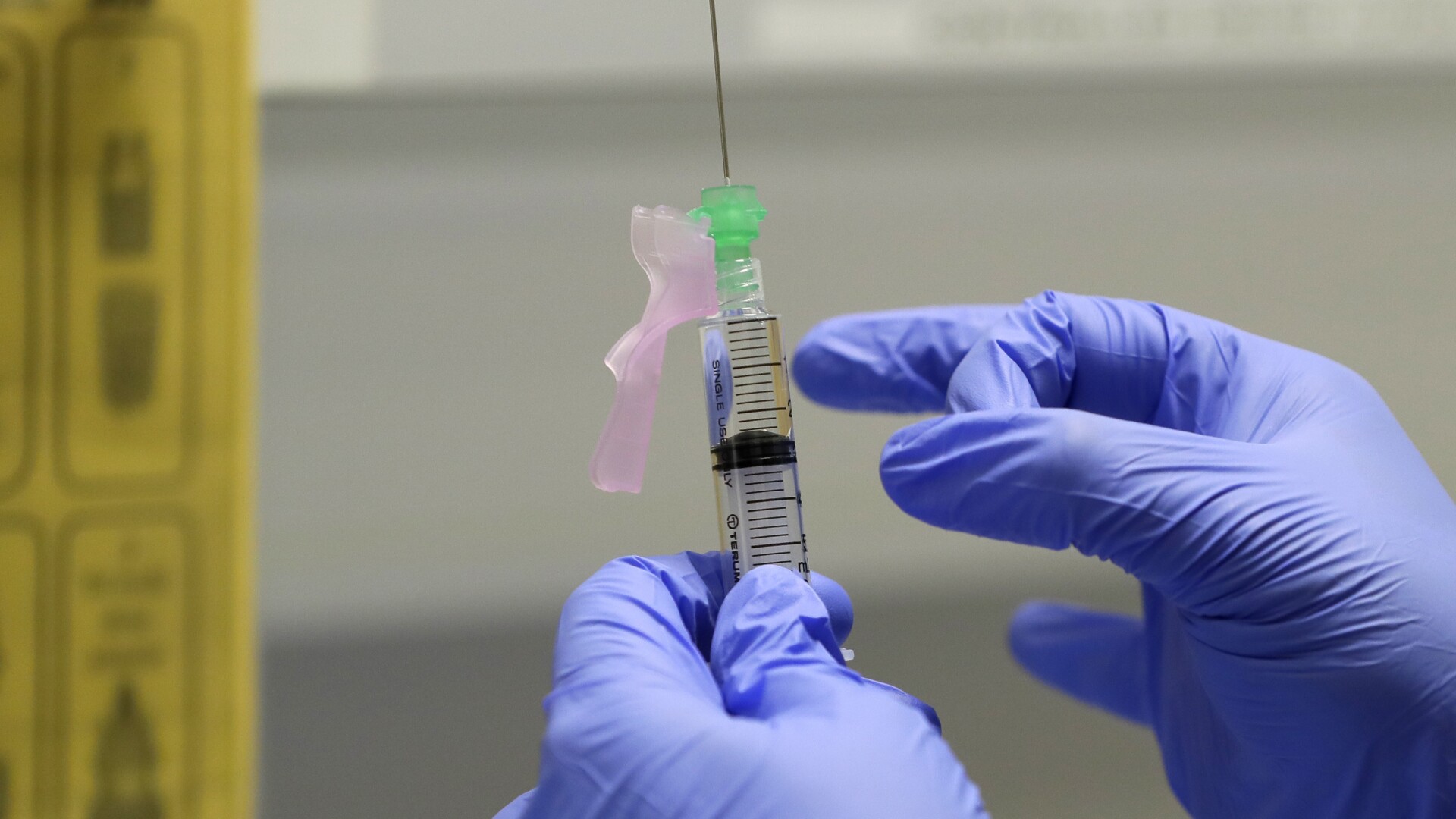
The United Kingdom says it will be the first to conduct COVID-19 vaccine human challenge trials.
It’s different than other vaccine studies. People will be deliberately infected with the virus, which speeds up the research process.
Pending approval, the process will start in January at a London hospital. It will require about 90 healthy young adults between the ages of 18 and 30.
The group 1 Day Sooner has recruited from all over the world, including 3,000 Britons.
“If the vaccine works, then ideally, people don’t get infected and if people do, then they will be closely monitored and treated, but because these are young and healthy people taking part in the trial, I think, researchers feel comfortable doing so because the risks of death are on par with something like kidney donation for people who are young and healthy,” said Abie Rohrig with 1 Day Sooner.
Before researchers test the vaccine, they’ll do a characterization study. That’s where volunteers are infected by getting a vaccine to determine the right amount of virus to give during the trial.
Because of the risk, 1 Day Sooner is advocating for the entire process to be made public.
Results could come in May. Even though that’s likely after other COVID-19 vaccines are licensed, it’s still important because we need billions of doses and because of the unique data human challenge trials provide.
“Researchers can understand how the virus works in the human body. They can understand the biological markers of immunity. In fact, much of our understanding of other types of coronaviruses come from challenge studies that were conducted in the 1960s in Britain,” said Rohrig.
Human challenge volunteers are paid and monitored for at least a year after.
