


WHO honors Henrietta Lacks, woman whose cells served science
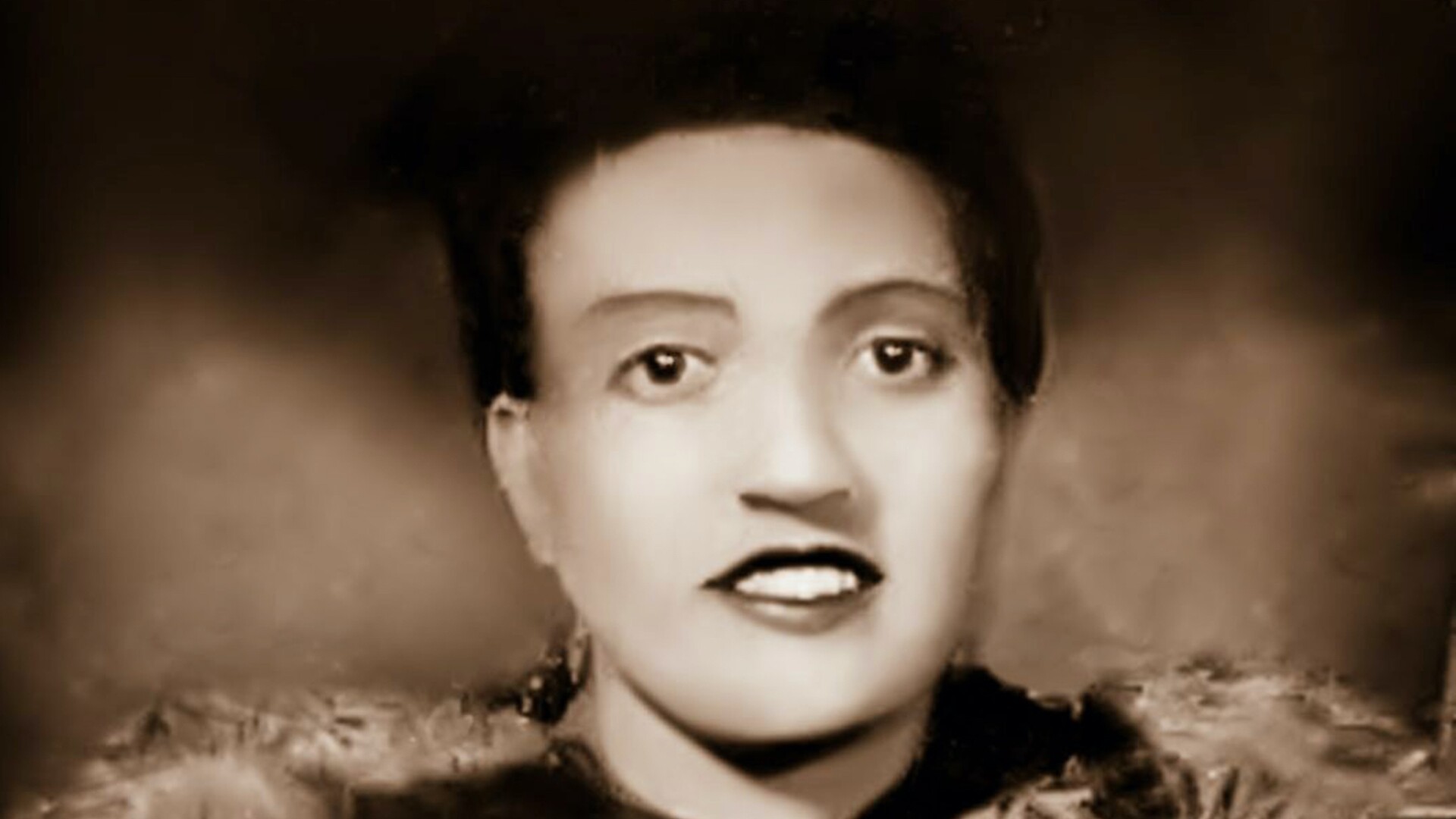
GENEVA (AP) — The chief of the World Health Organization has honored the late Henrietta Lacks, an American woman whose cancer cells ended up providing the foundation for vast scientific breakthroughs.
Her cells became the first “immortal” cell line and have allowed for incalculable scientific breakthroughs such as the human papillomavirus (HPV) vaccine, the polio vaccine, drugs for HIV and cancers, and most recently, critical COVID-19 research.
The recognition from WHO Director-General Tedros Adhanom Ghebreyesus on Wednesday came more than a decade after the publication of “The Immortal Life of Henrietta Lacks.”
Rebecca Skloot’s book chronicled the discrimination in health care Black Americans faced when Lacks developed cervical cancer, the life-saving innovations made possible by her cells and her family’s legal fight over their unauthorized use.
“What happened to Henrietta was wrong,” Tedros said during a special ceremony at WHO Geneva headquarters.
The WHO Director-General’s award was received at the WHO office by Lawrence Lacks, Henrietta Lacks’ 87-year-old son. He is one of the last living relatives who personally knew her.
“In honoring Henrietta Lacks, WHO acknowledges the importance of reckoning with past scientific injustices, and advancing racial equity in health and science,” said Tedros. “It’s also an opportunity to recognize women, particularly women of color, who have made incredible but often unseen contributions to medical science.”
.Page-below > .RichTextModule {display:none;} .Page-below .Link {font-size: 12px; padding: 5px 10px;border: 1px solid #005687;border-radius: 4px;font-family: “proxima-nova”, sans-serif; }
