


WHO opts not to declare monkeypox a ‘public health emergency’
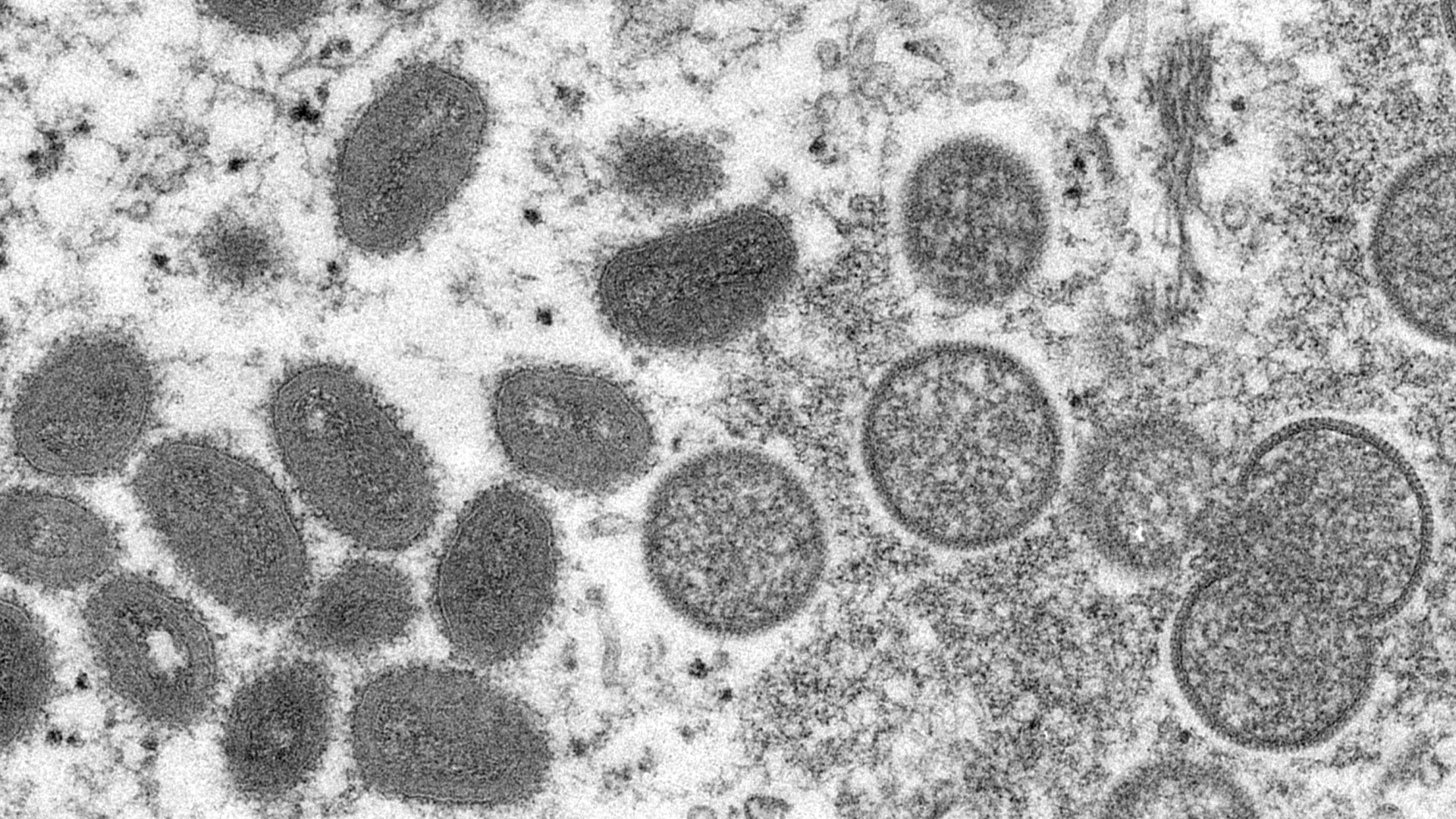
The World Health Organization decided on Saturday not to declare the ongoing monkeypox outbreak as a “public health emergency of international concern” following an emergency committee meeting.
The World Health Organization said cases of monkeypox have been reported in 50 countries. WHO Director-General Dr. Tedros Adhanom Ghebreyesus said he is deeply concerned about the spread of monkeypox.
“This is clearly an evolving health threat that my colleagues and I in the WHO Secretariat are following extremely closely,” he wrote in a statement. “It requires our collective attention and coordinated action now to stop the further spread of monkeypox virus using public health measures including surveillance, contact tracing, isolation and care of patients, and ensuring health tools like vaccines and treatments are available to at-risk populations and shared fairly.”
The Centers for Disease Control and Prevention said the risk of monkeypox in the United States to the public is low, but you should avoid contact with others if you develop an unexplained skin rash.
Typical symptoms of monkeypox include a rash, fever, malaise, headache and muscle aches.
The CDC said there have been 200 monkeypox cases reported in the United States in 2022. The United Kingdom leads the world with 910 reported cases.
While monkeypox has been spreading through Africa for some time, Dr. Tedros said his concerns are due to the virus circulating in areas that generally don’t have cases.
“What makes the current outbreak especially concerning is the rapid, continuing spread into new countries and regions and the risk of further, sustained transmission into vulnerable populations including people that are immunocompromised, pregnant women and children,” he said.
.Page-below > .RichTextModule {display:none;} .Page-below .Link {font-size: 12px; padding: 5px 10px;border: 1px solid #005687;border-radius: 4px;font-family: “proxima-nova”, sans-serif; }
