


WHO recommends name change for monkeypox
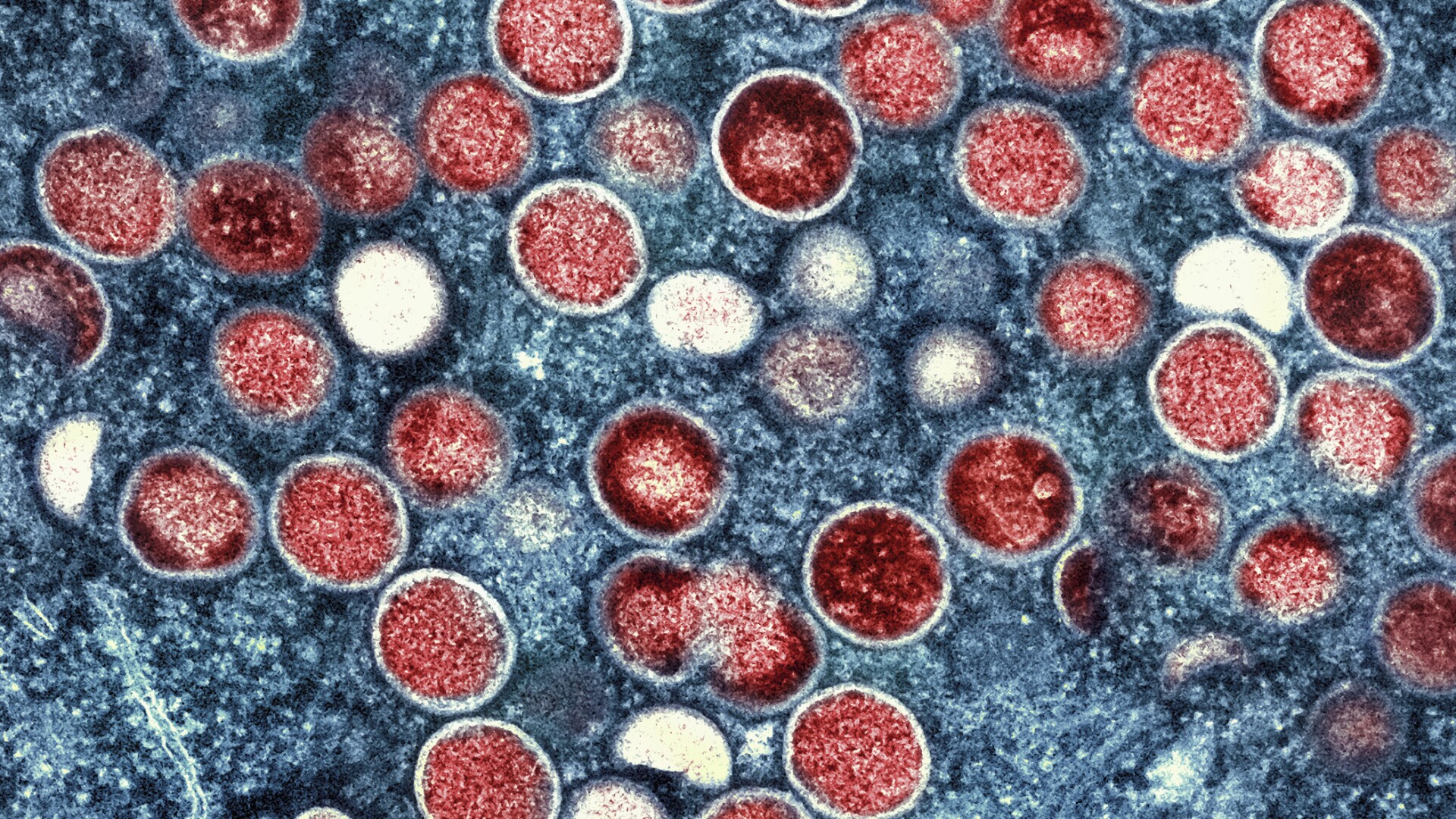
The World Health Organization (WHO) is recommending a name change for monkeypox. It says the organization will now refer to the virus as “mpox” and phase out the use of monkeypox after one year.
WHO said it decided to recommend the name change after getting reports of racist and stigmatizing language in communities and online.
WHO created a “best practices” guide for name diseases in 2015. However, monkeypox was given its name in 1970.
The organization says names of diseases should “aim to minimize unnecessary negative impact of names on trade, travel, tourism or animal welfare, and avoid causing offence to any cultural, social, national, regional, professional or ethnic groups.”
According to the Centers for Disease Control (CDC), there have been more than 80,000 cases of monkeypox reported in the 2022 outbreak. Approximately 30,000 of those cases were reported in the U.S., the CDC notes.
Monkeypox is spread through close or direct contact with an infected individual.
People with monkeypox typically develop a painful rash that may look like pimples or blisters.
.Page-below > .RichTextModule {display:none;} .Page-below .Link {font-size: 12px; padding: 5px 10px;border: 1px solid #005687;border-radius: 4px;font-family: “proxima-nova”, sans-serif; }
