


INDIANAPOLIS — The U.S. and Iran conflict is causing diesel fuel prices to skyrocket to around $5 a gallon at many gas stations. The increase is impacting farmers and trucking companies, which experts say will likely mean paying even more at the grocery store.
WATCH FULL STORY BELOW
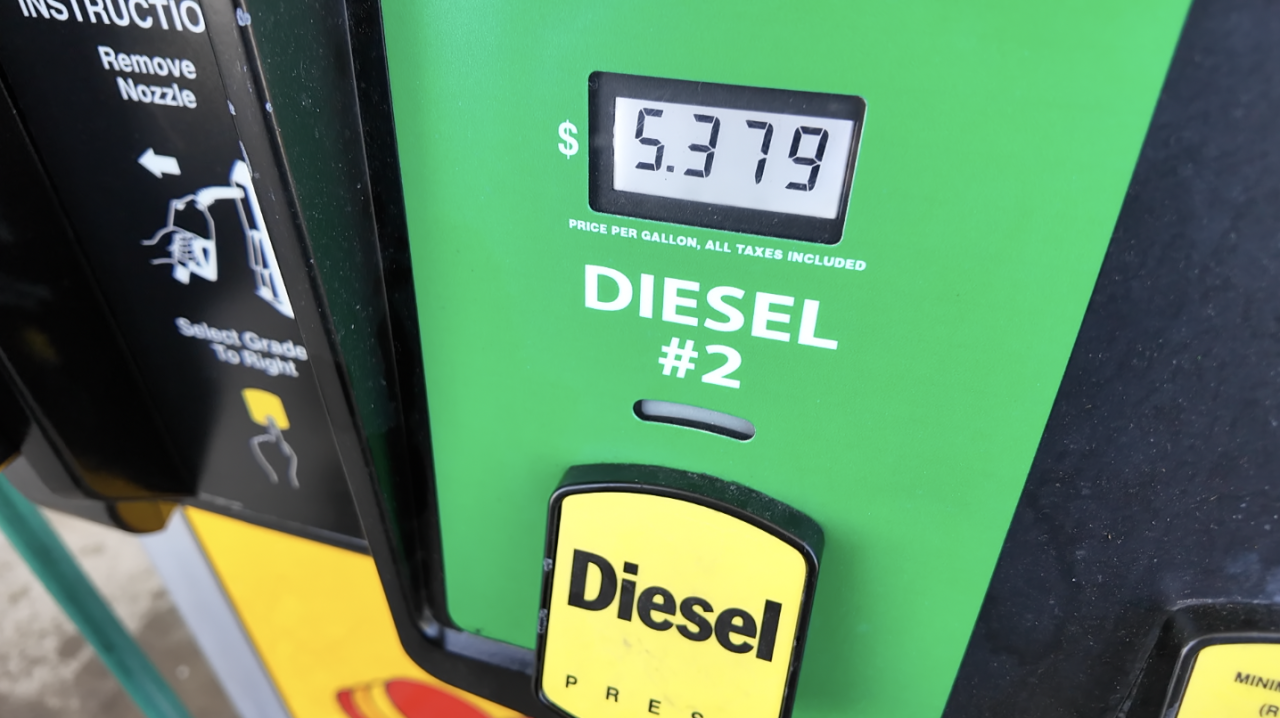
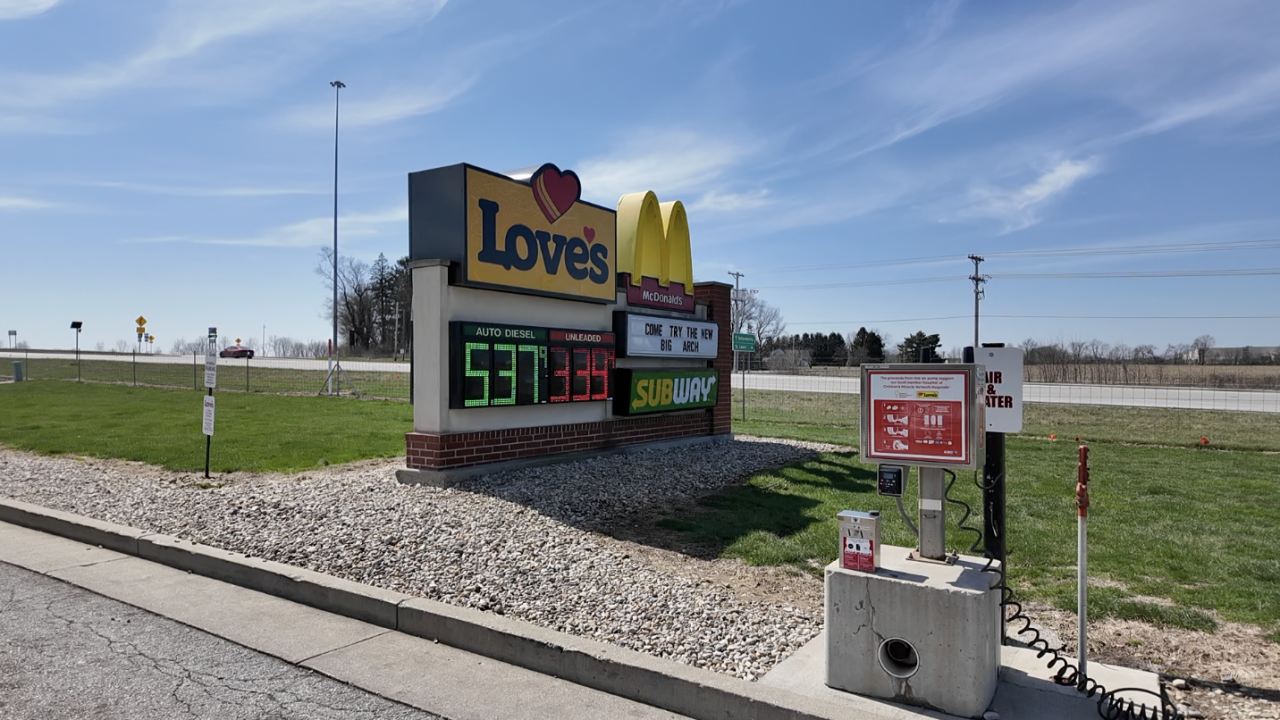
On Wednesday, AAA reported the average price of diesel in Indiana was $4.94 a gallon. At a truck stop off I-70 near the Brock Family Farm, diesel was $5.37 a gallon.
Katie Brock is a fourth-generation farmer in Stilesville, Indiana.
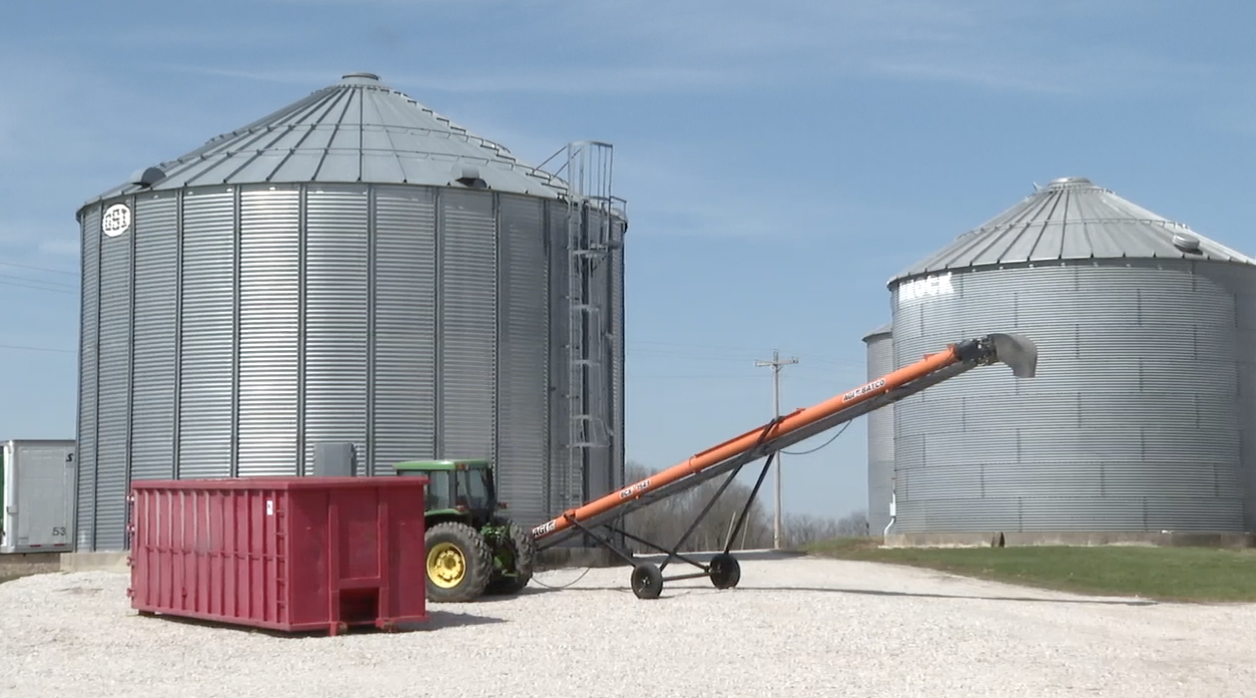
"The place we're standing here, my great-grandfather bought in 1962 with my great-grandmother and started Brock Family Farms. It means that we're carrying on a family legacy. It's a huge blessing to be able to do this," Brock said.
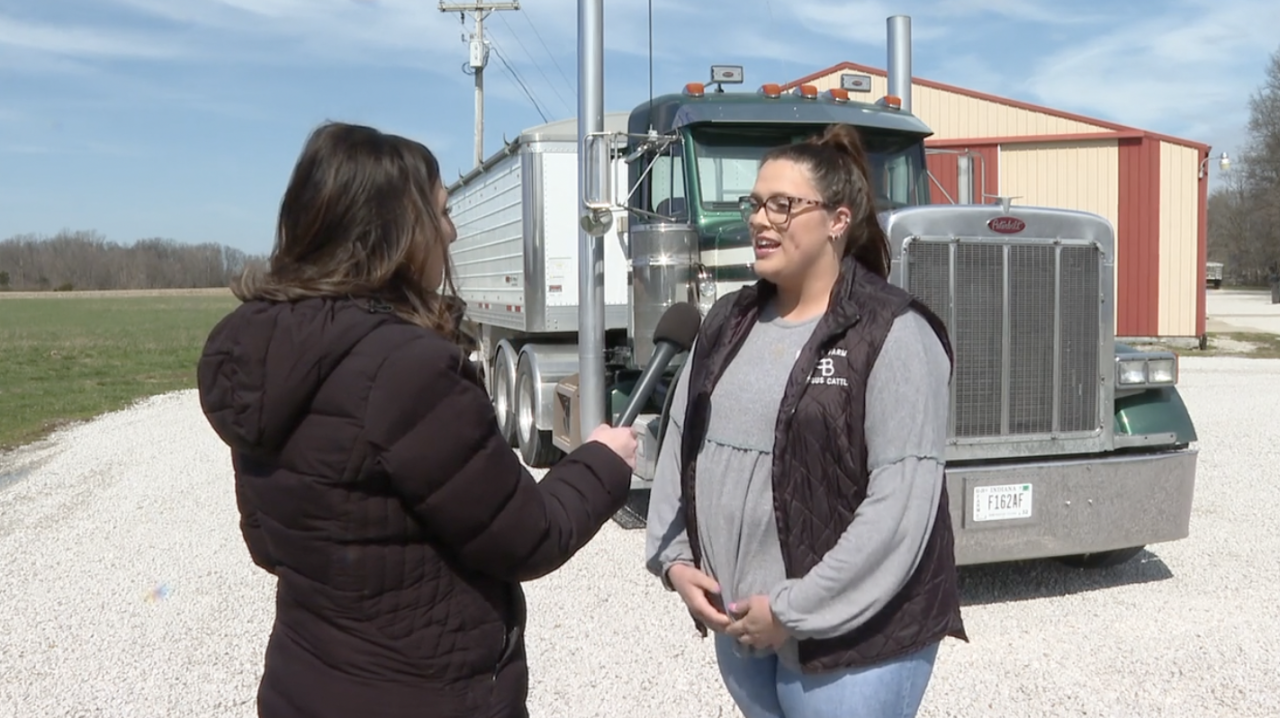
But Brock says prices this high are making margins tight.
"So, the rising cost of diesel, we are accustomed to higher fuel prices as we come into the spring. People are coming out of hibernation, if you will, and getting back out on the road and going to do things," Brock said. "It does make margins a little bit tight, but we've been operating in tight margins for a few years here, and it might make our profits a little bit shorter, but we're ready for it."
Michael Negron is a senior fellow with the Center for American Progress, a nonpartisan policy institute focused on affordability.
"Farmers are certainly the front line of this because they're the ones who are initially getting hit by the price of this war, which is higher fertilizer and higher diesel prices," Negron said.
He says we are seeing the largest spike in gas prices in more than 20 years.
"The last time we saw anything on the scale that we're seeing now was after Hurricane Katrina," Negron said. "Nationally, a 90% increase in gas prices over the last four weeks, more than $1 in Indiana."
Negron says we will start to see logistics companies adding fuel surcharges, like FedEx recently announced.
"Last week, the Energy Department released a report predicting that it would be mid to late 2027 before gas prices return to their pre-war levels. This is a major disruption, the International Energy Agency called this the biggest supply shock in the oil market that it's ever seen," Negron said.
Reports indicate the conflict still has the Strait of Hormuz shut down, which is the waterway used to transport about 20% of the world's oil supply. Experts say if the strait does not reopen soon, it could increase gas prices even more.
Brock says the high price of diesel is concerning. With planting season around the corner, she says they are used to global events impacting prices.
"We're ready for it and, and the tractor runs on diesel, whether it's $5 or $2," Brock said.
__
