


INDIANAPOLIS — A front door that locks, a plate to eat from, Wi-Fi. Everyday things we take for granted, that to Sherry Hoffman mean the world.
WATCH FULL STORY BELOW
“I never prepared for it, so I didn’t know how to get out of it. Who prepares to be homeless? Nobody does," Hoffman said.
The 53-year-old did without basic necessities for six years, living on the streets and braving harsh winters.
“I think people need to know the truth about how some of us become and how we are stuck in that way because of our own minds, our own thinking," she said.
Streets to Home Indy offered her a way out.
“Given me back my life. Given me back my life," Hoffman said. “It gives you some sanity back because you lose yourself out there. You lose a big piece of yourself.”
Streets to Home Indy is a community-wide model for ending unsheltered homelessness, focused on rapidly placing individuals into housing with case management and supportive services.
As of March 3, 2026:
- 114 neighbors have been housed and connected with supportive services, including healthcare, mental health appointments, and intensive housing case management
- 98% of housed individuals remained housed and 100% remained connected to supportive services
- Following rapid re-housing efforts, Streets to Home Indy has closed three encampments at the Former Black Mountain, Tyson Site, and Leonard Street. These sites are now being managed to prevent public camping
- Over 90% of unsheltered neighbors said yes to housing and supportive services through Streets to Home Indy
“We’re working in such a targeted and coordinated way with dedicated resources, dedicated teams. That are working with an urgency to make sure that we are rapidly housing people off our streets and getting them into a place of stability," CEO of the Coalition for Homelessness Intervention and Prevention, Chelsea Haring-Cozzi, said.
Haring-Cozzi says what sets Streets to Home apart is its speed.
On average, teams are getting folks from the streets into housing in just 27 days.
In the past, that timeline was closer to 100 to 150 days.
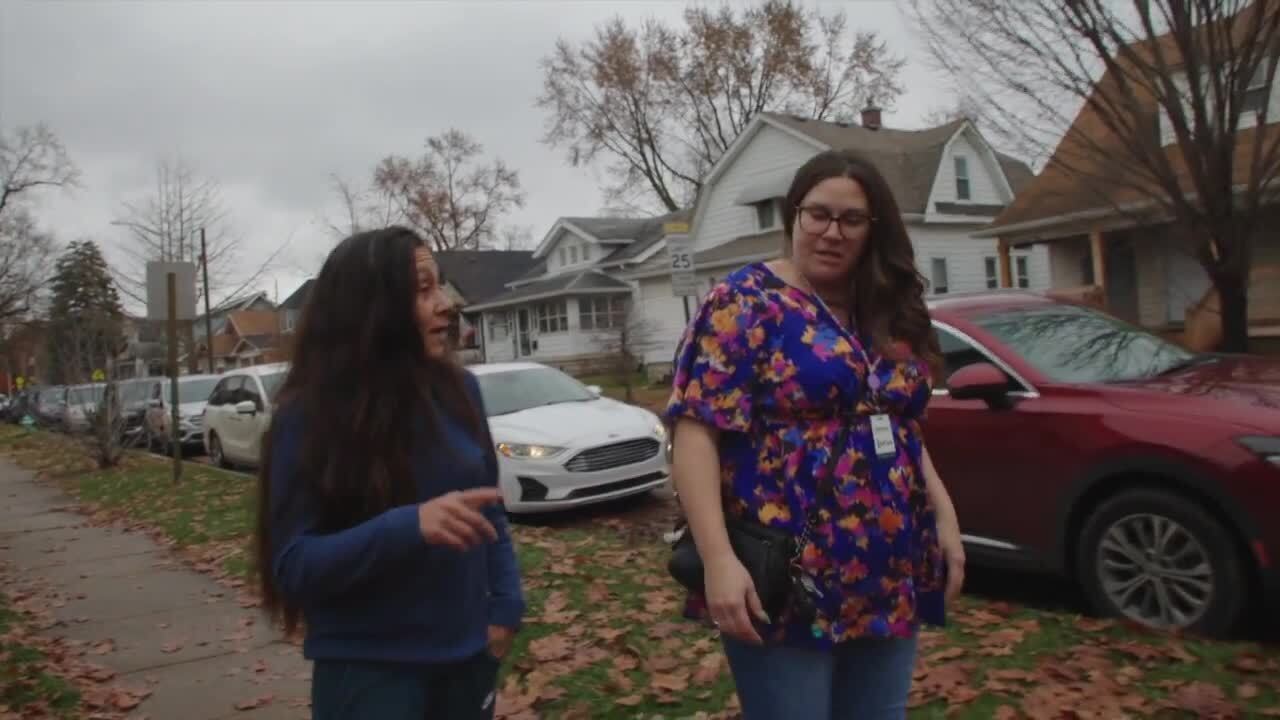
“What this model brings is a level of intensity, coordination among our partners," she said.
Phase 1 is expected to be complete this year. Camp closures will only be announced upon completion.
The $8.1 million initiative is powered by local community investments, including $2.7 million from the City of Indianapolis, $2.7 million from the Housing to Recovery Fund and $2.7 million actively being raised by philanthropic, faith, corporate, and individual donors.
“We are continuing to ramp up the momentum of this work as we go into larger and larger areas. We’re working toward our goal of this summer housing an estimated 300 to 350 individuals who are living unsheltered on the streets of Indianapolis on any given night," Senior Policy Advisor Aryn Schounce said.
Phase 2 is expected to begin in the next 12 to 18 months. During that time, teams will work with local shelter providers to address individuals who are chronically ‘stuck’ in the shelter system and to focus on rapid exit and rapid rehousing from our shelters. The goal is to prevent new street homelessness and expand housing exits from shelters for individuals and families.
—
Nico Pennisi is the In Your Community reporter for Downtown Indy. He joined WRTV in October 2022. His passion has always been telling the stories of people who often get overlooked. Share your story ideas and important issues with Nico by emailing him at nico.pennisi@wrtv.com.
