

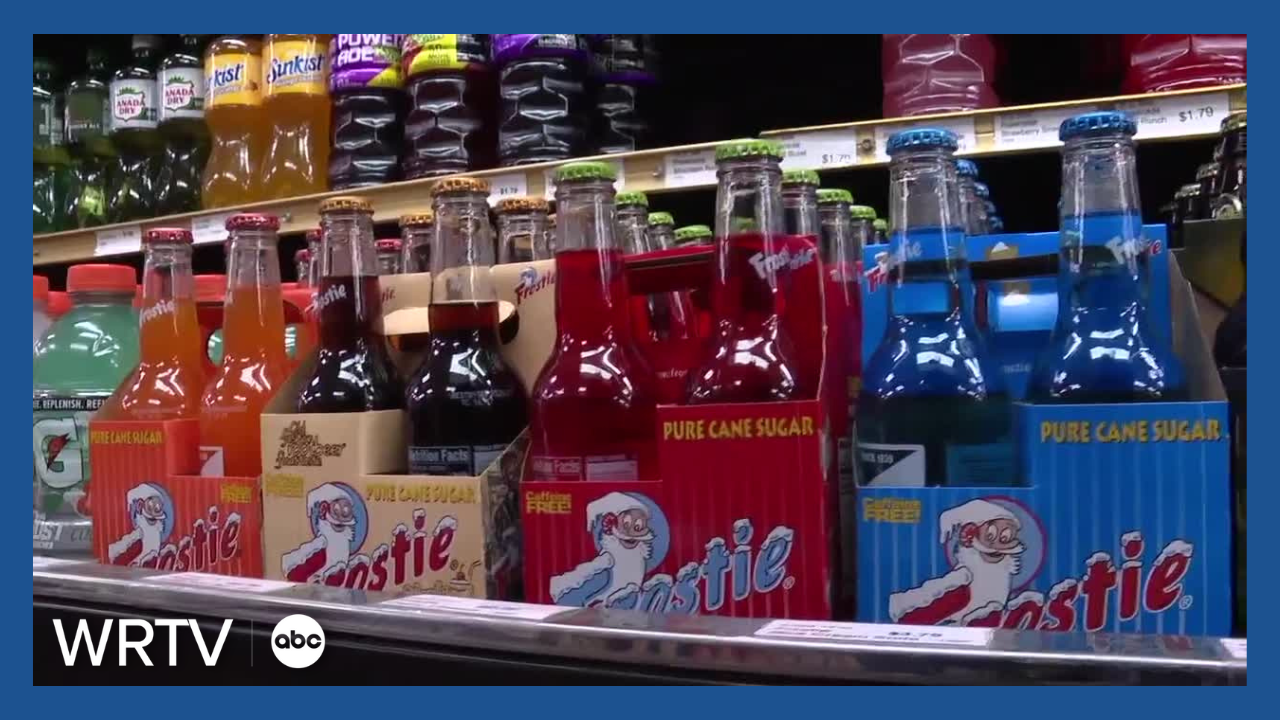


INDIANAPOLIS — Indiana will become one of the first states in the nation to restrict SNAP food stamp purchases of sugary drinks and candy when new rules take effect January 1, 2026.
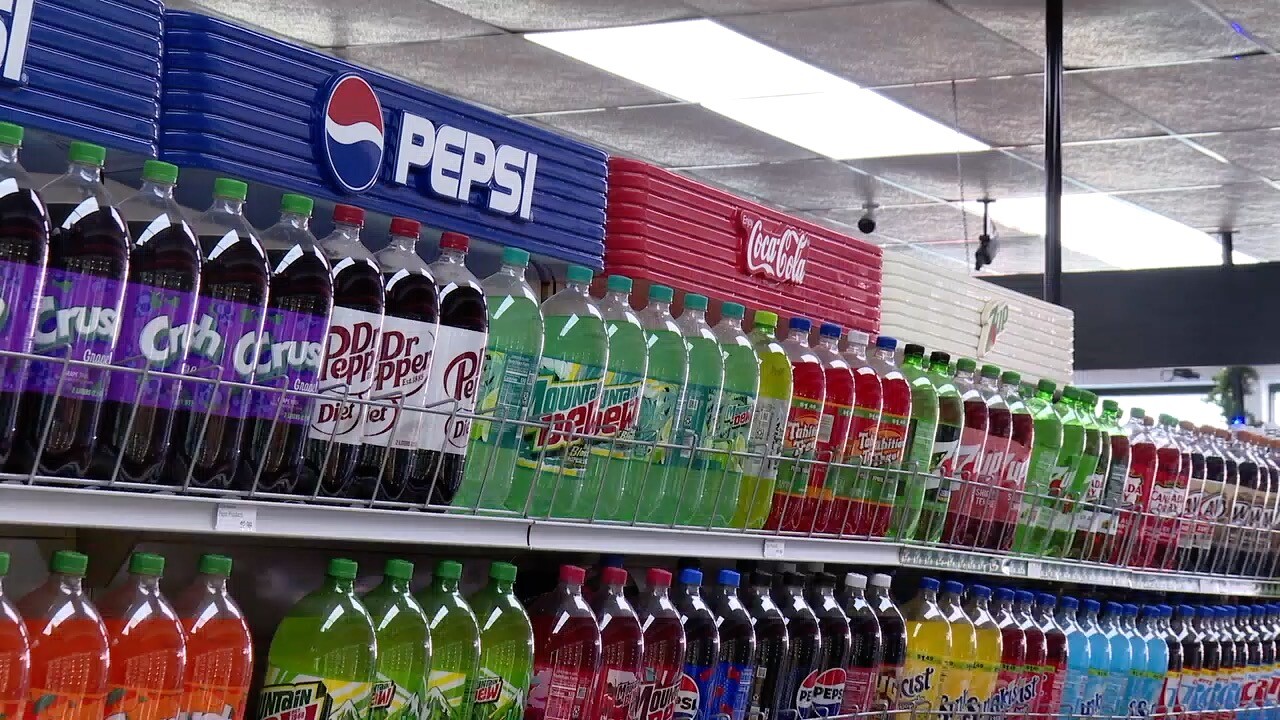
The "Smart SNAP" initiative, launched by the Indiana Family and Social Services Administration, is part of Governor Mike Braun's "Make Indiana Healthy Again" campaign aimed at improving public health outcomes across the state.
Starting New Year's Day, SNAP benefits can no longer be used to purchase sugary drinks or candy at Indiana retailers. The state secured a federal waiver from the USDA to implement the restrictions, with 11 other states following Indiana's lead since the announcement.
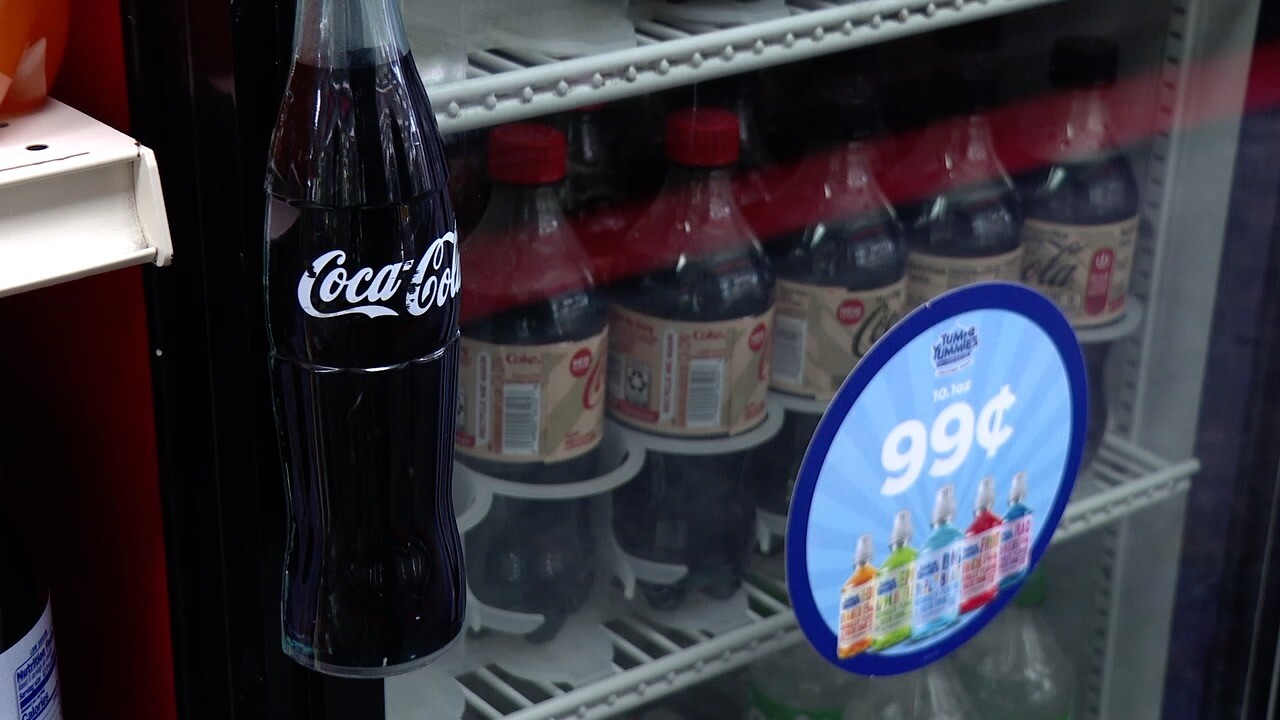
Grocery stores across Indiana are now preparing to adjust their point-of-sale systems to exclude soda and candy from SNAP eligibility.
"There's a little box we have to check for non-foodstampable products, so we'll have to check that," said Shirley Brickert of Value Market, a family-owned grocery store in Mooresville. "I'm afraid some people will be upset when they can't get things, but there's not much we can do about it."

According to state data from FSSA, 66% of adult residents are overweight or obese, while 44% eat fruit less than once daily and 27% consume vegetables less than once daily.
Among children, data shows sixteen percent of WIC toddlers aged 2-4 are overweight and 15% are obese. Additionally, 25% of high school students and 32% of youth aged 10-17 are overweight or obese.
"This isn't the usual top-down, one-size-fits-all public health agenda," Governor Braun said. "We're focused on root causes and taking on the problems in government programs that are contributing to making our communities less healthy."
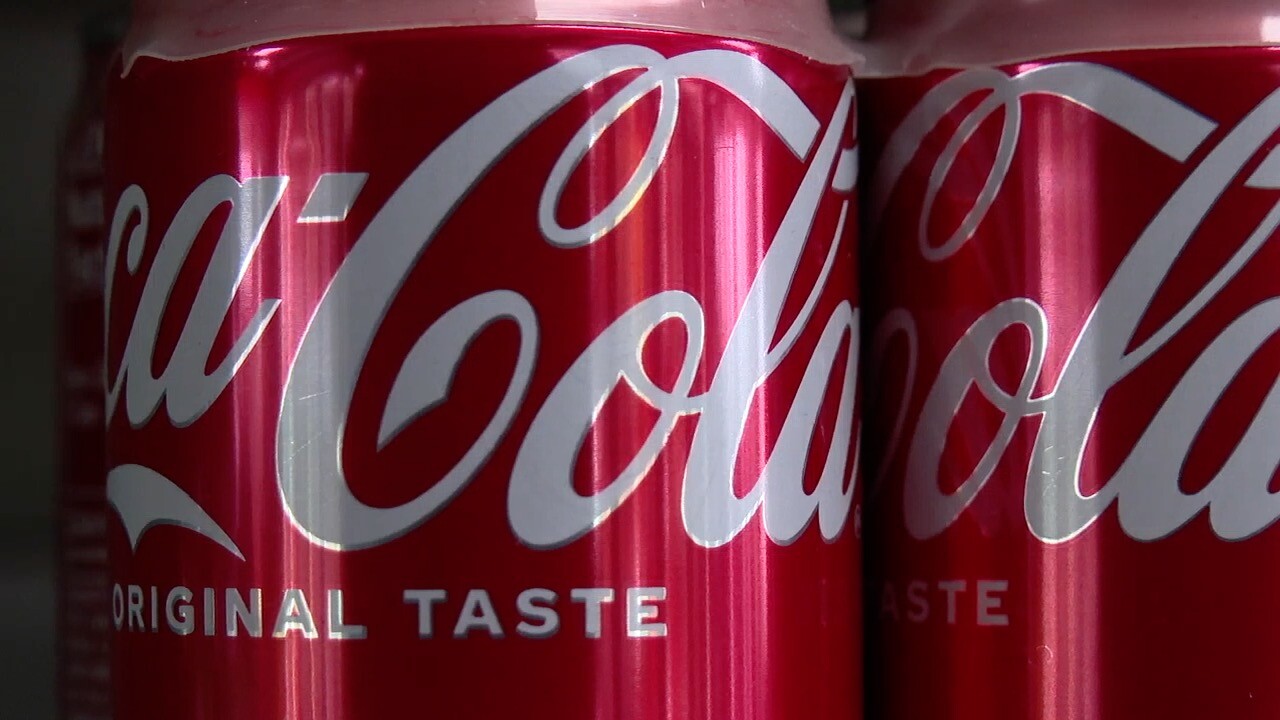
What's Restricted
Under Smart SNAP, two categories of items are banned from SNAP purchases:
- Sugary Drinks: Non-alcoholic beverages containing natural or artificial sweeteners. The restriction excludes milk-based beverages and 100% juice products.
- Candy: Sugar, honey, or sweetener preparations combined with chocolate, fruits, nuts, or flavorings in bar, drop, or piece form. Items requiring refrigeration are excluded from the ban.
FSSA has conducted multiple meetings with retailers and provider associations to prepare for implementation.
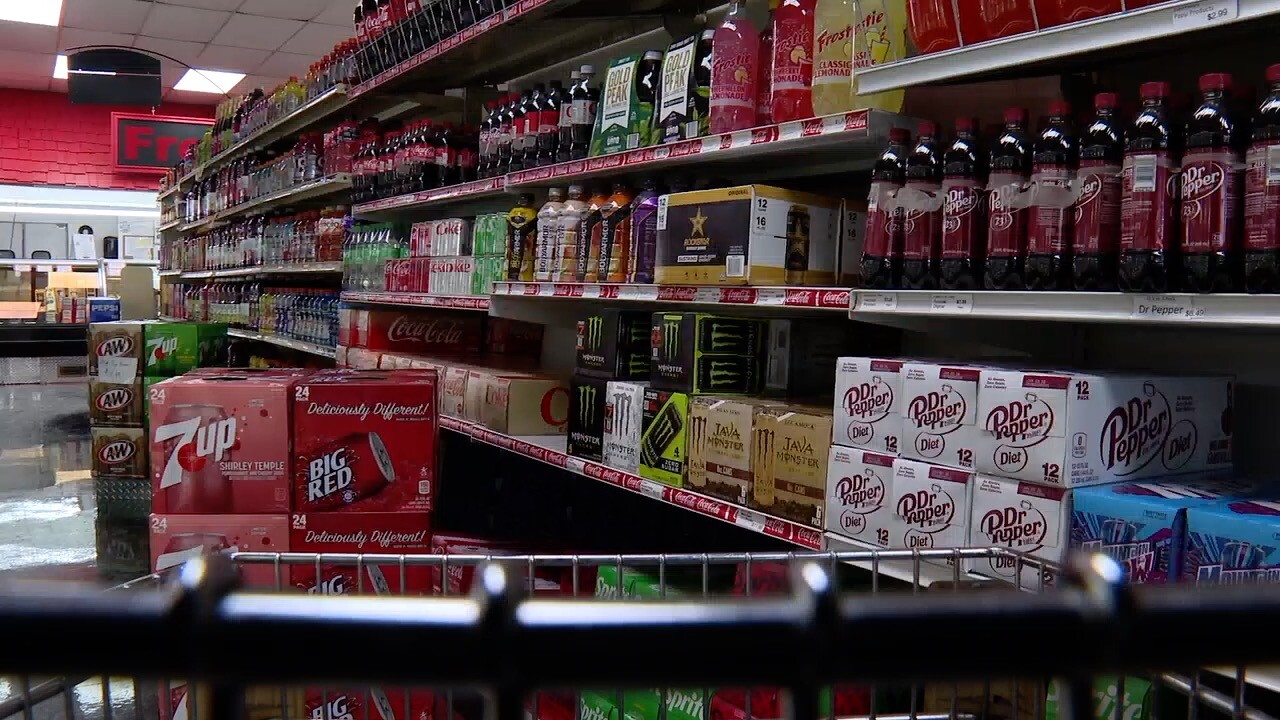
Brickert said she wants FSSA to be more specific about which products fall under the soda and candy umbrella.
"The last meeting, they weren't very clear on what items it would be, they pretty much just said soda and candy," Brickert said. "I hope they'll make it clear exactly which things we can still sell on food stamps."
Before January 1, retailers must update point-of-sale systems, submit compliance documentation to FSSA, and train staff on the new purchasing rules.
