INDIANA — A global health emergency has made its way to Indiana. Since May 2022, Monkeypox has been spreading around the world. More than 20,000 cases have been reported in 78 countries according to the World Health Organization. The U.S. is sitting at 5,189 cases as this article was published.
45 cases of Monkeypox have been confirmed in Indiana, according to the Indiana Department of Health. Two of those cases are kids. The state has received 3,232 doses of the Monkeypox vaccine. More are on the way. During this interim, the vaccines are being prioritized for people who have close contact with someone who has tested positive due to the limited supply.
Monkeypox is most common among men who have sex with men, but it's important to understand anyone can get the virus.
"You have to be a part of protecting the community because right now we're not getting a lot of help outside our community," Adam Goble, a local LBGTQ+ entertainer and advocate, said. He tells WRTV, he has not been impressed with the steps taken by officials, so far, to stop the spread of Monkeypox.
"With 49 cases in Indiana, 419 in Illinois and over 5,000 nationwide, it's definitely spreading and it's something that warrants concern," Goble said,
As the IDOH waits to receive more doses of the Monkeypox vaccine, Goble feels like this response is a month or two too late. It reminds him of the response to another virus.
"What I don't want to see for our community is the 1980s HIV all over again where it wasn't talked about. It was known it out there, but there was no pressure to do anything about it because it was just the gays," he said.
Experts have made it clear, that anyone can get Monkeypox. Shaun Grannis with the Regenstrief Institute explains how Monkeypox spreads.
"It requires, generally, prolonged skin-to-skin contact. It's generally not respiratorial and the hallmark indicator is these painful pox or pustules. A very recognizable rash," Grannis said.
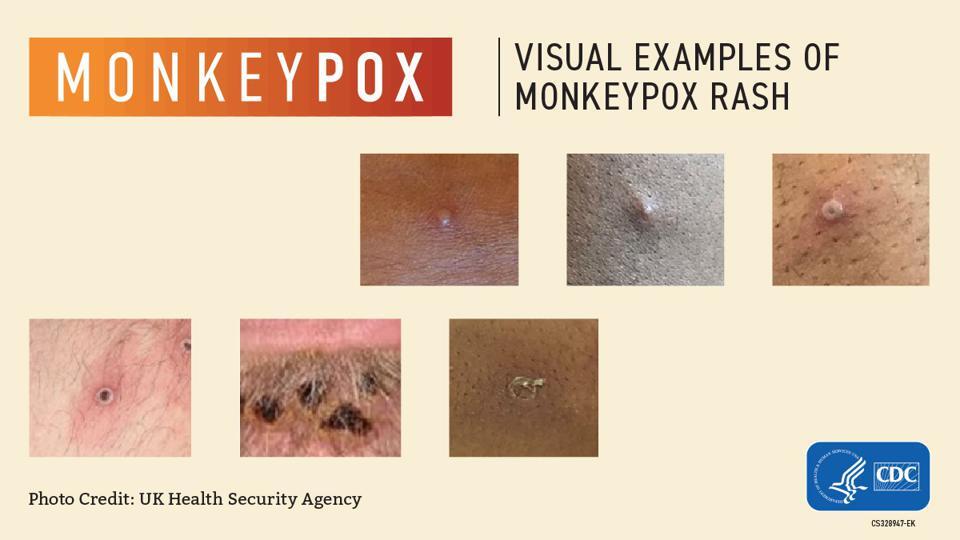
"Everybody who has Monkeypox has that and you can't spread the disease until you have that rash," Grannis said.
The CDC lists the following ways you can avoid contracting Monkeypox.
- Avoid close, skin-to-skin contact with people who have a rash that looks like Monkeypox.
- Do not touch the rash or scabs of a person with Monkeypox.
- Do not kiss, hug, cuddle or have sex with someone with Monkeypox.
- Avoid contact with objects and materials that a person with Monkeypox has used.
- Do not share eating utensils or cups with a person with Monkeypox.
- Do not handle or touch the bedding, towels, or clothing of a person with Monkeypox.
- Wash your hands often with soap and water or use an alcohol-based hand sanitizer, especially before eating or touching your face and after you use the bathroom.
Despite all the guidance coming out, Goble still believes the Monkeypox outbreak could have been avoided if it was taken seriously by the government initially.
"It's a shame we're in a outbreak when people were talking about this months ago," he said.
-

75-year-old in fight at Fort Wayne Tim Hortons died of heart failure
A 75-year-old woman died of congestive heart failure in the setting of a fight, the Allen County Coroner’s Office said.
Indiana sees significant drop in number of homeless veterans
Indiana saw a significant decline in veteran homelessness last year, despite the total number of homeless people rising across the state.
Indiana fire officials demonstrate new mobile fire simulators
Fire officials on Wednesday said new training centers and simulators mean more Indiana firefighters will be able to get the latest training and techniques.
Police find fewer machine-gun conversion devices in criminals’ hands
Officials with the Indiana Crime Guns Task Force said they seized 14 of the devices, popularly called Glock switches, in the first six months of this year, fewer than they saw last year.