


INDIANAPOLIS — New laws will soon take effect aimed at better protecting children in our state.
Governor Mike Braun signed House Enrolled Acts 1257 and 1036 into law, which take effect July 1.
FULL STORY:
The new laws will boost transparency within the child welfare system by enhancing public reporting of child fatalities from abuse and neglect.
In addition, Indiana Department of Child Services (DCS) caseworkers must see a child before they can close a case.
“I want everybody held accountable”: Grandfather says new laws will save lives
Brian Welty is trying to hold onto memories.
“I’ll never hear her giggle the way she used to giggle,” said Welty.
It’s all he has left of his granddaughter, Kinsleigh Welty.

The little girl was living with Brian Welty when the Indiana Department of Child Services (DCS) returned Kinsleigh to her birth mother, Toni McClure. The move came despite repeated claims McClure was abusing Kinsleigh.
“I was devastated,” said Welty. “I’ve never felt so hopeless. I’ve never felt so much anger."
McClure is charged with murdering Kinsleigh after the child died of starvation.

RELATED | Grandmother, boyfriend plead guilty in death of Kinsleigh Welty
“If someone had laid eyes on that girl and saw the 5-year-old weighed 20 pounds, we could have saved her life,” said Rep. Julie McGuire, R-Indianapolis.
Rep. McGuire co-authored House Bill 1036, which will require DCS case workers to see a child in person within 30 days of closing a case.

"That child needs to be seen and heard and visited,” said McGuire.
“This is a billion-dollar state agency”: Lawmaker aims to improve transparency
Rep. McGuire also authored House Bill 1257.
"1257 is about transparency,” said McGuire. “This is a billion-dollar state agency."
The agency McGuire is referring to is the Indiana Department of Child Services.
The DCS budget for FY2026 is $1.54 billion, up from $1.49 billion in FY25, according to the agency.
They’ve been tight-lipped about specific child abuse and neglect cases because of existing Indiana law.
RELATED | “I would love to see us say more”: DCS director aims to improve transparency
"Our state laws are written so tightly, they're not permitted to share any information,” said McGuire. “I said, ‘Well, we can fix that.’"
The new law says that within five days of a child’s death or near-death from abuse or neglect, DCS is required to publicly report any current or past involvement with the child.
"So, WRTV can reach out, and DCS needs to give that information,” said McGuire. “It also allows DCS to correct the record if it's wrong. They can now say, ‘That's not true, that's not what happened.’"
Currently, DCS shares an annual fatality report, but critics say the release of the report is delayed a year.
For example, the agency just released the 2024 Annual Report of Child Abuse and Neglect Fatalities in Indiana.
Starting July 1, DCS must share public summaries on child fatalities throughout the year, including any actions taken by DCS in response to a child’s case.

DCS will also have to overhaul its annual fatality report.
“We've added a ton of information,” said McGuire. "Were calls made to check on a child that went unsubstantiated? We need to know if there was a case where a child became a victim of a fatality, but DCS did not substantiate, or they screened out those calls. We are going to get some of that history."
RELATED | Kids in Our Care: Pressing for Change
DCS will also include the names of judges involved with cases where a child ended up dying from abuse or neglect.
“We are talking about a child dying”: Child advocate testified for both bills
“A frequent and constant complaint I hear is that DCS tried to do right by a child and the judge said, 'No,'" said Braelynn Yerington, a child advocate and co-founder of the nonprofit Champions for Children.
Yerington testified in support of both HB 1257 and HB 1036.
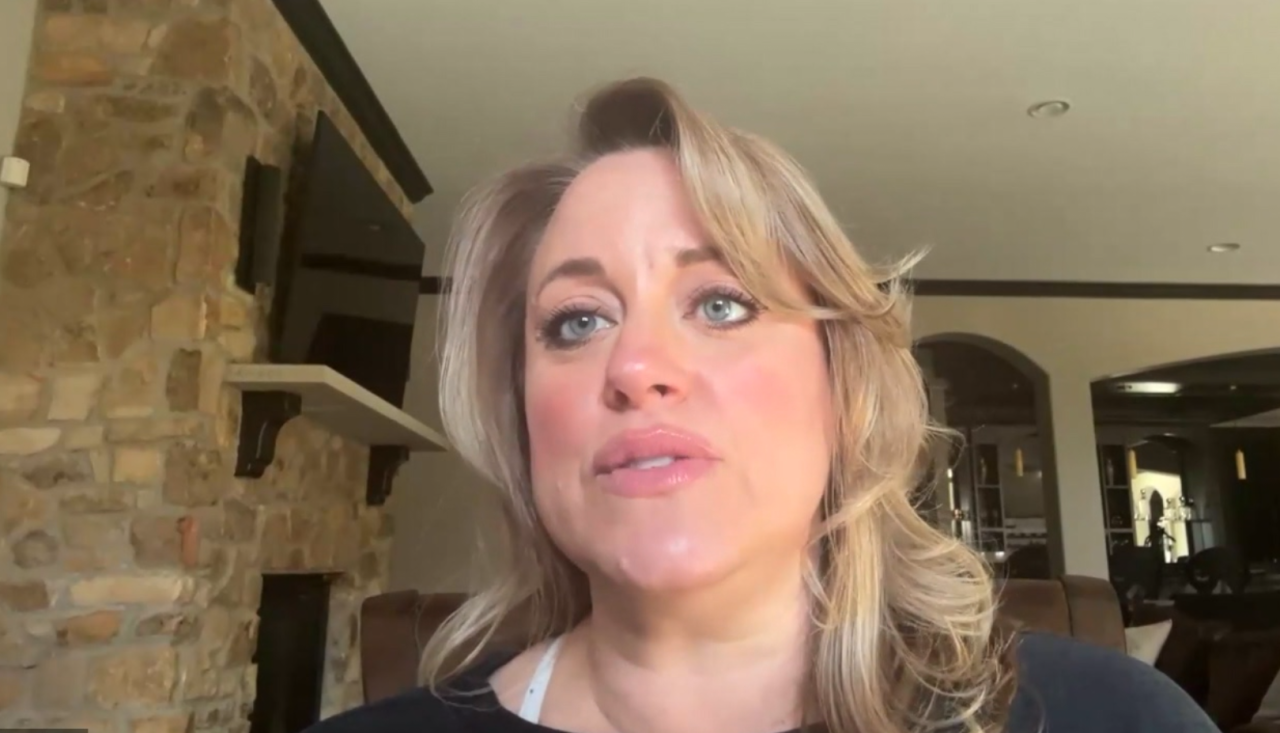
"Everything is under lock and key,” said Yerington. “We are talking about a child dying from abuse or neglect. That is something where the public should have access to information immediately."
Yerington said the legislation is a game-changer for child welfare.
“I’ve been begging for this for years," said Yerington.
Yerington says it’s critical that near-deaths be included as well.
“We have a lot of children who are permanently disabled, and we never hear about that,” said Yerington. “So for the first time, we are going to have information on those as well.”
Brian Welty also testified in support of both bills.
"We will know what happened,” said Welty. “We will know the truth of what's going on and not just what someone wants to tell us. I want everybody to be accountable. Everybody.”

The grandfather turned advocate wants to honor Kinsleigh by protecting others.
"I feel like she would be very proud of me,” said Welty. “What I couldn’t do in life, I am helping other children not to experience what she went through."
The new law will allow lawmakers and members of Congress access to certain DCS case file information, including past child abuse and neglect deaths.
Rep. Julie McGuire plans to be at DCS on July 1, the day the law takes effect, to look at case files, including those for Kinsleigh Welty.

WRTV Investigates contacted DCS for comment on the new laws, and they responded with the following statement:
“The Indiana Department of Child Services is supportive of the final language in both HEA 1036 and HEA 1257.
HEA 1036 strengthens protections for vulnerable children by requiring in-person assessments within 30 days before a CHINS investigation or an active court case can be closed. While the average DCS close-out time for unsubstantiated assessment investigations was 30 days in 2025, this legislation ensures no case ends without confirming a child is safe from abuse or neglect.
HEA 1257 authorizes DCS to be more transparent to the media and Indiana General Assembly concerning an alleged or actual occurrence of child abuse or neglect. As it pertains to the media, this new law will allow us to disclose information to the news media to confirm, clarify, correct, or supplement information concerning an alleged or actual occurrence of child abuse or neglect that has been made public by a source other than the department. The bill will also allow DCS to develop stronger relationships with members of the Indiana General Assembly and Indiana members of the U.S. Congress by allowing DCS to share more information to these lawmakers, upon request.”
__

