


INDIANAPOLIS (WRTV) — The Indiana Department of Child Services is implementing new laws that will require the state agency to be more transparent when a child dies from abuse or neglect.
Kara Kenney with Indiana’s I-Team sat down with the new director at the Indiana Department of Child Services, Jennifer Dorfmeyer, to talk about how they’re making those changes.
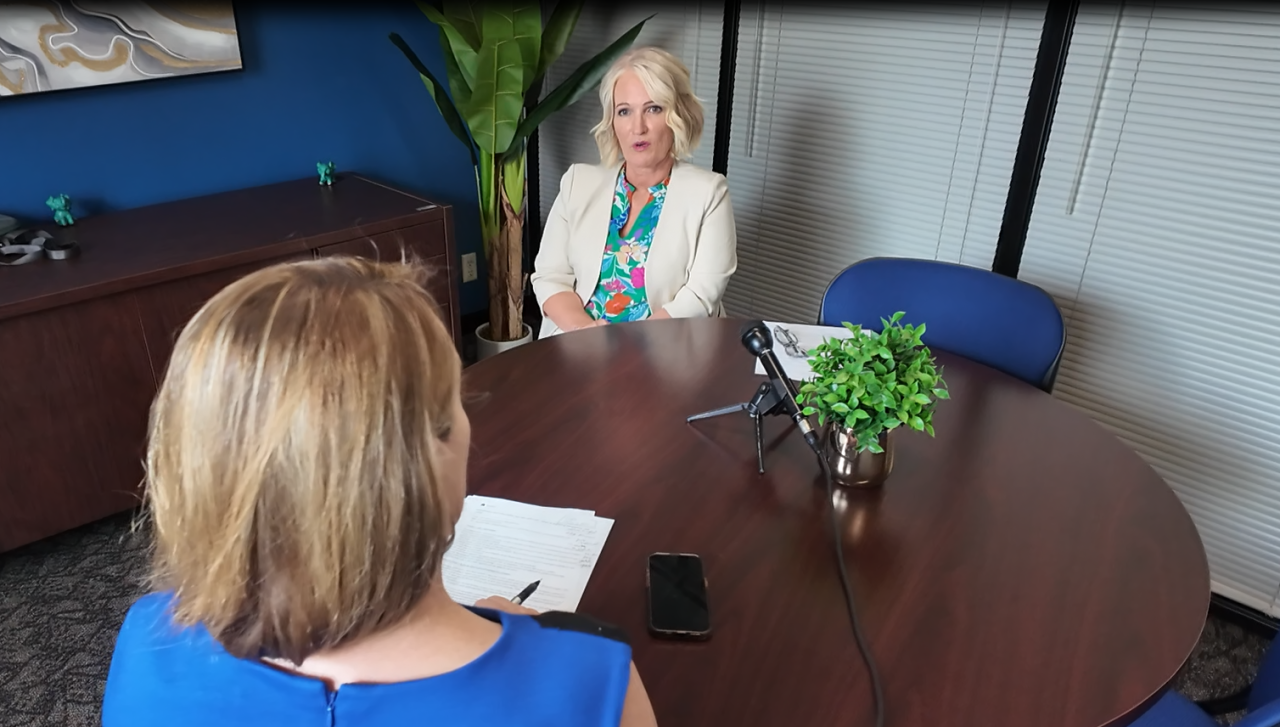
Dorfmeyer took over as DCS director in January 2026.
The agency has spent months preparing to implement several new child welfare laws that took effect July 1.
“It is a big change, and we are still working through the details of how it looks in practice,” said Dorfmeyer.
Dorfmeyer said they’ve spent a lot of time meeting with legal experts, stakeholders, lawmakers and others to implement multiple new laws.
They’ve also provided information and training to the agency’s 4,000 employees.
“We have specific trainings, we have web-based trainings, we have in-person trainings, consultation with our attorneys; we really just kind of spread wide and deep to make sure that everybody gets the message,” said Dorfmeyer.
"Kinsleigh's law", or HEA 1036, will require Indiana Department of Child Services case workers to see a child in person within 30 days of closing a case.
“This is really codifying what we feel is best practice,” said Dorfmeyer. “It just requires that we have eyes on these children before we close the case. We see them, we know that safety is present, and that we're not leaving loose ends.”
Kinsleigh died in 2024 of starvation. Her mother, Toni McClure, is criminally charged in Marion County with murdering Kinsleigh.

Another new law, HEA 1257, says that within five days of a child’s death or near-death from abuse or neglect, DCS is required to publicly report any current or past involvement with the child.
“I believe that we'll be able to say the basics,” said Dorfmeyer. “Such as, we were involved, we were providing services, and so it may look a little more generic, but I think this will also evolve as we learn more about what implementation looks like.”
Dorfmeyer emphasizes they still have to protect a family’s privacy. So far, the biggest roadblock is making sure they follow federal law.
Starting July 1, DCS must share public summaries on child fatalities throughout the year, including any actions taken by DCS in response to a child’s case.
DCS will also have to overhaul its annual fatality report and will provide public summaries on child fatalities throughout the year.
“There's actually been a lot of work in this space getting ready for this, and I think that you will all appreciate what you see at the end, the end result, which will be going live fairly soon,” said Dorfmeyer. “We have really looked at the Arizona model and the way that they share their fatality information, and so we'll have a dashboard that shows different icons that show what type of occurrence may have happened. So, was it a drowning, was it hot car?”

The new portal will include substantiated abuse and neglect deaths that happened on or after July 1, 2026.
“It is a big deal,” said Dorfmeyer. “I think that we will have bumps, and we will have successes, and a lot of great, wonderful things, and as well as problems as we move forward in implementation, but I think it's a challenge that we're all excited to take.”
DCS will also include the names of judges involved with cases where a child ended up dying from abuse or neglect.
“I think that that will just show transparency about how decisions are made,” said Dorfmeyer. “I consider our judges are partners, and I think that it's oversight that is important for the childhood welfare system. I don't believe a government agency should make these decisions without that level of oversight and partnership.”
Currently, it takes an average of 477 days for a child in the system to find a permanent home, including adoption.
RELATED | Kids in Our Care: Pressing for Change

