


The U.S. government's first official jobs report in more than two months shows hiring has slowed considerably, and the unemployment rate rose to 4.6% in November — the highest level since September 2021.
The Bureau of Labor Statistics said the nation lost more than 100,000 jobs in October 2025 amid a government shutdown. More than 162,000 federal positions were lost that month, and roughly 6,000 federal jobs were lost in November.
RELATED STORY | From housing to groceries to energy, Americans say the economy is doing poorly
The economy added about 64,000 jobs in November. Over the past decade, the U.S. averaged more than 144,000 new jobs per month; so far in 2025 payroll gains have been well below that, and payrolls declined in three months.
The BLS issues preliminary monthly employment estimates from its Current Employment Statistics survey; the figures are released just days after the month ends and may be revised. The agency’s data has faced heightened scrutiny since President Donald Trump fired BLS Commissioner Erika McEntarfer in August after a disappointing jobs report.
Last week, the Federal Reserve lowered interest rates due to declining job figures, despite the risk that lower interest rates could cause inflation to spike. Fed Chair Jerome Powell suggested that the BLS data may underestimate how poorly the job market is performing.
He added that immigration has also caused the supply of available workers to decline.
"It's a labor market that seems to have significant downside risks," he said. "People care a lot about that. That's their jobs, that's their ability if they're laid off or if they're entering the labor force to find work. So that's really important to people."
Laura Ullrich, director of economic research in North America at the Indeed Hiring Lab, said the report gave a sobering look at the job market. She cautioned, however, that the report carries an asterisk with it, given the recent government shutdown.
A decline in federal government employment has slowed job growth; other industries have also reported weaker hiring.
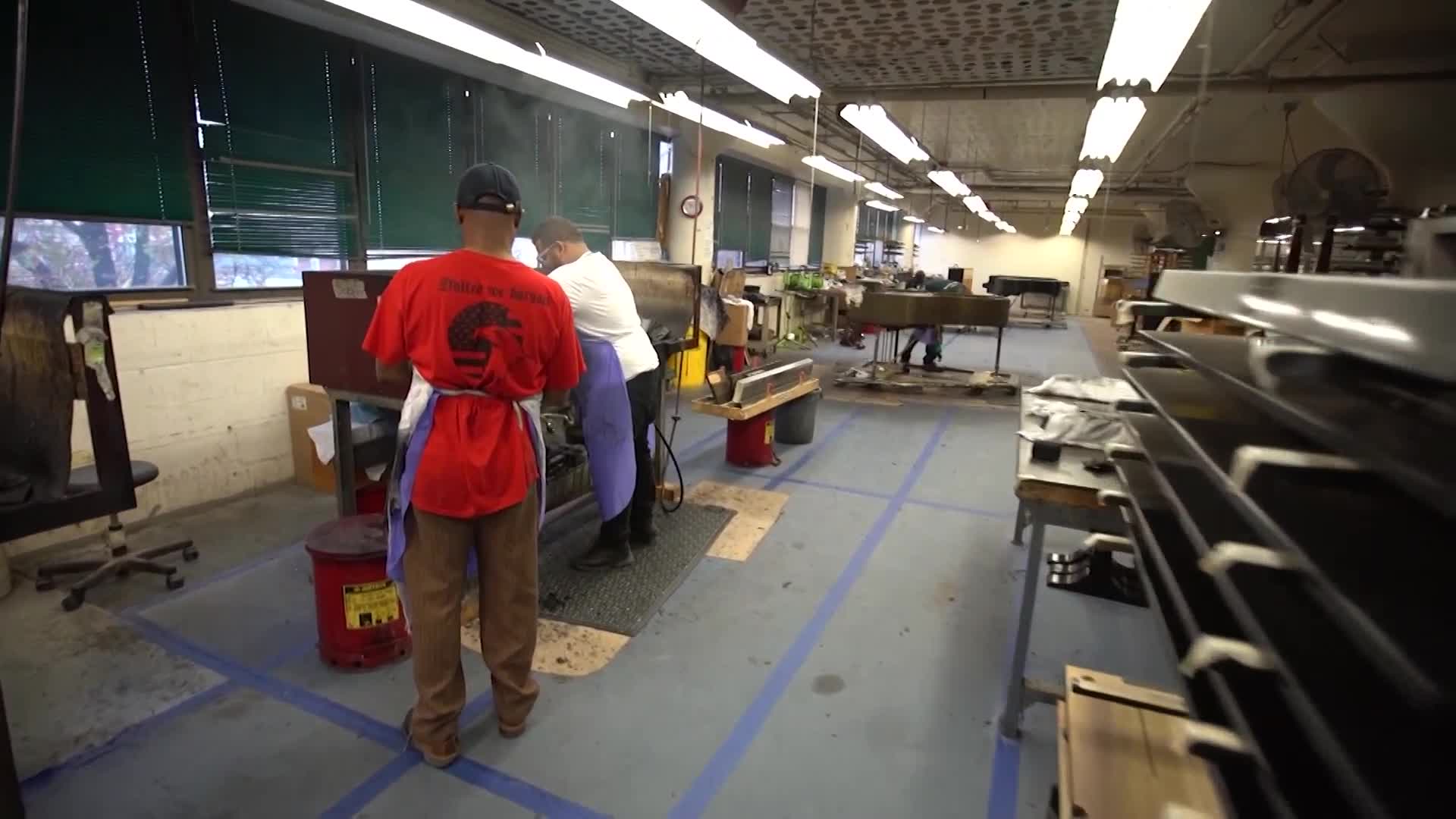
"Manufacturing, transportation and warehousing, and financial activities jobs all saw declines again in October and November, a pattern that has become commonplace this year. It is difficult to not attribute at least some of this weakness to tariff policy, and potentially even more to the uncertainty surrounding it. Manufacturing sub-sectors, including machinery manufacturing, electronics manufacturing, and transportation equipment manufacturing, have each lost more than 10,000 jobs in the last year and are all relatively exposed to tariffs on both their final goods and the intermediate goods used in production," Ullrich said.
