

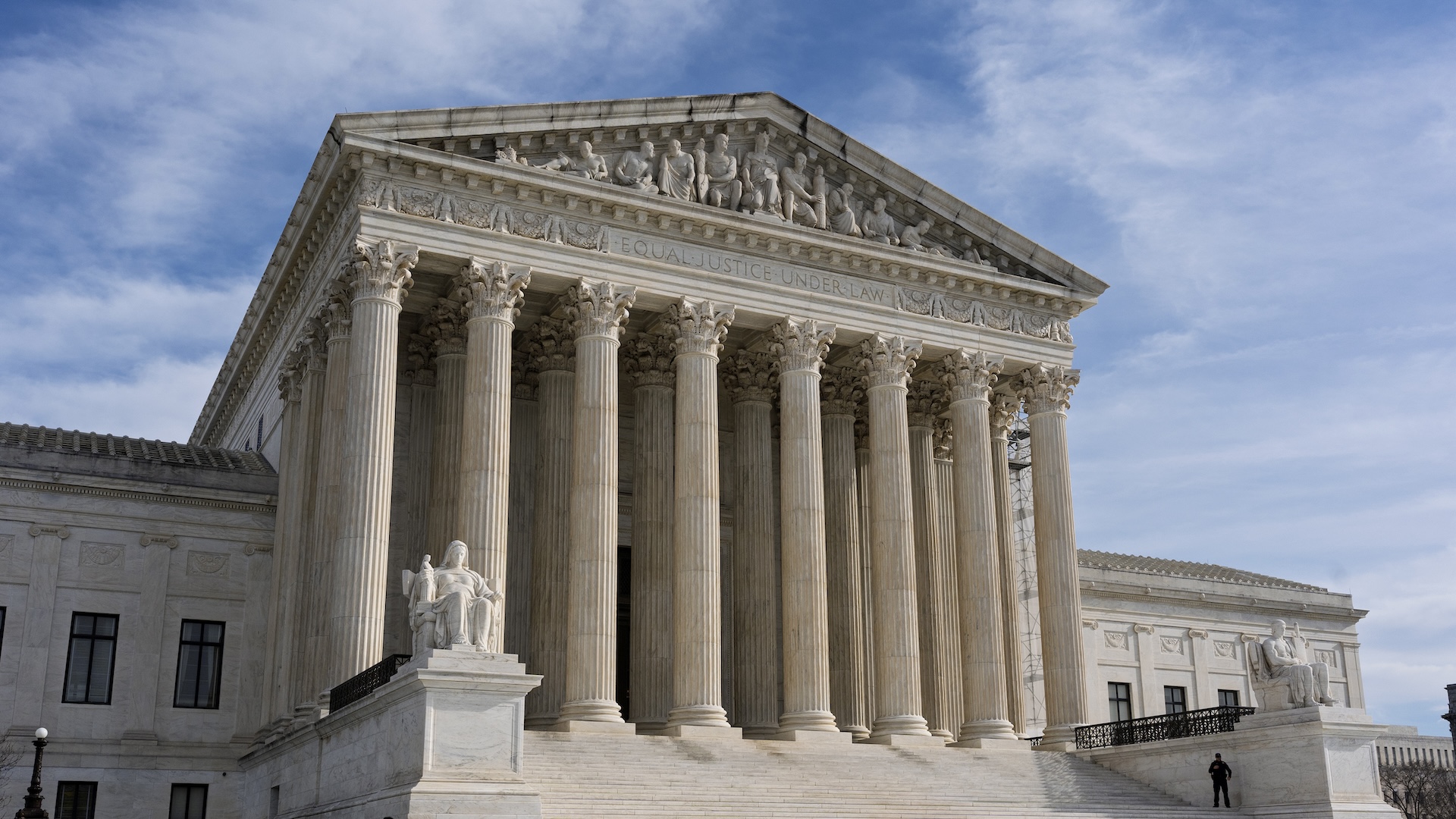


This week, the U.S. Supreme Court hears arguments in a case that will determine whether the Trump administration can cancel a program that allows certain immigrants to live in the U.S. temporarily.
A 1990 law grants "temporary protected status,” also known as TPS, to people from countries that are facing challenges like armed conflict or natural disasters.
Haiti was added to that list after an earthquake in 2010, allowing some of its citizens to live in the U.S. under the program.
But last year, the Trump administration announced it was terminating Haiti’s TPS citing concerns that “Haitian gangs — such as those designated by the State Department as foreign terrorist organizations — pose a serious threat to U.S. interests.”
And according to court documents, then-DHS Secretary Kristi Noem said "certain conditions in Haiti remain concerning,” including “escalating violence and gang violence” in the capital city, but the data indicate that “parts of the country are suitable to return to...”
RELATED STORY | Haitian TPS recipient leaves US family behind rather than face deportation uncertainty
Geoff Pipoly represents a group of Haitians and will argue their case at the Supreme Court Wednesday.
“The Haitians that I've talked to, including our clients and other people in the Haitian TPS community, are genuinely terrified about going back to Haiti," Pipoly said.
Pipoly believes the Trump administration did not follow proper guidelines to cancel the program.
“What the district court found the evidence shows, is that the decision to terminate Haiti's TPS was a decision that was made before the president even entered office, and then they fit the facts to that conclusion," Pipoly said. "That's not how Congress set up the TPS statute to work."
Marlene Noble was born in Haiti and adopted into an American family after coming to the U.S. for medical treatment at the age of three.
Noble was an adult when she realized her adoptive parents didn’t file for her U.S. citizenship. She’s afraid of what returning to Haiti could mean.
“Panic, lots of panic," Noble said. "I no longer speak the language. I don't know any biological family, and just hearing of the violence that is still occurring in that country, it was, it seemed, it felt like a death sentence.”
