

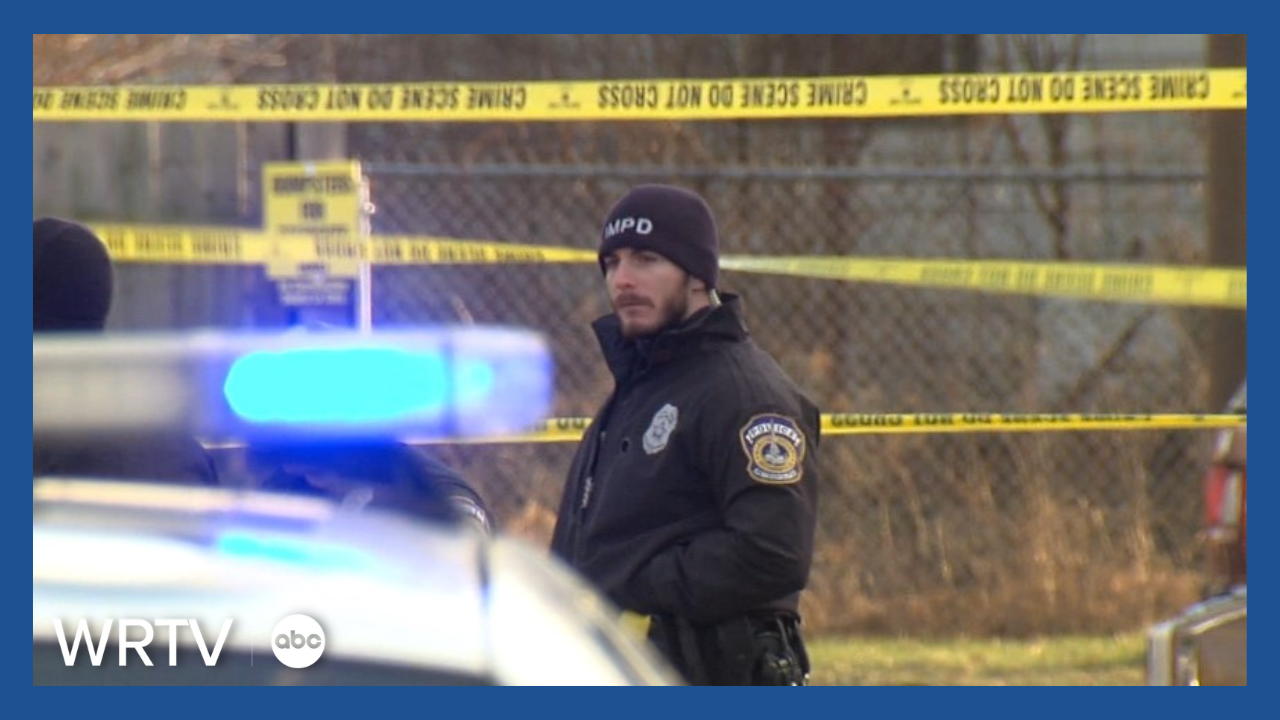


INDIANAPOLIS — For the first time in more than three decades, the Indianapolis Metropolitan Police Department (IMPD) is changing the way its officers work — moving to 10‑hour shifts starting January 3, 2026 in what leaders call a “game‑changer” for staffing, officer wellness, and community service.
The change is the result of a partnership between IMPD leadership and the Fraternal Order of Police (FOP), developed through months of committee work, feedback sessions, and a department-wide vote. Officers overwhelmingly supported piloting the new schedule for one year.
From 8.5 Hours to 10 — And More Days Off
Under the new rotation, officers will work five days on, three days off, followed by four days on, four days off.
That change alone means fewer consecutive workdays, more weekends, and 37 additional days off every year — all without reducing the total hours they work annually.
Chief Christopher Bailey said the plan hits the balance that was promised in recent labor negotiations with the FOP:
“Work health balance. This agreement was made between the city of Indianapolis and the FOP during the last labor negotiations that we would try this 10-hour shift to see if it met that goal, which is work health balance, but also meets the needs of the community," Bailey said. "We want to make sure we have the most cops in our community working in each and every neighborhood when crime is occurring the most, when 911 calls come in the most. So that we have a quicker response time and we can prevent things from happening to our neighbors.”
Old Model:
- 8.5‑hour shifts.
- 6‑on / 3‑off rotation.
- In place for 30–40 years.
- Only 30‑minute overlap between shifts.
New Model:
- 10‑hour shifts.
- 5‑on / 3‑off, then 4‑on / 4‑off rotation → fewer consecutive workdays & longer rest periods.
- 37 more days off per year with same total annual hours worked.
Four staggered shifts aligned with peak call volume:
- Day: 6:30 AM – 4:30 PM
- Middle: 11:00 AM – 9:00 PM
- Late‑TAC: 4:30 PM – 2:30 AM
- Late: 9:00 PM – 7:00 AM
Coverage Strategy:
- Overlap from 11 AM – 2:30 AM ensures maximum coverage during busiest times.
- Off‑peak hours managed via Priority Run Only Protocols and call reduction strategies to maintain service while matching staffing to demand.
Partnership With the FOP
The plan was created jointly with the FOP to ensure the “voice of the officers” was heard. The committee included FOP Vice President Bobby Ferguson, Captain Gosnell, and Officer Terra Butcher — representing administration, command staff, and patrol perspectives.
Ferguson said the goal from day one was to include all sides of the conversation:
"We as the FOP formed our committee and worked hand in hand with the department," Ferguson said. He said the biggest changes — shorter work weeks and longer off stretches — were important for morale, retention, and wellness:
“They’re maintaining their 3 days off, but they’re also on their short week when they work 4 days, they’re going to have 4 days off in a row. So the officers will have 4 days off before they have to come back into work. So that’s going to open the door up for officers to decompress, be able to spend more time with their families, more time with hobbies that they enjoy doing, or with 4 days off, you could take a mini vacation if you want to.”
Wellness As a Priority
Deputy Chief of Operations Tanya Terry said the plan is also about maximizing staffing and efficiency while caring for officers' health:
“The second part of that is focusing on our officer wellness. So it’s also important that as much as we ask of our officers, that they understand we care about them and we want to make changes with their health and their wellness in mind as well.” Terry explained the science behind giving officers longer stretches off to recover from the demands of patrol:
"During the course of our tour of duty, our body physiologically takes a period of time to come down from that and return to a state of normalcy or homeostasis. When we have a longer stretch of time off in between our work schedules, that balance and our body physiologically coming back down from that.”
More Staff When It Matters Most
Beyond officer wellness, leaders say the change will increase staffing during peak demand hours and reduce overtime costs. The new four‑shift system creates overlapping coverage from 11 a.m. to 2:30 a.m. daily — a window when calls are highest.
Chief Bailey said more officers on duty at one time means better coverage for neighborhoods and better support for fellow officers:
“Where the officers can support each other and better support our community. The more officers we have working, then maybe, the same officers don't have to go to the second shooting scene on that particular day. They can patrol a neighborhood, have an opportunity to do a foot patrol, interact with a community member, visit a school, those types of things, instead of going to those same kinds of trauma.”
Pilot Year and Continuous Feedback
The pilot year will be closely monitored with a dedicated 10‑hour shift working group made up of rank‑level representatives from across the department.
Metrics like calls for service volume, response times, officer feedback, and overtime trends will be tracked to decide whether the schedule should become permanent in 2027.
The 10‑hour shift pilot launches January 3, 2026. Leaders say it’s a direct result of officers and the city working together to make a change that benefits the community, the department, and the officers who serve Indianapolis.
