


INDIANAPOLIS — Termite swarming season has arrived weeks early in Indiana, catching homeowners and even pest experts off guard.
WATCH FULL STORY BELOW
Spring is typically the time of year when termite swarming gets started, although according to Josh Berter, a branch manager with Terminix, the season got started a little earlier in 2026 in Indiana.
"We've actually seen swarms start late February this year, which is really an early time for us," Berter shared. "It definitely caught us off guard. I know it's probably caught a lot of homeowners off guard as well."
Blame our crazy spring weather for the early start.
"It definitely has a factor with humidity, the moisture we see, temperature fluctuations, as it's been really warm, and really cold," Berter said.
So, what exactly is swarming season? It's when large numbers of termites leave their colony and look for a new home.
Unfortunately, this could mean your home, as termites are common throughout Indiana.
"The Midwest is a big area for termites," Berter continued. "Termites are always going to be a year-round pest. Generally, this time of year is when they're most common."
"Termites can have a very negative effect on a house from a structural standpoint," Jon Getch with Genesis One Home Inspection shared with WRTV. "They love to eat wood products, and they'll go right after wall studs, floor joists, and it doesn't really matter to them."
Getch says termites are one of the most common pests he finds in homes in Indianapolis.
"I was inspecting for my client, and I did find an active termite infestation in his crawl space," Getch shared. "It caught him completely off guard, because he'd had the home treated for termites when he bought it less than 10 years before that."
What does this mean for home value?
"Finding termites in a home is not necessarily a red flag to not buy the home, but it can decrease the value of the home, depending on the amount of damage the termites have done," Getch continued. "It is a continual process to keep those things out of your home," Getch said.
How do you know if termites are already there?
Inside your home, feel the drywall and baseboards. If they feel soft, that could be a sign of termites.
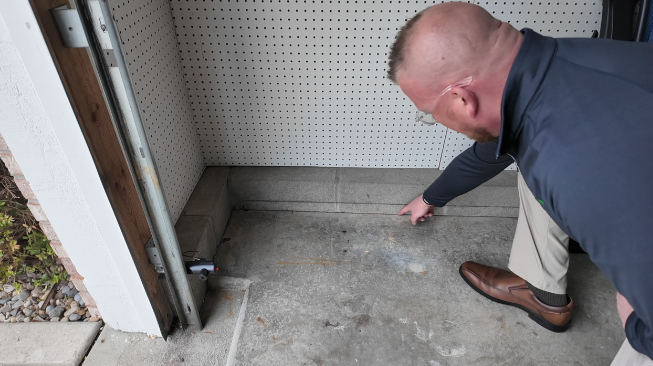
You should also check your home's foundation for gaps where termites might enter.
"All it takes is the thickness of a business card for a termite to make its way into your home, and eliminating foundation gaps is just another step to help prevent them from getting in," Berter explained.
Check for signs of mud tubes near the base of your home.
"You will generally see travel out of the soil and under siding, under brick, and that way they make their way into the home," said Berter of the mud tubes.
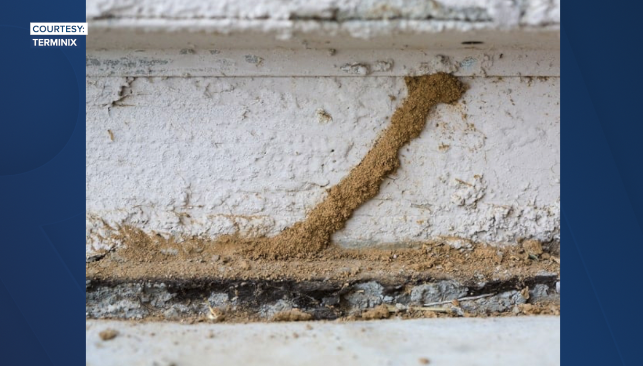
Leaving room between the soil and your home's siding is also helpful, according to Berter, so you can check to see when and where mud tubes are developing.
Another sign of termites is piles of wings, as the termites will eventually shed their wings after they emerge.
Berter says termites hover near windows and doors because they are attracted to light.
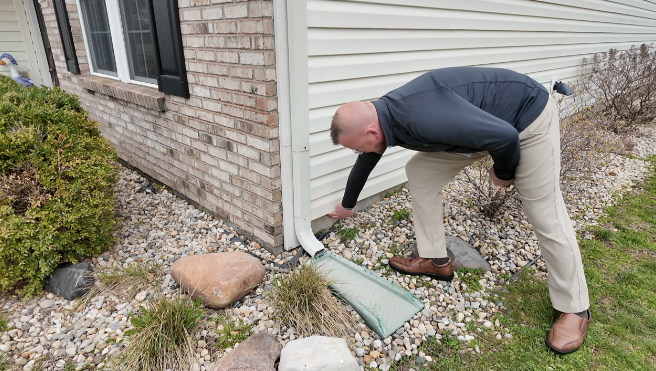
It's a good idea to make sure water is flowing away from your home, as termites love moisture. Check under rocks or other landscaping features for termites.
If you have any wood or logs outdoors, make sure the piles are away from your home and lifted off the ground, as those are also good homes for termites.
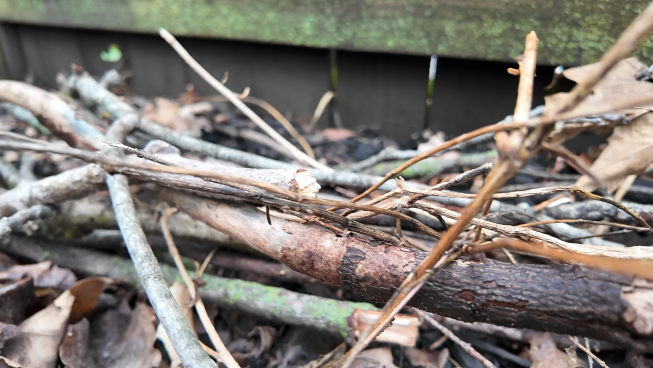
Keeps plants and other items away from exterior walls, as they make it easier for termites and mud tubes to hide behind.
If you do notice signs of termites, you'll need to call for professional treatment.
"There really isn't an over-the-counter, Home Depot-style, homeowner treatment available," Berter said.
How concerning are termite swarms?
"A four is kind of where I would put it on a rating of a one to ten, as far as concern level," shared Berter.
Part of his reasoning was that damage would not occur immediately.
"It is a slow-acting process. It's not a scenario where, in the next hour, your wall is going to fall in. We have time. You have the ability to get a professional out, get a good inspection," Berter continued.
"When proper treatment and proper repairs have been done, I don't believe that it would really devalue the home much," Getch said.
__
