

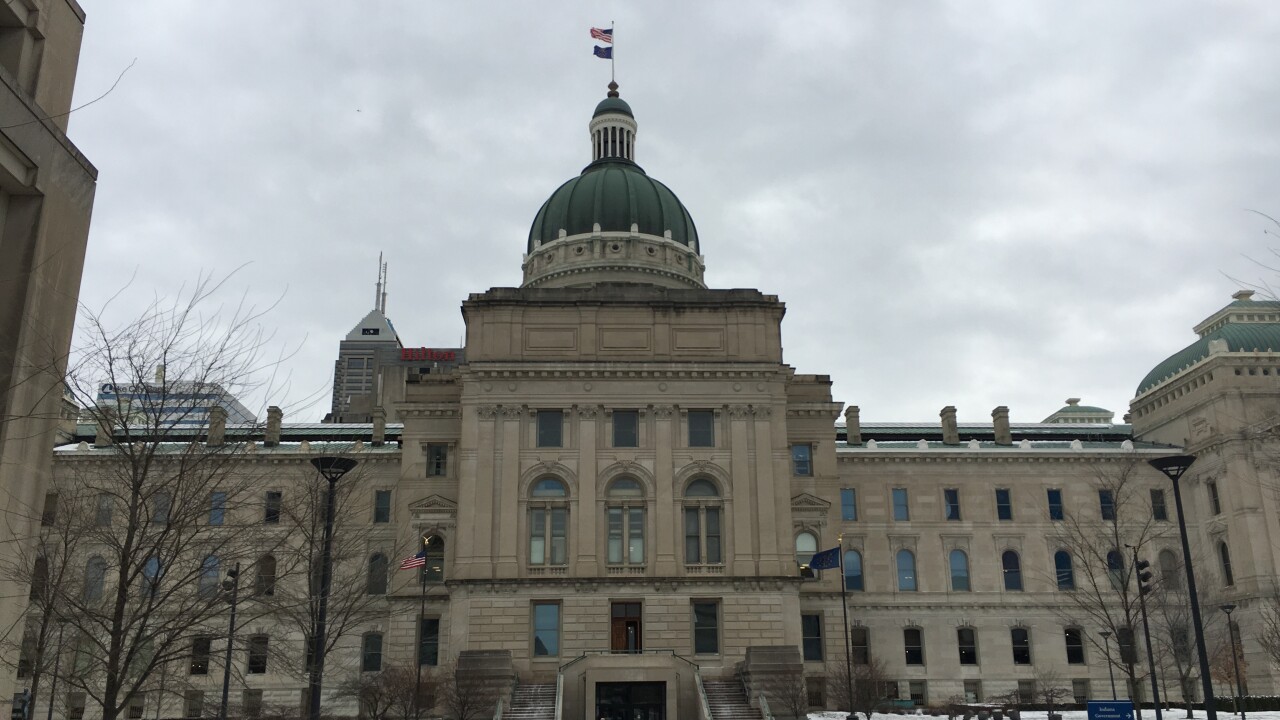

INDIANAPOLIS — A bill moving through the Indiana Statehouse could significantly reduce the authority of a civilian-majority board created to oversee the Indianapolis Metropolitan Police Department's conduct policies.
WATCH FULL STORY BELOW
The IMPD General Orders Board was created in 2020 in response to civil unrest as well as local incidents that created questions about police use of force policies. It can currently approve officer conduct policy. Senate Bill 284 would remove that approval authority and convert the board into an advisory-only body.
The proposed change has sparked debate between supporters who believe police officers should make decisions about police conduct and critics who view it as rolling back civilian oversight of the department.
"It's very disheartening, and I am very confused as to why these measures are being taken," said Darrell Brooks, co-chair of the IMPD General Orders Board.
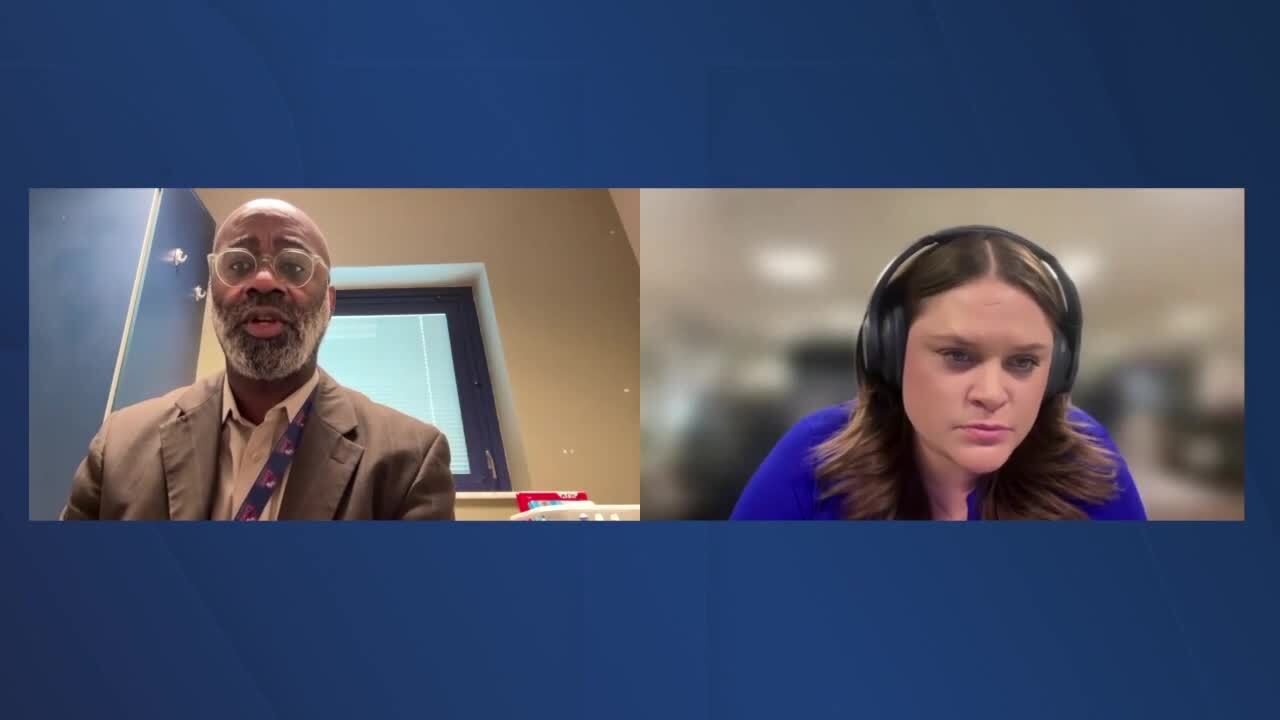
Brooks has served on the board since May 2025 and believes the current system works effectively.
However, City-County Councilor Michael-Paul Hart disagrees and supports the legislative change. He brought a similar proposal forward in front of the City-County Council, which failed.
Hart explained that former IMPD Police Chief Chris Bailey wanted to modify the general orders process due to operational challenges, but that he was unable to do to issues with the board.
"What he explained at the time is that he was having a hard time getting the board to meet or having a quorum of the citizen members," said Hart, who represents District 20.

Brooks says that since he has been on the board, that isn't true. Before he took over as co-chair, he says they were waiting for other members to be appointed before the board could vote on who would become the chair.
According to the city's website, the mayor nominates two civilians, the City-County Council nominates two civilians, and the Fraternal Order of Police (FOP) Lodge 86 votes on one officer, while the Police Chief appoints two.
"I don't know what transpired before me joining the board. But every month since I have been on, we have met quorum," Brooks said.
Hart took the issue to the Statehouse because he believes police officers are better positioned to make decisions about police conduct policies, rather than a civilian majority board.
"A majority citizen lead board of folks who were not police officers don't know what it's like to be in the life of a police officer, and so that's why it was just another reason why we thought it was a good idea to make the chief as the final decision maker on those general orders," Hart said.
Organizations like the Black Church Coalition, which led efforts to create the oversight board, characterize the legislative move as IMPD backing away from previous commitments to civilian oversight.

"Hearing those opinions should make that police chief's decision something they are sure about and should make them think more roundly," said Kathi Ridley-Merriweather with the Black Church Coalition.
Brooks hopes lawmakers will consider public input when making their decision.
"They were elected by the people, so they should want a voice for the people in instances like this," Brooks said.
Senate Bill 284 has passed the Senate and is awaiting a committee hearing in the House. IMPD officials said they continue operating as usual while closely monitoring several proposed bills at the statehouse.
___
