



HOWARD COUNTY — A Howard County father is turning personal tragedy into a warning for others after his teenage son died from carbon monoxide poisoning last year.
WATCH FULL STORY BELOW
Steve Ford lost his 16-year-old son, Joe, in January while Joe was ice fishing in Russiaville. Now, Ford is sharing his story in hopes it will save someone else’s life.
“There's a lot to miss there. He was a great kid,” Ford said.
Ford said Joe always had a way of uplifting people.
“If there was a bad day, you could count on Joe to make you laugh,” he said.
Ford clings to photos and videos of his son, especially those showing Joe doing what he loved most.

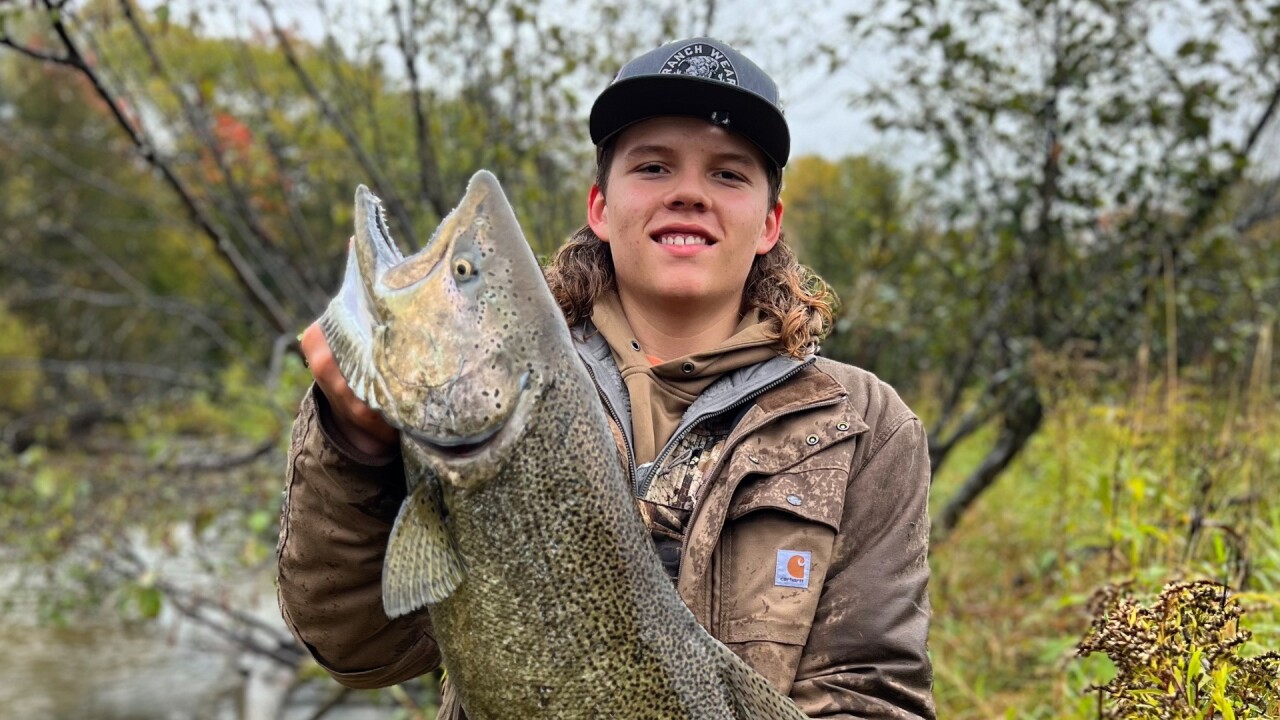
“Joe was a huge outdoorsman, loved to fish and hunt," Ford said. "All kinds of pictures of him holding salmon, holding bass and duck hunting,” Ford said.
That love for the outdoors is what led Joe to ice fishing last winter, and to the moment Ford says changed his life forever.
“Just finding out that your child's gone…it makes you sick to your stomach. You think about all these things that could happen, you know, he was 16, did he get in a car accident?…the last thing on my mind was carbon monoxide,” Ford said.

Howard County officials determined Joe died from carbon monoxide poisoning while using a propane heater inside a tent.
“It didn't have any type of sensor or anything on it for the CO and, at some point, the levels just rose too high…,” Ford told WRTV.
Fire officials say monoxide deaths tend to increase during colder months due to the increased use of heating sources such as propane heaters, improper use of gas stoves, blocked vents, or warming vehicles in garages, even when garage doors are open.
“It's produced when we have incomplete burning of any type of fuel," said Indianapolis Fire Department Battalion Chief of Public Safety Brian McPherson. "CDC data, which we know is correct, from 2023, you had over 100,000 people visit the emergency department for CO. There were over 430 deaths,” officials said.
Battalion Chief Brian McPherson said carbon monoxide is especially dangerous because it is impossible to detect without an alarm.
The gas is tasteless, odorless, and colorless and does not always come with immediate warning signs.
“You'll have that headache, you'll have that nausea, you'll have that feeling of tiredness,” McPherson said.
“They call it the silent killer,” Ford added.
Now, Ford is working to spread awareness on the importance of having carbon monoxide detectors, not just in homes and businesses, but also during outdoor activities like hunting and fishing.

“We're just hoping that that can help one person,” Ford said.
Ford’s mission has grown into a community effort to honor his son’s legacy.
He is raising money to purchase and distribute at least 1,000 free portable carbon monoxide detectors throughout the Kokomo area.
“If one person is saved or changes their mindset about when they're hunting or when they're fishing or when they're working in their shop, about their heat source and how the ventilation is able to save one person, it'd be worth it all,” Ford said.
Ford has already received several donations, including from Erik's Chevrolet.
The Joe Ford Legacy Fund is still in need of donations to help meet its goal.
Ford plans to distribute the free carbon monoxide detectors in Kokomo on Valentine’s Day, Feb. 14.
The detectors will include flyers sharing Joe’s story and information about carbon monoxide safety.
___
