

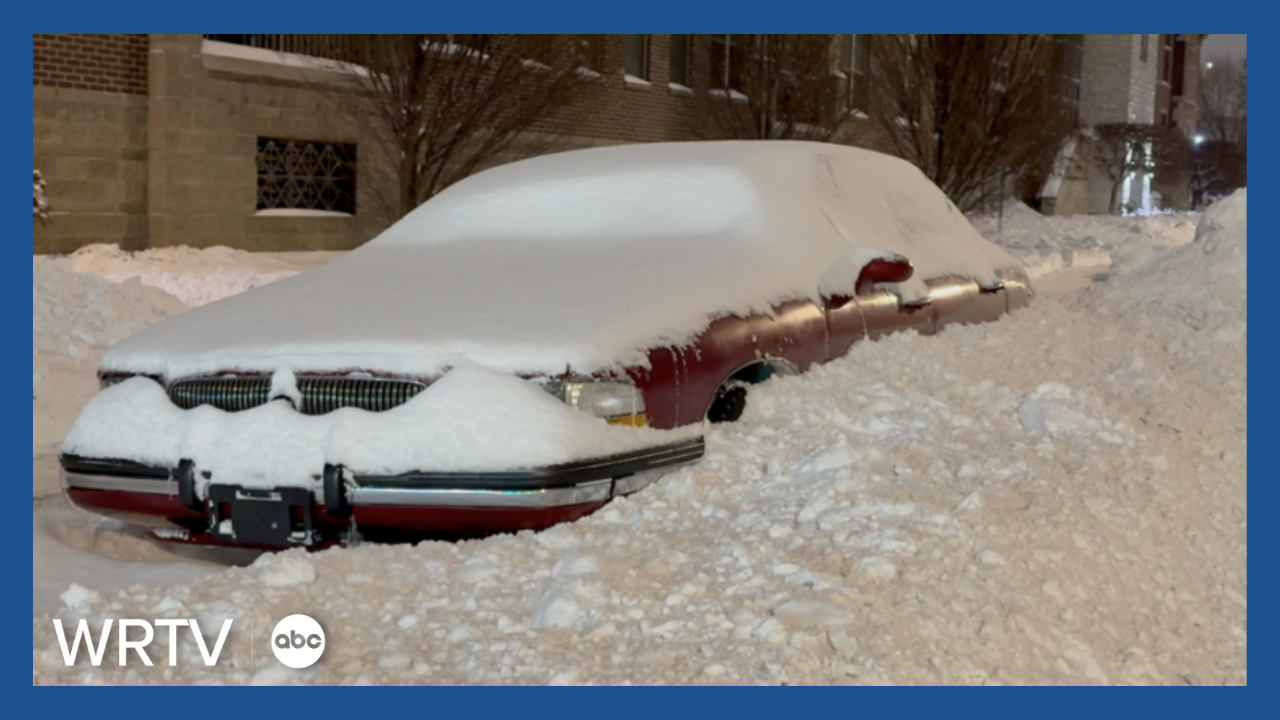



INDIANAPOLIS — As bitterly cold weather settles into central Indiana, local mechanics say frigid temperatures can create a wave of car trouble, especially for drivers with older batteries and worn tires.
Rae Stallings, owner of Beck Service Center, said the biggest uptick he sees during extreme cold is battery-related. He noted that battery performance can drop significantly in freezing weather, and that many drivers don’t realize their battery is near the end of its lifespan until their car won’t start.
“If you haven’t had the battery serviced or changed in the last 3 to 4 years, that’s about the average lifespan of a battery here in Indiana with extreme heat, extreme cold,” Stallings said.
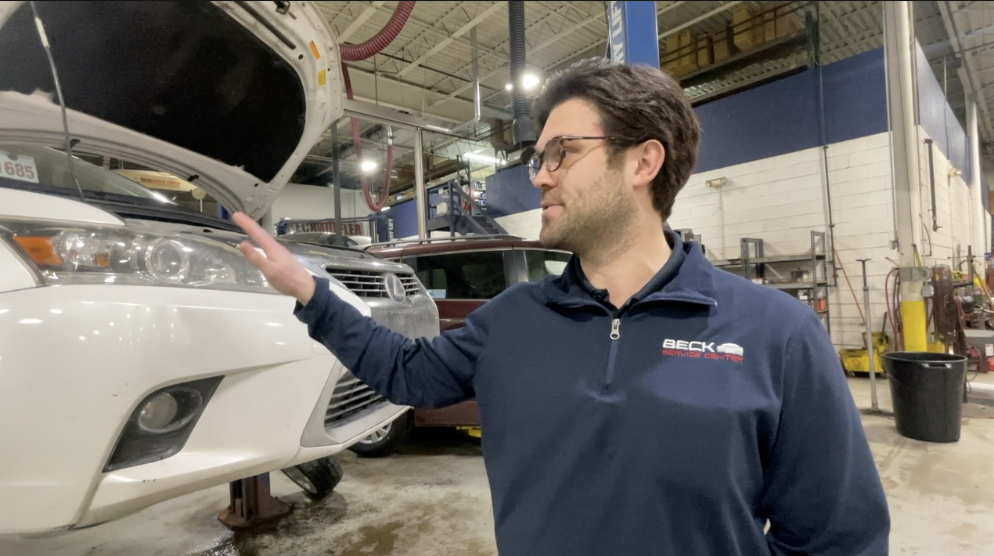
He said drivers may want to think ahead before temperatures plunge, especially if they know their battery is a few years old.
“If it’s, you know, a couple of years old, I think proactively it wouldn’t be a bad idea to get that serviced or changed before the weather gets this cold,” Stallings said.
While batteries are a top issue, Stallings said tire problems also increase when temperatures drop. Cold air can cause tire pressure to fall, and worn tread can make winter driving more dangerous.
“A lot of batteries, alternators when it’s this cold. A lot of tire issues, people running off the road, or just losing air because of the cold,” he said.
Stallings encouraged drivers to budget more time in the morning and to warm up vehicles before heading out. Not only for comfort, but to help fluids circulate.
“Just think about it. If you’re an athlete or a runner and you’re going to go run a, you don’t just hop up off the couch and go run a bunch of miles,” Stallings said. “A nice cold day like this, you need to give it some time to get the fluids circulating through the engine and get it nice and warm and get that idle to come down just before you hop in and go,” he added.
Stallings said drivers don’t need to idle for long periods of time, but a short warmup can help, along with fully clearing snow and ice before driving.
“You don’t have to let it run for a half hour, but give it 10 minutes or so,” He said.
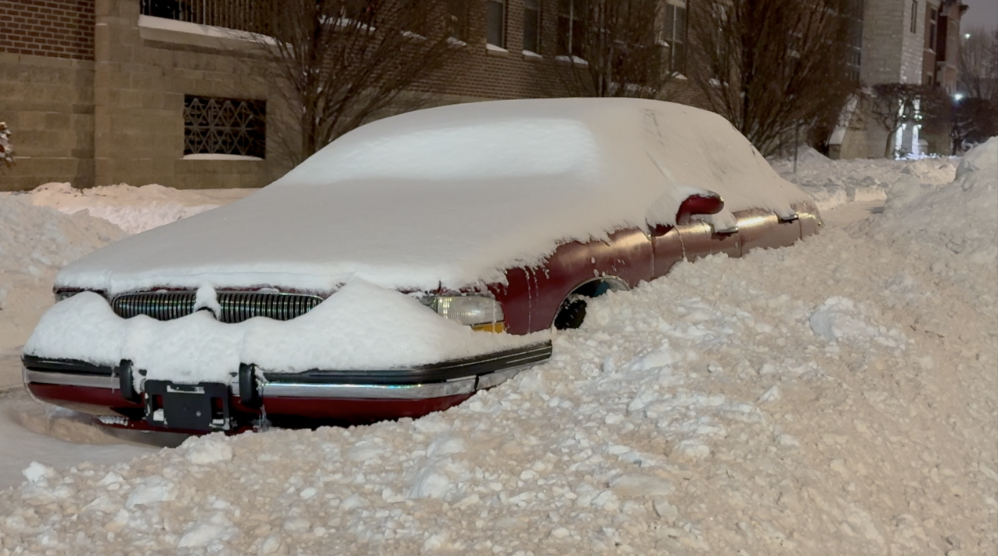
He also urged drivers to clear all windows, including the back, and remove snow from the roof when possible.
“Make sure we’re cleaning all the snow off front, rear, and if you can, the top because people don’t realize what that just turns into a big frozen block of ice that can come flying off and hit someone else driving,” Stallings said.
Stallings recommended drivers keep an eye on basics during extended cold snaps: battery health, tire pressure and tread, and winter fluids.
“You’re going to be using a lot more of the washer fluid when you’ve got all the salt and the snow and stuff spraying up on the car,” he said.
Some drivers also wonder whether it’s safe to wash a car in freezing weather. Stallings said it can be helpful, especially to remove road salt, but timing and where you park matter.
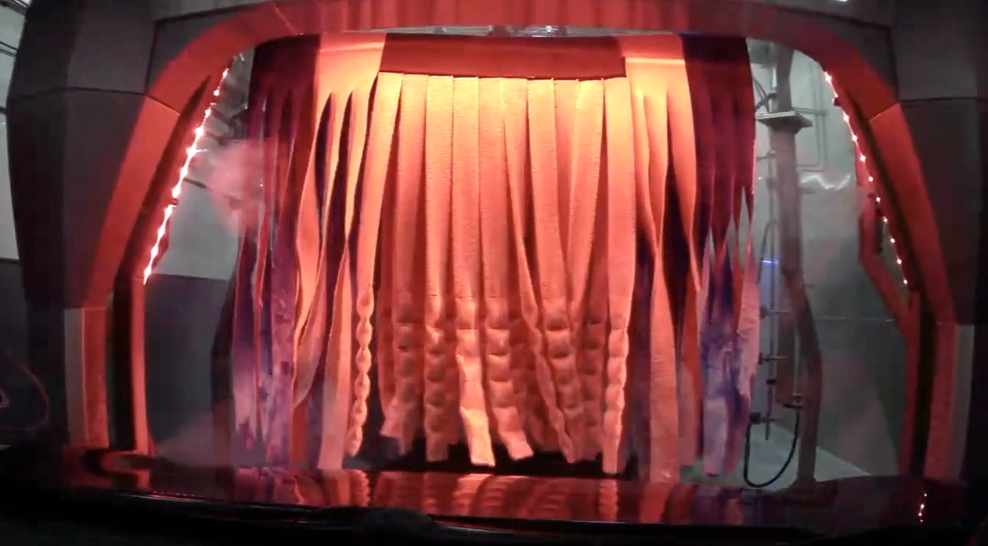
“If you’ve got a garage to park it in, I don’t think it’s a horrible idea to go take it and get it washed because when you get all the snow and ice that gets caked up on the bottom of the car, it can cause weird vibrations, or weird noises when you’ve got stuff where it shouldn’t be,” he said.
But in subzero conditions, he said drivers should avoid washing a car and then leaving it outside.
“When it’s -5 degrees, I don’t know that it’s the greatest idea to go wash your car and let it park outside because then you run the risk of stuff just freezing because it gets water in there,” Stallings said.
He added that once temperatures climb closer to normal winter conditions, washing the car, especially the underbody, can help prevent damage from salt and other road treatments.
“With all the salt and the solution that the city puts down on the roads, that stuff gets up on the bottom of the car, eats away that stuff underneath there,” he said. “So if you can keep that washed off, get the underbody washed and everything a couple of times a winter, I don’t think that’s a bad idea either.”
