




MUNCIE, Ind. (WRTV) — A Muncie woman is taking matters into her own hands when it comes to the safety of her drinking water.
Some homeowners say their water tastes and smells like “dirt”— it’s an issue WRTV Investigates has been reporting on for months.
Test results show no bacteria in the drinking water, despite Indiana American Water customers reporting the water has a “musty” taste and odor.
However, Muncie resident Victoria Linssen does not trust the utility’s test results.
She’s a mom to three dogs and six cats. She worries about the water she and her pets drink.
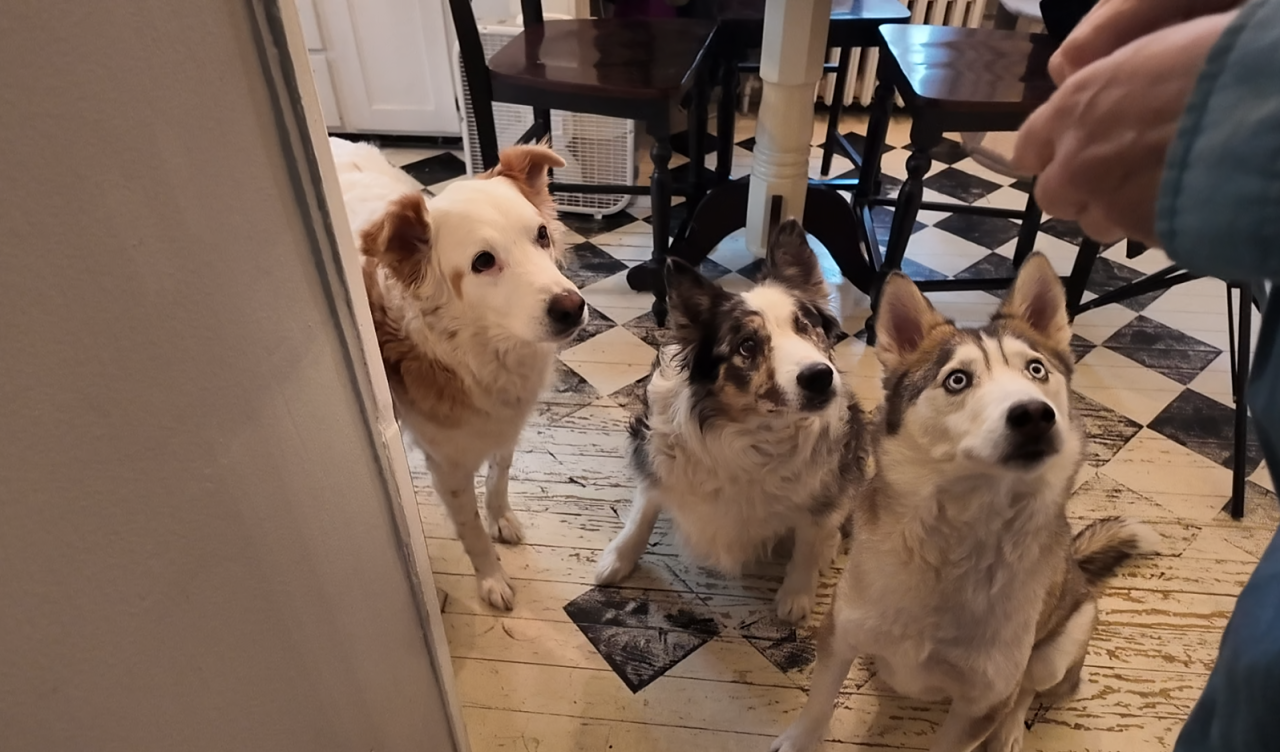
“It still really tastes like dirt and mold, really disgusting,” said Linssen.
Indiana American Water says the problem is due to MIB (2-methylisoborneol), which is a naturally occurring compound linked to algae activity in surface water sources like Prairie Creek Reservoir.
The water utility says it has taken numerous steps to improve the water quality, including treating the reservoir for algae and switching the distribution system to a different disinfectant.
But Victoria Linssen says it’s not helping much.
“The water still doesn't taste right, so I decided to do research online and invest my own money,” said Linssen.
Linssen gathered samples from her own faucet and sent them to an independent lab.
“I spent $1,000 of my own money,” said Linssen. “I am going to test the water myself.”
Linssen is concerned about the independent lab’s test results, which show small amounts of lead and PFAS compounds, also known as “forever chemicals”, in her drinking water.
“Those cause unbelievable amounts of health, health issues within people, and that concerned me deeply,” said Linssen.
- Two PFAS compounds (forever chemicals) detected— below reporting limits but still present.
- Lead detected at 0.00117 PPM (Parts Per Million) at backyard spigot—below the federal action level of .015 PPM.
WRTV Investigates shared Linssen’s lab results with the Environmental Working Group, a national nonprofit that focuses on public health, including clean drinking water.

“We're concerned about PFAS because very low exposure levels can still affect you,” said Tasha Stoiber, Senior Scientist at EWG. “It’s something to watch. Very small amounts can have effects on your immune system, other reproductive effects, and it’s linked to several different types of cancer, high cholesterol, and effects on your liver and kidneys.”
Stoiber said the lead in Linssen’s water is well below the EPA action level, but that doesn’t mean it’s safe.
“No amount of lead is safe when it comes to this contaminant, but that's the reality, is that there, there may be small amounts of it in our water, and that's why we do recommend filtering your drinking water,” said Stoiber.
Linssen’s test results also show low levels of nitrate in her water.
“If you have fertilizer runoff, that nitrate can then get also get into your drinking water source, so we're concerned about nitrate, because exposures to it over the long term can lead to increased risks of cancer in people,” said Stoiber.
WRTV Investigates reached out to Indiana American Water, which provided a statement.

“The results you shared showed the same conclusion: that Muncie’s drinking water continues to meet all state and federal drinking water standards and remains safe to drink,” read the statement. “While the results you shared appear to come from a qualified lab, Indiana American Water relies on its own internal testing protocols. Our sampling methods are designed to capture the full context needed to help ensure consistent, reliable results.”
Indiana American Water also emphasizes that the lead in Linssen’s water is “well below the EPA action level.”
Lead may be present inside or outside any home or residence, according to the utility.
Linssen said she flushed the water for five minutes before gathering a sample, and she’s concerned the issue is coming from the water source, not from her home.
Indiana American Water recommends that customers complete a survey to help determine whether their lead service line needs replacement (at no cost to customers).

The good news is the independent tests did not detect concerning bacteria like E. coli and Coliform.
- Microcystins — Not Detected.
- Cyanobacteria — Not Detected.
- E. coli / Coliform — Not Detected.
Still, Linssen is concerned enough about the smell and taste of the water, as well as the detection of lead and PFAS, that she filed complaints with the federal EPA and the Indiana Department of Environmental Management.
She was already using a reverse osmosis filter for her own drinking water. Once she got the results, she started using it for her dogs and cats as well.
“It’s kind of ironic I have to clean my dog’s water bowl with the dirty water before I add the clean water,” said Linssen.
Like many water customers, Linssen spends about $50/month on her water utility. She’s now considering spending even more money to get another reverse osmosis system for upstairs, an expense she says most people in Muncie can’t afford.
“Most people are just trying to survive and pay the groceries and keep their utilities on,” said Linssen.
WRTV Investigates contacted the Indiana Department of Environmental Management.
“Overall, the lab reports show that Muncie’s drinking water is currently meeting the Safe Drinking Water Act standards,” an IDEM spokesperson wrote in an email to WRTV. “There is no impact to public health based on the results provided.”

