



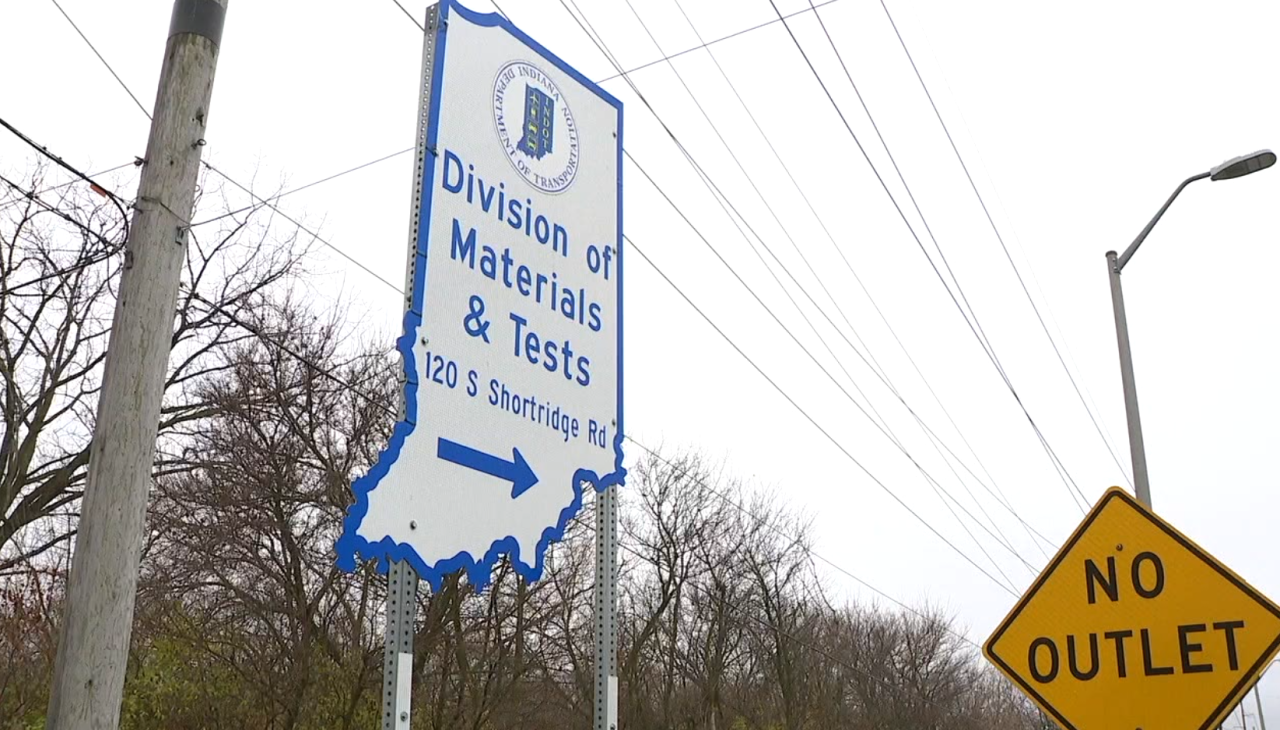
INDIANAPOLIS — On the east side of Indianapolis on Shortridge Road, sits INDOT’s Division of Materials and Tests.
Inside this 60,000-square-foot facility, technicians and engineers analyze the materials that go into our roads.
“We test materials that are used in highway construction, aggregates, asphalt, concrete, soil, steel, anything you can think of that’s used in roads and bridges,” said Matt Beeson, director at INDOT’s Division of Materials and Tests.
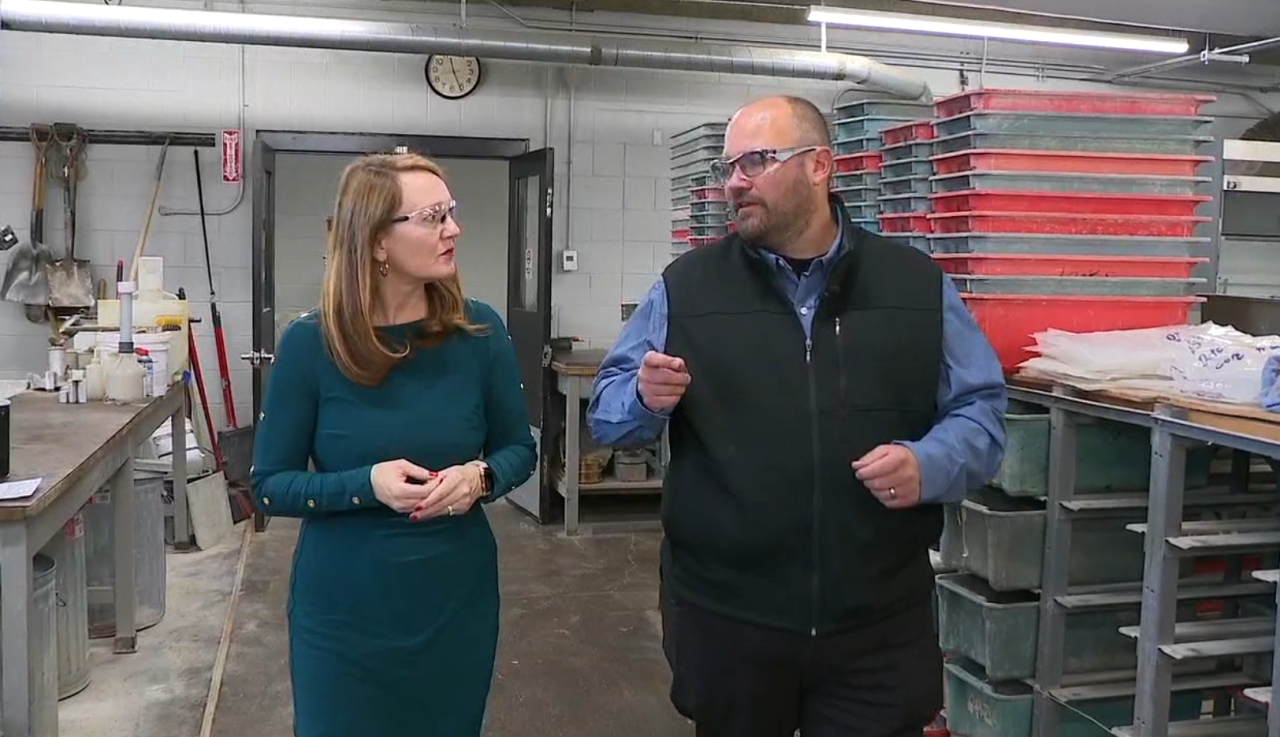
WRTV Investigates Kara Kenney asked INDOT to go inside the lab following her investigation, Concrete Cracking, which uncovered problems with concrete pavement in roads and bridges across the state of Indiana.
“We are seeing issues with performance and durability, some premature wear, scaling on some of these concrete structures,” said Natalie Garrett, INDOT spokesperson, told WRTV. “That’s something we are looking at in terms of additional testing and inspections.”
INDOT is studying what’s causing the issue, and says a newer type of cement is a factor.
It’s called Type 1L, or Portland Limestone cement.
Studies show it’s more environmentally friendly and reduces CO2 emissions, but experts say it’s softer and more porous compared to traditional cement.
At the lab, INDOT uses samples from job sites, places them into a machine that exerts force, and when the material breaks, the state gets important data.
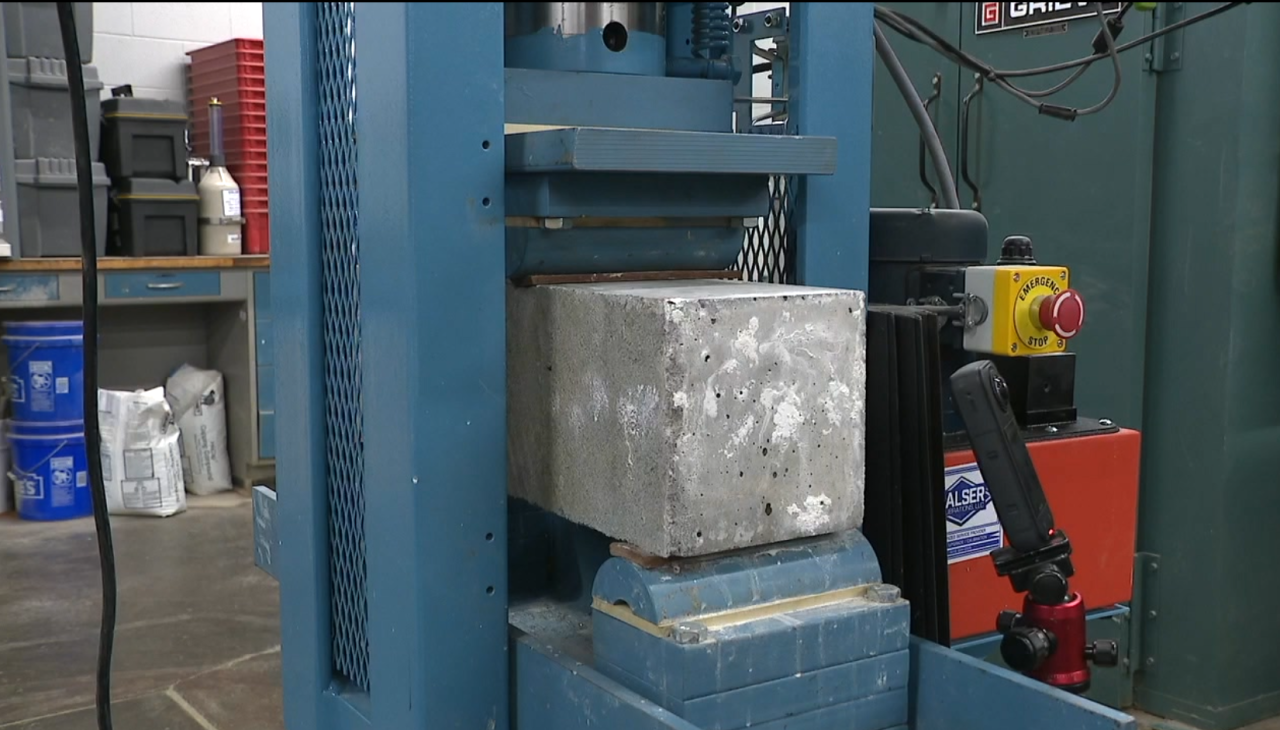
“It will give us a measure of the strength of the concrete and pounds per square inch,” said Beeson. “The lower the value, the less strong that material is and the higher the value, the more strength it has."
The tests can pull the concrete apart or push down on top of it.
“It’s simulating a load, so the weight of traffic going over the highway, the road, or the bridge,” said Beeson.
INDOT wants to make sure the materials are strong enough before letting you drive on it.
But it’s more than safety.
INDOT spends $2 billion a year on road construction.
The state does not make its own concrete. They get it from suppliers and contractors.
Beeson said the lab tests help make sure taxpayers are getting what they pay for.
“We are ensuring that what we’re specifying is what we are getting and that material is going to be durable and have good long-term performance,” said Beeson.
A May 9, 2025, letter from 11 Indiana lawmakers to the Legislative Council called the matter “urgent” and asked fellow lawmakers to study “increasing performance failures in concrete pavements.”
It also questioned the long-term durability of Type 1L cement, which has been the primary type of cement in Indiana since 2022.
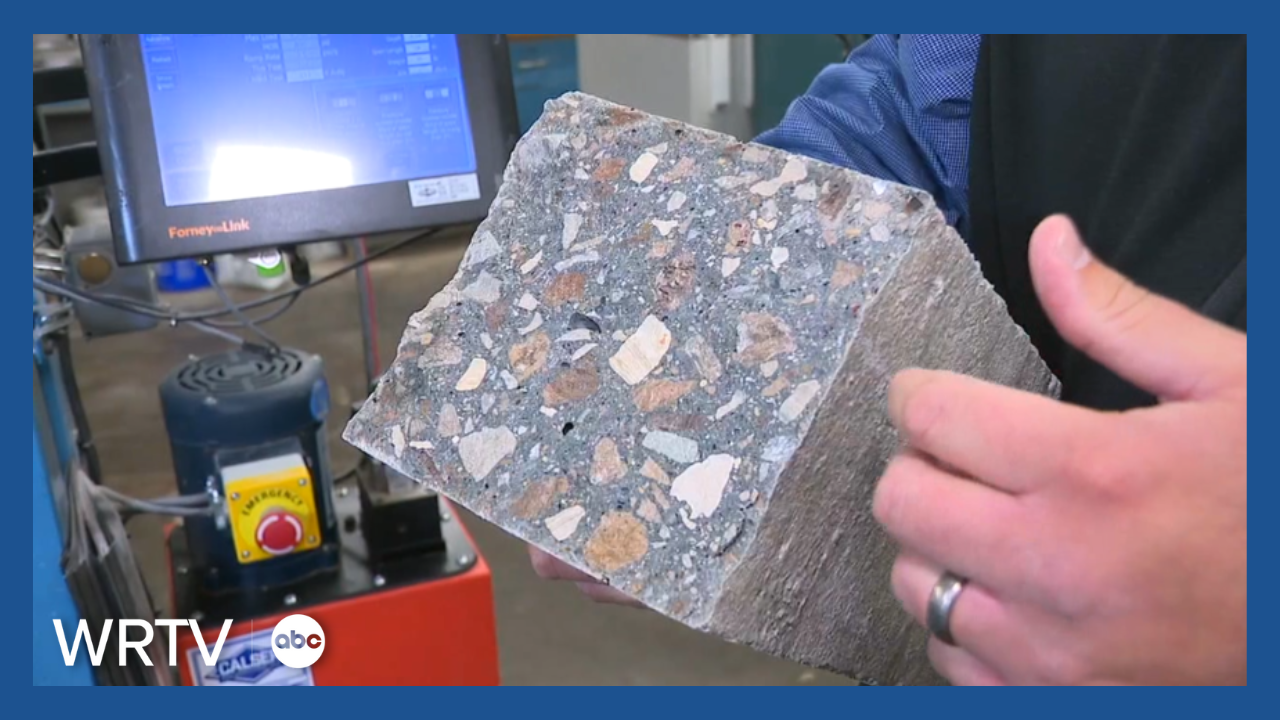
Cement is only one ingredient in concrete.
“These things right here are the aggregates, the rocks, which makes up the majority of what’s in concrete,” said Beeson. “The rest you see in between it is what’s called paste, which is a mixture of cement and water. That’s the glue that holds the aggregates together."
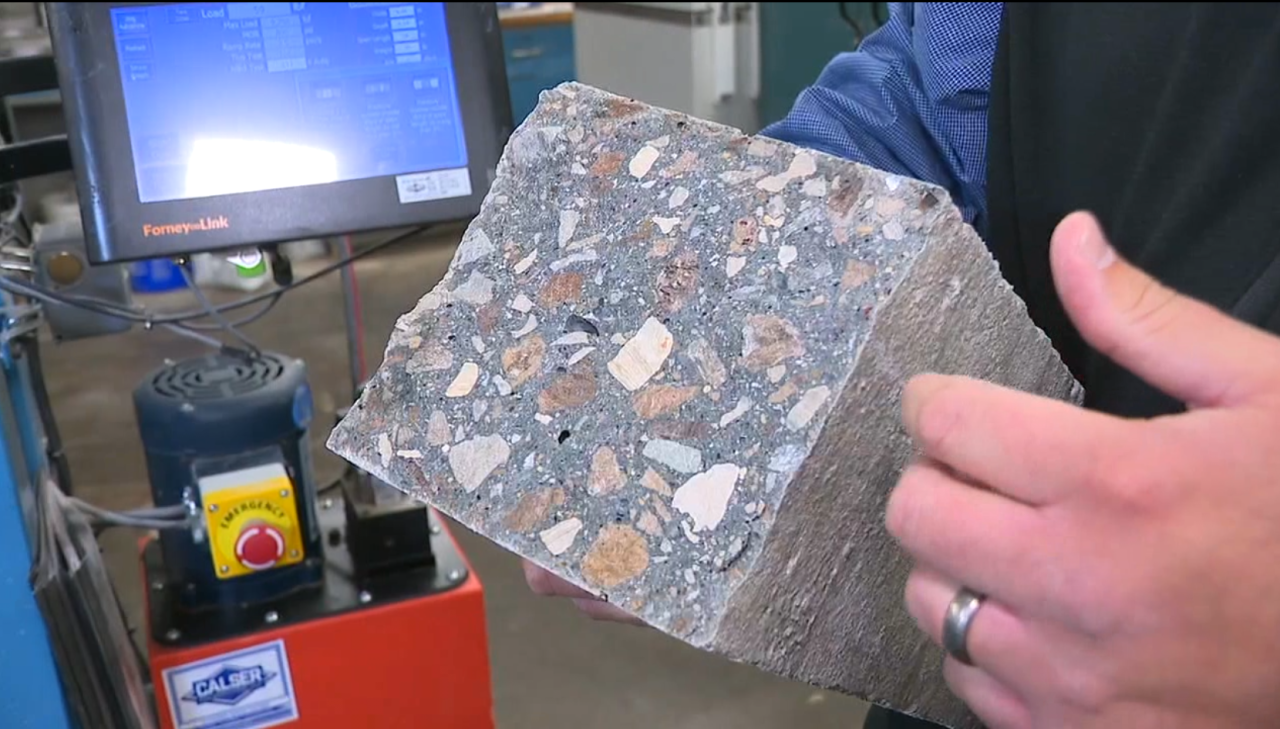
INDOT is also studying whether other factors are involved in the state’s cracking problems.
State Senator Mike Crider, R-Greenfield, looks forward to their findings.
"My confidence level is pretty high that they’re paying attention and they’re trying to figure out what the best step forward is,” said Crider.
Crider is the Chair of the Senate Committee for Homeland Security and Transportation.
He’s been aware of the concrete cracking issues for months.
"It’s something I’m concerned about; it’s something I’m paying attention to,” said Crider. “I think everybody acknowledges we aren’t getting the long-term results we hoped to get.”
Sen. Crider said while this is not a safety issue, it is a money issue because taxpayer-funded projects aren’t lasting as long as expected.
"People may not get a project in their neighborhood that they wanted because we had to do maintenance someplace else,” said Crider. “That’s the reality of the situation. There is no more money.”
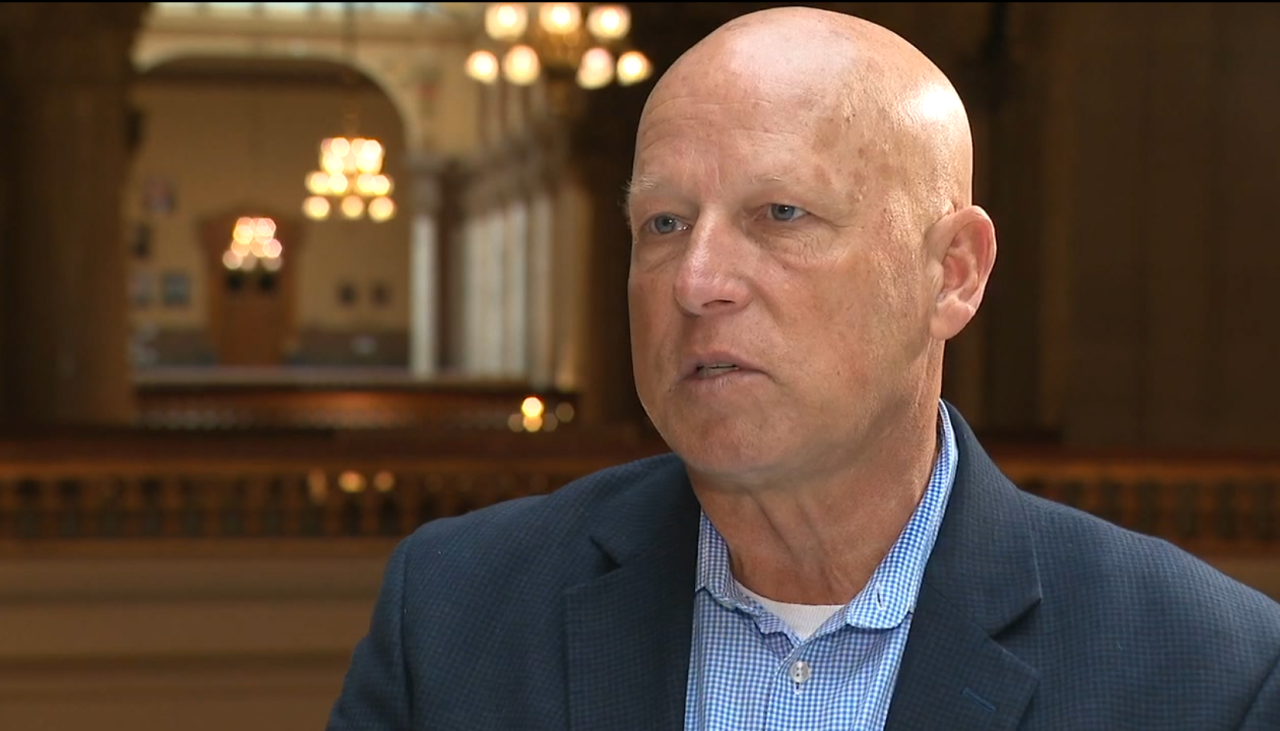
WRTV Investigates asked Sen. Crider if he can put a dollar figure on how much this problem might cost.
“No, not that I’m aware of,” said Crider.
Effective September 10, INDOT placed a 10% cap on limestone content in cement for state contracts.
The American Cement Association (ACA) disagrees with the change, calling it “arbitrary” and “knee jerk.”
They posted this brief on their website just days after our investigation, Concrete Cracking, aired.
The ACA represents cement producers across the country, including manufacturers in Indiana.
PREVIOUS | Cement industry responds to cracking concern
ACA disagrees with claims that a newer, more environmentally friendly type of cement is to blame for cracking and scaling on Indiana roads and bridges. “There’s nothing wrong with the product,” Rick Bohan, Senior VP of Cement at the American Cement Association, told WRTV Investigates. “It’s a solid product, and just like other cements we produce, we stand behind it.”
Cement is a key ingredient of concrete, typically making up 10-15% of the concrete mix by volume, according to the American Cement Association.

