


INDIANAPOLIS — It's Severe Weather Preparedness Week in Indiana, which means this is a good time to revisit your plans for when a storm hits.
Here's what you should know about thunderstorms, a common type of severe weather event.
Every thunderstorm produces lightning. So, all thunderstorms are dangerous.
The average, garden-variety, thunderstorm typically lasts about 30 to 45 minutes. They produce gusty winds, heavy rain and sometimes small hail.
Of all the thunderstorms that develop this spring and summer, only about 10% will become severe. Severe thunderstorms produce wind gusts of 58 mph and/or 1-inch diameter hail, which is the size of a quarter. Destructive thunderstorms can produce wind gusts of 80 mph and baseball size hail.
Supercell thunderstorms get special attention during severe weather coverage. They are the most likely to produce all forms of severe weather. The supercell is the monster truck of severe storms.
What makes this storm unique is the warm, moist, rotating updraft feeding the storm, which is separate from the heavy rain and cold downdraft of the storm. The storm is “balanced” and can go on for hours.
You can get alerts for approaching severe weather with WRTV's Storm Shield app. It’s free and serves as a weather radio for your phone.
-
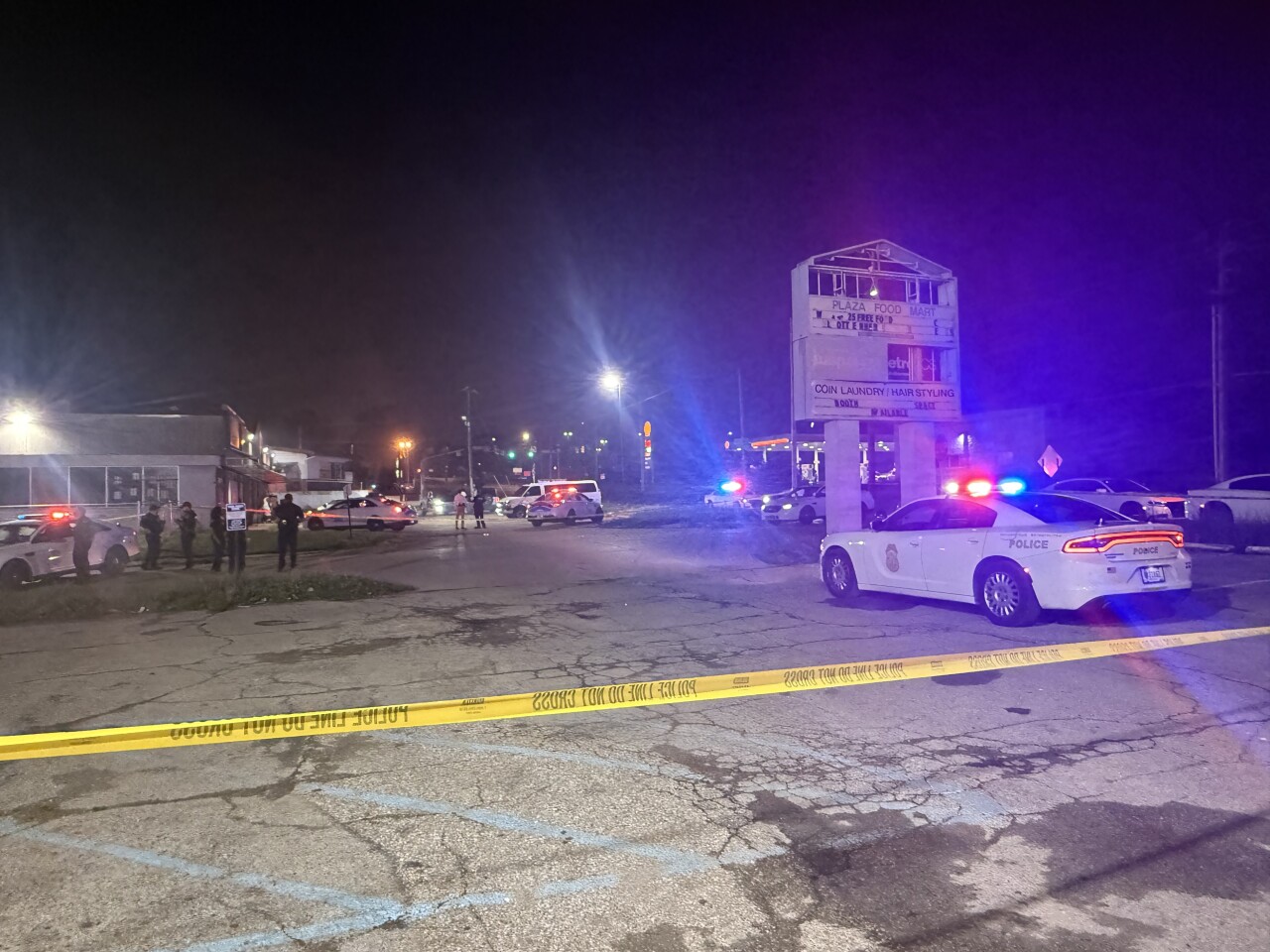
46-year-old man fatally shot on Indy's northeast side
The Indianapolis Metropolitan Police Department is investigating a fatal shooting on the northeast side of Indianapolis Sunday morning.
3 young people injured in shooting after Beech Grove fireworks
Beech Grove Police confirmed that three young people were injured, all with non-life-threatening injuries, in a shooting after the fireworks display Friday night.
Politics panel says court rulings have little effect in Indiana
Two members of Indiana’s best political team said they don’t expect the Supreme Court’s transgender athlete ruling to factor heavily into elections this fall.
Conner Prairie to host America 250 events, including Star Spangled Symphony
Friday and Saturday’s Fourth of July festivities include performances from the Symphony on the Prairie and many other activities to tell the history of the United States.


