




INDIANAPOLIS — We are learning more details about the moments leading up to the death of long-time Indianapolis taxi driver Abdukadir Filanwaa.
Filanwaa, 55, was pronounced dead at the scene by medics after they responded to a report of a person shot about 4 a.m. on Sept. 10 near 11th Street and New Jersey Street.
James Riley, 30, and Alysianna Martin, 29, are charged with murder for their alleged involvement.
According to court documents, video from inside the cab captures Riley and Martin entering the cab. Shortly after, Riley pulls a gun and places it against Filanwaa.
Filanwaa then begins driving to the location that Riley tells him, according to court documents.
Court documents allege, during the drive, Riley shows frustration with Filanwaa and asks him multiple times “Do you wanna die?”.
When the cab stops, Riley asks Filanwaa to turn off the cab lights. According to court docs, this is when Riley shoots Filanwaa multiple times.
After their arrest, Riley admitted to police that he shot Filanwaa because of a “misunderstanding”.
Martin is charged with murder, robbery and kidnapping.
Riley is charged with murder, robbery resulting in serious bodily injury, kidnapping and unlawful possession of a firearm by a serious violent felon.
-
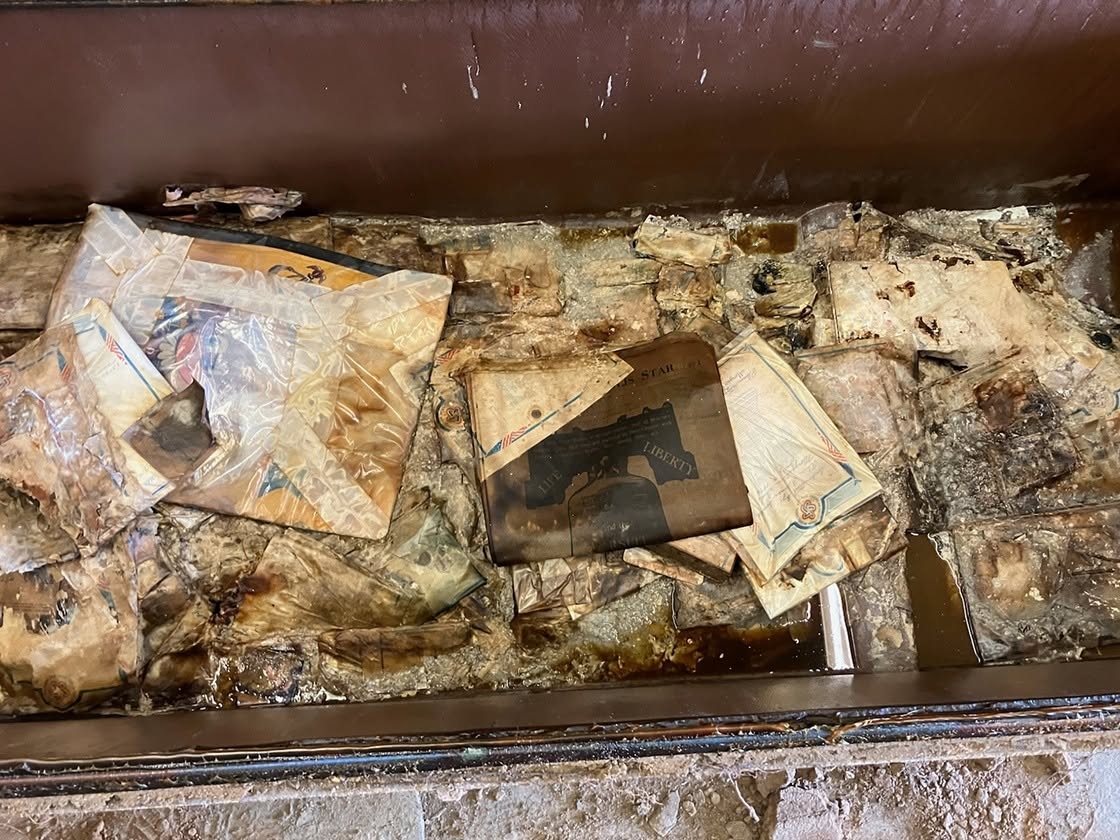
‘Nothing escaped’: Morgan County time capsule destroyed by water damage
A time capsule buried on the Morgan County courthouse lawn on July 4, 1976, and recently unearthed during renovation has suffered significant water damage that soaked everything inside.
ADVISORY: Extreme heat warning in place until Friday evening
An Extreme Heat Warning remains in effect until Friday evening across central Indiana. Tonight, expect clear skies with temperatures in the mid-70s.
Dog dies from extreme heat at IACS
An investigation is underway after a dog died at the Indianapolis Animal Care Services on Wednesday.
Gov. Braun extends gas tax suspension as Indiana hits cheapest gas in America
Governor Mike Braun announced Thursday he is extending his suspension of Indiana's gas taxes for an additional 30 days, as data shows Indiana has cheapest gas in the country.


