A Medicaid expansion that covers mothers for a year after birth has officially been made permanent. A temporary measure has been in effect since January, but recent federal approval ensures that an average of 12,000 Hoosier moms will have access to expanded coverage every year. According to the Kaiser Family Foundation, 39% of births in Indiana are covered by Medicaid.
"Indiana is known to have a maternal mortality crisis. We have the third highest maternal mortality rate in the country," State Rep. Maureen Bauer (D-South Bend) said.
Bauer co-authored the law that made the expansion permanent. She says the expansion was offered to the states as a part of the American Rescue Plan. That went into effect in January. The law making the change permanent passed unanimously, and the governor signed it into law in March. On Thursday, the U.S. Department of Health and Human Services approved the expansion, which also expands the Children's Health Insurance Program postpartum services.
"The only reason you aren't seeking care is because you can't afford it? That's tragic and that's something we just shouldn't allow to be acceptable in our state," Bauer said.
Federal approval comes in the midst of Maternal Suicide Awareness Week, a campaign from 20/20 Mom that calls attention to the prevalence of maternal suicide. Local activist Tieree Reid founded her non-profit, Shades of Becoming a Mom (SB Mom) last year. The non-profit focuses on Black Maternal Health and support for mothers who have experienced pregnancy loss.
"I actually personally suffered with postpartum depression. I had a very traumatic birthing experience. Although I didn't have suicidal ideation, having that extra support from a medical professional really does help," she said.
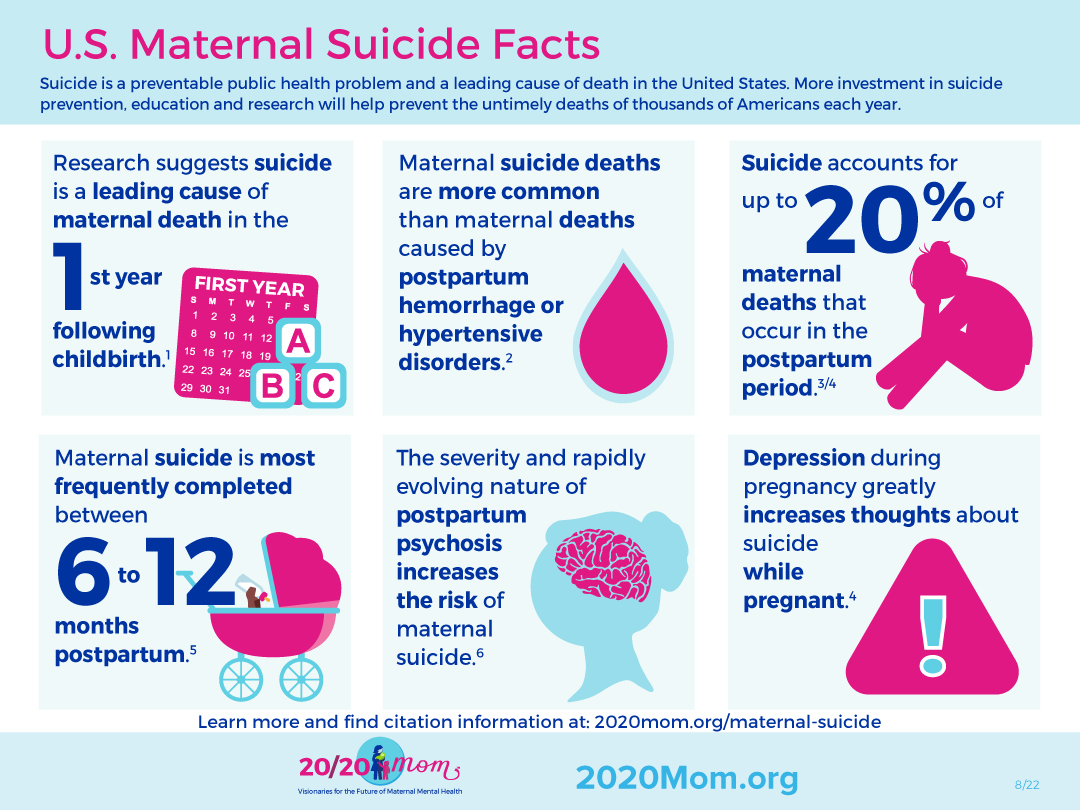
Data on maternal suicide isn't officially tracked, but 20/20 Mom's research suggests that suicide may be one of the leading causes of death in the first year after childbirth. The group also says that most of those suicides are completed 6-12 months after giving birth.
"That's what's so great. We're providing access to services when they are needed," Reid said.
Indiana is one of the worst states for maternal mortality. The state's Maternal Mortality Review Committee deemed 87% of Indiana's reviewed pregnancy-associated deaths were preventable in 2018. Bauer and Reid both believe the insurance expansion will help keep mothers alive, but there is still work to be done.
"We have the ability to prevent unwanted pregnancies, to expand sex education, and expand access to contraception," said Bauer. "There's a lot of opportunities to look forward to next session."
For Reid, she's advocating that Medicaid is further expanded to cover doula services. She hopes insurance providers are required to provide the services in the future.
"Doula support, covered through insurance, is something we absolutely need to do," Reid said.
For now, the Medicaid and CHIP expansion is a major win for women's health advocates.
"There are so many great benefits beyond just the mom being alive. We have a healthy baby with a healthy mom who is making it past that first year of life with mom as well," Reid said.
-

Extreme heat and humidity continues through the end of the week
The extreme heat warning has been extended for another day as temperatures continue to soar into the 90s. Another hot and humid afternoon.
DNR accepting art and photo submissions for hard card licenses
Calling all artists! The Indiana Department of Natural Resources is accepting art and photo submissions to use for the hard-card licenses for hunting, fishing, and trapping.
Indianapolis leaders provide public safety update ahead of Fourth Fest
Nearly 25,000 Central Indiana residents are expected to attend Fourth Fest, the city’s July Fourth celebration, in downtown Indianapolis, featuring live music, food and a fireworks show.
Cellphone ban and child protection laws take effect in Indiana
An all-day school cellphone ban and new reporting requirements for child abuse cases top the list of new state laws that take effect Wednesday.