


Slippery Noodle Inn to now operate as a 21-and-over business
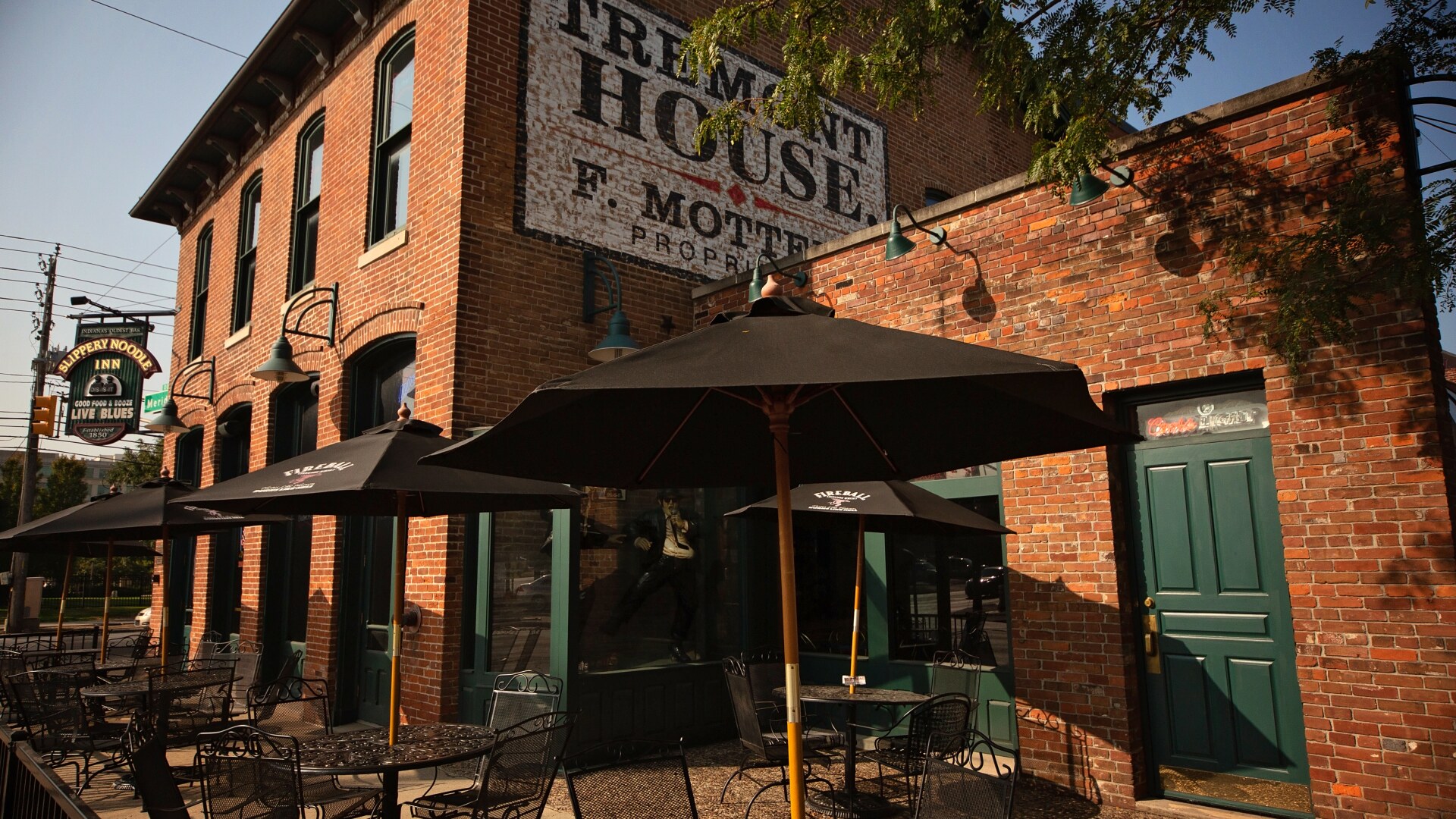
INDIANAPOLIS — The Slippery Noodle Inn will be implementing a new business model.
The bar announced that it will be operating as a 21-and-over business moving forward.
The business has a diner side and a bar side, so minors were able to enter the bar before 8 p.m. daily for dining.
However, according to a social media post, the previous owners of the bar did not obtain the proper approvals to operate as an all-ages dining establishment.
This news comes two weeks after Jason Amonett and Sean Lothridge took ownership from previous owners, who had owned the bar since 1985.
“We would like to thank everyone for the amazing support during our first two weeks of owning the iconic Slippery Noodle Inn. The support and patronage have been overwhelmingly positive,” Amonett and Lothridge said.
The building is Indianapolis’ oldest continually operating bar. The bar’s history dates back to the 1850s.
During the 1860s and the Civil War, the building was a station for the Underground Railroad.
In recent years under the ownership of Hal and Carol Yeagy, the Slippery Noodle has become of one the country’s premiere blues clubs. Artists such as Buddy Guy, Gregg Allman and Gene Deer have all graced the business.
