


INDIANAPOLIS — It's Severe Weather Preparedness Week in Indiana, which means this is a good time to revisit your plans for when a storm hits.
Here's what you should know about thunderstorms, a common type of severe weather event.
Every thunderstorm produces lightning. So, all thunderstorms are dangerous.
The average, garden-variety, thunderstorm typically lasts about 30 to 45 minutes. They produce gusty winds, heavy rain and sometimes small hail.
Of all the thunderstorms that develop this spring and summer, only about 10% will become severe. Severe thunderstorms produce wind gusts of 58 mph and/or 1-inch diameter hail, which is the size of a quarter. Destructive thunderstorms can produce wind gusts of 80 mph and baseball size hail.
Supercell thunderstorms get special attention during severe weather coverage. They are the most likely to produce all forms of severe weather. The supercell is the monster truck of severe storms.
What makes this storm unique is the warm, moist, rotating updraft feeding the storm, which is separate from the heavy rain and cold downdraft of the storm. The storm is “balanced” and can go on for hours.
You can get alerts for approaching severe weather with WRTV's Storm Shield app. It’s free and serves as a weather radio for your phone.
-

Indiana auto systems maker to shut down Terre Haute plant, cut 207 jobs
Auto system maker ThyssenKrupp Presta North America is closing its Terre Haute manufacturing facility, permanently eliminating 207 jobs over the next nine months.
Tips to keep your pets’ tail wagging during the Indiana heatwave
If it’s hot and uncomfortable for us, it is for them, too. Keeping your pets cool and safe amid the Indiana heatwave is just as important as keeping ourselves cool.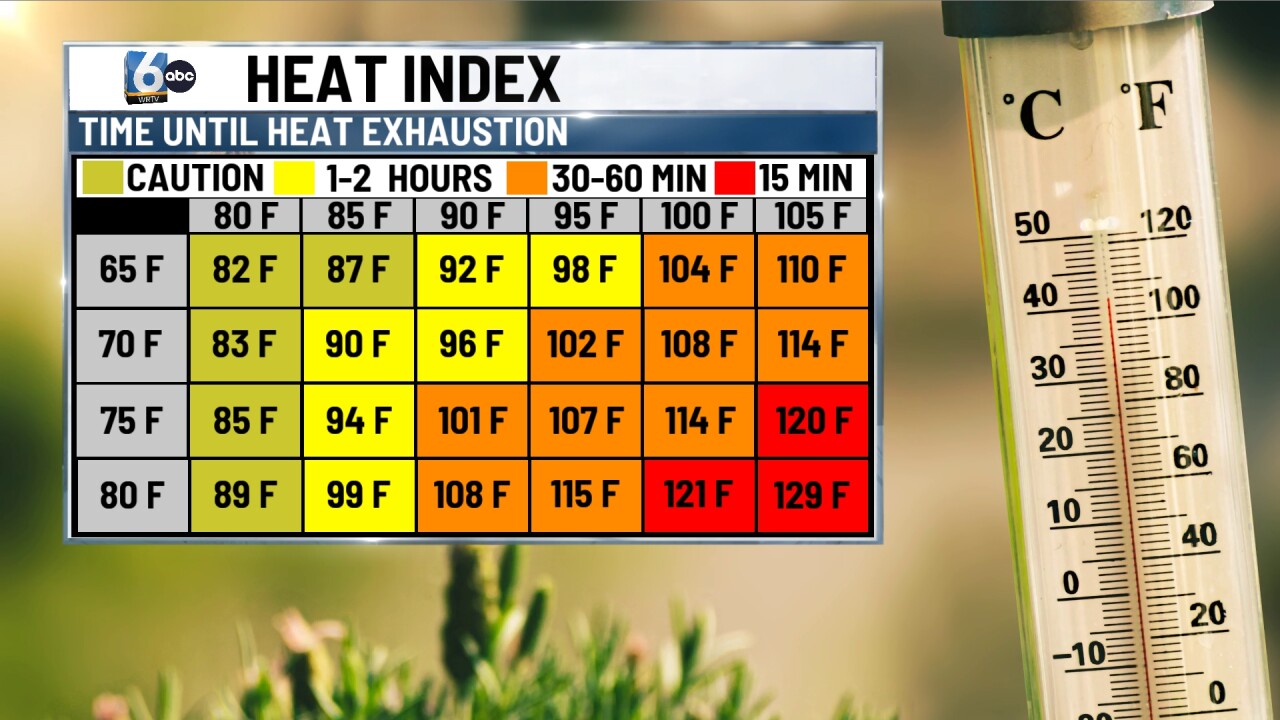
Dangerous heat across central Indiana
High heat and high humidity will continue through the rest of the week. Don’t expect much relief from the heat as overnight lows will only dip into the low 70s.
HVAC experts share tips to maximize air conditioner efficiency during heatwave
As the temperatures climb, so can the strain on your air conditioner. Experts say a few simple steps can help your system operate more efficiently and keep your home cooler.


