


INDIANAPOLIS — Two years into the COVID-19 pandemic, some people may still be dealing with long-term symptoms of COVID-19, also known as long COVID.
Dr. Christopher Belcher, the medical director for infection prevention and a pediatric infectious disease doctor at Ascension St. Vincent Hospital Indianapolis, said he and others are still learning about COVID-19 and its long-term effects.
He said the COVID-19 pandemic has been like nothing he has experienced before and still has had to learn a lot.
"As an infectious disease doc, though, you had to learn very quickly, you have to be very adaptable," he said. "We learned about this disease and how it affects children and adults, we learned about the after effects, we learned about new vaccines, but learned about new medicines."
What is long COVID?
Some people diagnosed with COVID-19 get better within weeks, but some deal with symptoms for much longer, according to the Center for Disease Control and Prevention. The condition is also known as long COVID, long-haul COVID or long COVID syndrome.
"Although most people with COVID-19 get better within weeks of illness, some people experience post-COVID conditions," a post on the CDC's website read. "Post-COVID conditions are a wide range of new, returning, or ongoing health problems people can experience four or more weeks after first being infected with the virus that causes COVID-19. Even people who did not have COVID-19 symptoms in the days or weeks after they were infected can have post-COVID conditions. These conditions can present as different types and combinations of health problems for different lengths of time."
But Belcher said people are still trying to figure out what exactly long COVID is. He described it like a box of tangled Christmas lights people are still trying to figure out how to untangle.
What are the symptoms of long COVID?
Belcher said the symptoms of long COVID can be a mix of several things. They are considered symptoms of long COVID if they do not go away or get better within one or two months.
Some of the symptoms of long COVID include:
- Fatigue
- Brain fog
- Difficulty concentrating
- Shortness of breath
- Palpitations
- Feeling an irregular heartbeat
- Low-grade fever
- Rashes
- Achy joints
He said some people may have mild symptoms and are able to get over it quickly. Others may have the symptoms for a longer time.
How widespread are the long-term effects?
Because some people might have milder symptoms and may not see a doctor or report them, it's hard to know just how widespread long COVID is, Belcher said.
He also said some people might attribute their long COVID symptoms to something else, like stress at work.
"Generally for most of these symptoms, if they're kind of mild things, and they're not bothersome, that's ok," Belcher said. "Things like shortness of breath, chest pain, sometimes the heart symptoms are something you definitely want to get checked out. You don't blow those off."
People who are interested in learning more about their long COVID symptoms should look for and participate in a study, Belcher said.
Those who are interested in participating in a study can search for one online, he said. People should look at who is sponsoring the study and make sure checks out.
Belcher said the study and care during the study should also not cost participants anything.
What are the long-term effects of COVID for kids? MIS-C?
Just like with adults, kids being fully vaccinated against COVID-19 does decrease the risk of developing long COVID symptoms, Belcher said. Still, some kids, specifically those under the age of 5, aren't eligible to get vaccinated.
Many of the long COVID symptoms kids experience are similar to those of adults, like problems with fatigue, concentration and memory.
"It's a pediatric issue that we deal with frequently, younger children just aren't good at telling you how they feel and what's wrong," Belcher said. "So you may see them napping extra, but you might see irritability, you might see frustration or acting out at school, because they're not getting it, they're having trouble and they're frustrated, they can't think things through."
He said a lot of these symptoms are visible but some aren't and it can make it harder to understand what's going on.
Some children who are also diagnosed with MIS-C, a condition some children have about a month after they have COVID-19 that inflames the immune system, typically don't deal with symptoms for very long.
"Problem is, there's no way to speed this up to tell you more than how they do for a year and a half or so since we recognize this and the syndrome of almost two years ago," Belcher said. "Now, you can't speed it up and say what life's gonna be like in five or 10 years for them."
He said research is still ongoing.
Parents should identify if they, their child, or someone in their home had COVID-19 and monitor their child about a month later, Belcher said. If the child has a fever that isn't explained, they should contact their child's doctor.
-
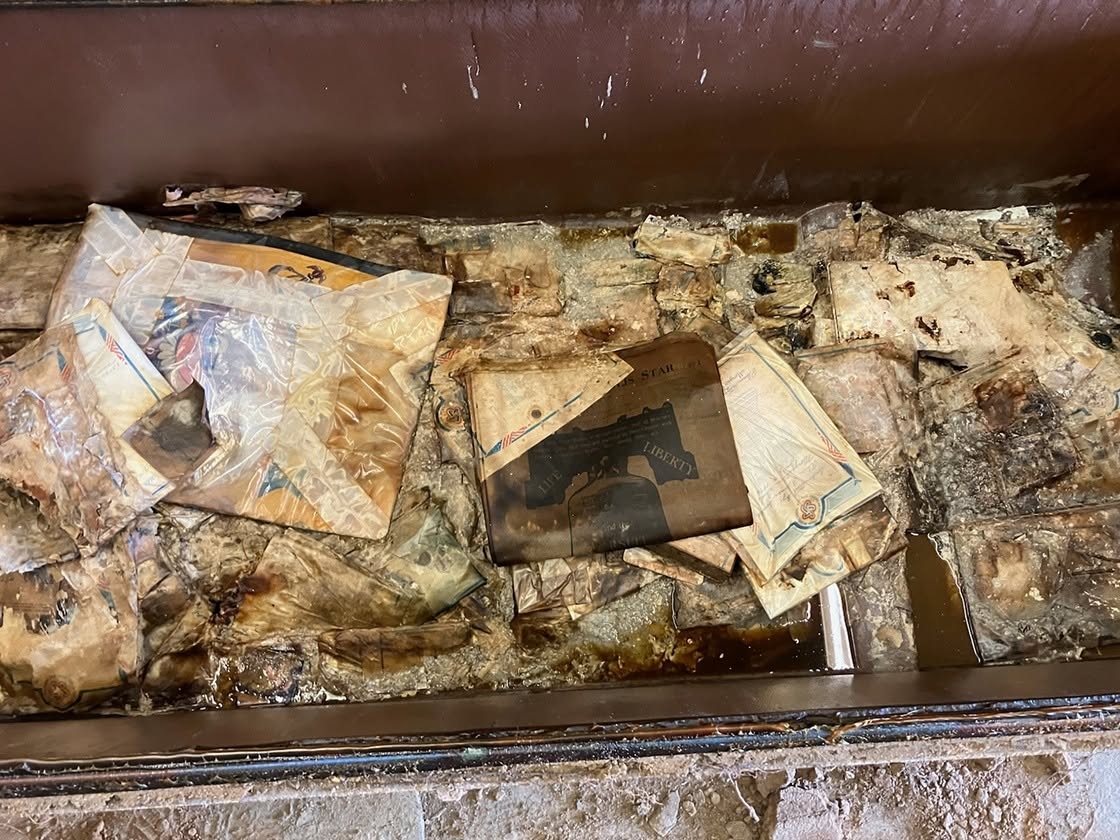
‘Nothing escaped’: Morgan County time capsule destroyed by water damage
A time capsule buried on the Morgan County courthouse lawn on July 4, 1976, and recently unearthed during renovation has suffered significant water damage that soaked everything inside.
ADVISORY: Extreme heat warning in place until Friday evening
An Extreme Heat Warning remains in effect until Friday evening across central Indiana. Tonight, expect clear skies with temperatures in the mid-70s.
Dog dies from extreme heat at IACS
An investigation is underway after a dog died at the Indianapolis Animal Care Services on Wednesday.
Gov. Braun extends gas tax suspension as Indiana hits cheapest gas in America
Governor Mike Braun announced Thursday he is extending his suspension of Indiana's gas taxes for an additional 30 days, as data shows Indiana has cheapest gas in the country.


